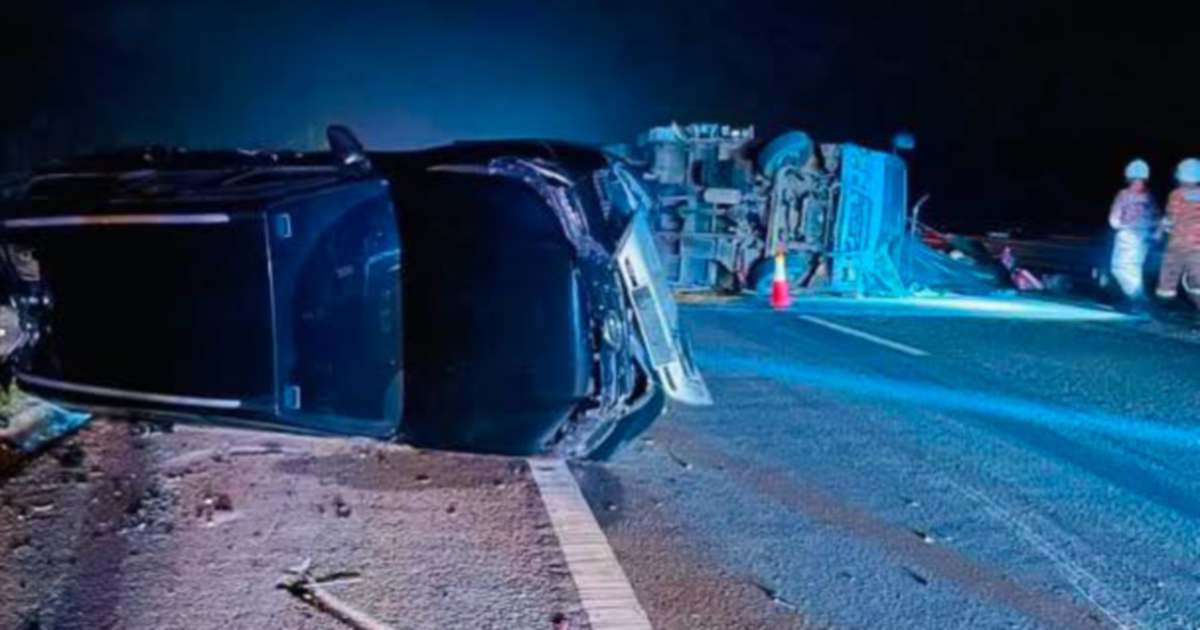
A routine commute turned chaotic on the East Coast Expressway near Maran early this morning when three vehicles collided at the 144-kilometre marker, leaving seven people injured. Among those hurt were three media officers assigned to cover activities and statements for Deputy Prime Minister Datuk Seri Dr Ahmad Zahid Hamidi. Though the incident could have resulted in far graver consequences on the busy expressway corridor, all three officers avoided injuries classified as serious by emergency responders at the scene.
The East Coast Expressway remains one of Malaysia's critical infrastructure arteries, connecting Kuala Lumpur with the east coast states and handling substantial daily traffic volumes. Accidents along this route regularly draw attention given the speed and congestion that characterise peak travel periods. The involvement of officials from the Deputy Prime Minister's communications team underscores how road incidents can affect government operations and the machinery of public administration, even when their safety is ultimately preserved.
Multi-vehicle accidents on expressways present compounded hazards because initial impact forces often trigger cascading collisions as following vehicles cannot brake in time or swerve safely to avoid debris and disabled vehicles. The three-vehicle nature of this incident suggests a chain-reaction scenario, though official investigations would determine the precise sequence of events and any contributing factors such as weather, visibility, vehicle defects, or driver error.
Road safety remains a persistent challenge across Malaysia's expressway network. Annual statistics consistently reveal that expressways account for a disproportionate share of fatalities and severe injuries relative to their share of total road kilometres, owing to higher speeds and the concentration of commercial traffic. The survival of occupants in this morning's collision likely reflected a combination of luck, proper vehicle safety features such as airbags and crumple zones, and adequate emergency response once the incident was reported.
The presence of media personnel in government vehicles reflects the standard practice of maintaining communications staff within protective details of senior officials. These officers document public engagements, coordinate press statements, and ensure timely dissemination of information to media organisations. Their regular movement across the country, particularly on expressways during inter-city official visits, exposes them to the same traffic risks faced by ordinary motorists, despite their government roles.
Immediate response by emergency services appeared effective, with injured persons attended to and transported for medical assessment. The Maran area, located in Pahang, has access to several medical facilities capable of managing trauma cases, including government hospitals and private medical centres. Early treatment of accident victims significantly influences outcomes, and responders' swift mobilisation likely prevented deterioration in the condition of those affected.
The incident raises broader questions about expressway safety protocols and driver behaviour. Malaysian authorities have periodically launched campaigns emphasising safe driving practices, adequate spacing between vehicles, and vigilance during long-distance travel. Fatigue, distraction, and excessive speed remain leading contributors to expressway accidents, and enforcement of speed limits and vehicle standards has been a focus for road safety agencies.
Government officials and their support staff face unique considerations regarding safety and mobility. High-profile movements often attract public attention, yet the individuals involved remain subject to identical traffic laws and hazards as all road users. This morning's incident illustrates that protective measures, security arrangements, and official status confer no immunity from accidents caused by unpredictable traffic situations.
The investigation into the collision will likely examine several factors: visibility conditions at the time, speed of vehicles involved, spacing and reaction times of drivers, road surface conditions, and any mechanical issues with the vehicles. Such detailed reconstruction helps authorities identify whether the incident resulted from human error amenable to behavioural intervention or from systemic factors such as inadequate road signage, unclear lane markings, or infrastructure limitations.
For the Deputy Prime Minister's office, the incident highlights the importance of maintaining robust communication with media even when unforeseen events disrupt planned activities. Government communications teams must balance media engagement with operational continuity, particularly when staff are injured in accidents during the course of their duties. While the officers' escape from serious injury averts a more severe crisis affecting government communications capacity, the incident itself serves as a reminder of occupational hazards that professional support staff routinely navigate.
The expressway authorities and traffic police will typically issue statements following such incidents, providing details on the causes identified and any measures implemented to prevent recurrence at that location. Public communication about the accident also serves a deterrent function, reminding drivers of the consequences of unsafe road behaviour and emphasising compliance with traffic regulations.
As Malaysia continues to expand its expressway network and traffic volumes increase, maintaining and improving safety standards remains essential. Incidents involving government officials' staff receive heightened visibility, but the underlying road safety challenge affects all road users. Today's accident near Maran, fortuitously without fatalities or permanently disabling injuries, nonetheless underscores why continued investment in driver education, enforcement, and infrastructure improvements remains justified on the East Coast Expressway and similar major routes across the country.
%22%2F%3E%3C%2Fpattern%3E%3C%2Fdefs%3E%3Crect%20width%3D%22100%25%22%20height%3D%22100%25%22%20fill%3D%22url(%23ph2q7d8g)%22%2F%3E%3Crect%20width%3D%22100%25%22%20height%3D%22100%25%22%20fill%3D%22url(%23ph2q7d8p)%22%2F%3E%3Ctext%20x%3D%2250%25%22%20y%3D%2250%25%22%20text-anchor%3D%22middle%22%20dominant-baseline%3D%22central%22%20fill%3D%22rgba(255%2C255%2C255%2C0.95)%22%20font-family%3D%22Georgia%2C%20'Times%20New%20Roman'%2C%20serif%22%20font-weight%3D%22700%22%20font-size%3D%22226%22%20letter-spacing%3D%22-0.02em%22%3EPolice%3C%2Ftext%3E%3C%2Fsvg%3E)
%22%2F%3E%3C%2Fpattern%3E%3C%2Fdefs%3E%3Crect%20width%3D%22100%25%22%20height%3D%22100%25%22%20fill%3D%22url(%23ph44ngzg)%22%2F%3E%3Crect%20width%3D%22100%25%22%20height%3D%22100%25%22%20fill%3D%22url(%23ph44ngzp)%22%2F%3E%3Ctext%20x%3D%2250%25%22%20y%3D%2250%25%22%20text-anchor%3D%22middle%22%20dominant-baseline%3D%22central%22%20fill%3D%22rgba(255%2C255%2C255%2C0.95)%22%20font-family%3D%22Georgia%2C%20'Times%20New%20Roman'%2C%20serif%22%20font-weight%3D%22700%22%20font-size%3D%22226%22%20letter-spacing%3D%22-0.02em%22%3ETengku%3C%2Ftext%3E%3C%2Fsvg%3E)
%22%2F%3E%3C%2Fpattern%3E%3C%2Fdefs%3E%3Crect%20width%3D%22100%25%22%20height%3D%22100%25%22%20fill%3D%22url(%23ph1f5wfg)%22%2F%3E%3Crect%20width%3D%22100%25%22%20height%3D%22100%25%22%20fill%3D%22url(%23ph1f5wfp)%22%2F%3E%3Ctext%20x%3D%2250%25%22%20y%3D%2250%25%22%20text-anchor%3D%22middle%22%20dominant-baseline%3D%22central%22%20fill%3D%22rgba(255%2C255%2C255%2C0.95)%22%20font-family%3D%22Georgia%2C%20'Times%20New%20Roman'%2C%20serif%22%20font-weight%3D%22700%22%20font-size%3D%22194%22%20letter-spacing%3D%22-0.02em%22%3ECabinet%3C%2Ftext%3E%3C%2Fsvg%3E)