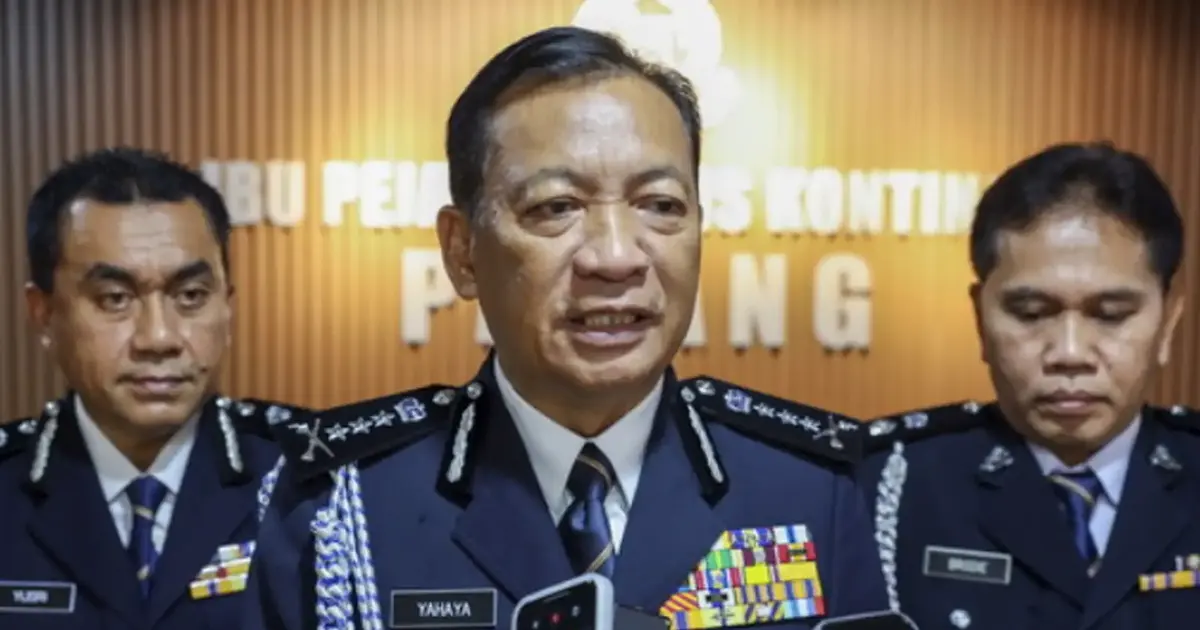
The investigation into a fraudulent medical certificates operation has expanded significantly, with Pahang police chief Yahaya Othman confirming the arrest of four more individuals connected to the scheme. The development comes as authorities intensify their crackdown on document forgery networks that have been supplying false medical documentation to the public.
Simultaneously, five suspects who were apprehended earlier in the week have been released from remand custody following their questioning. The staggered release of these individuals suggests that investigators may have differentiated between those playing central roles in the forgery operation and those with more peripheral involvement. This distinction in handling reflects standard police procedure in complex fraud investigations where establishing degrees of culpability becomes crucial for prosecution.
The forged medical certificates case represents a growing concern within Malaysia's healthcare and administrative systems. False medical documentation undermines workplace integrity, insurance processes, and government services that legitimately rely on authentic medical validation. When individuals can easily obtain fraudulent certificates claiming illness or incapacity, it creates cascading problems—from employers unable to manage genuine workforce absences to government agencies processing fraudulent benefit claims.
Pahang, being a state with significant commercial activity and a substantial workforce, has become a focal point for this particular investigation. The geographic concentration of arrests in this region suggests that the forgery ring may have operated from a central location or maintained coordinated distribution networks across the state. Understanding the territorial scope of such operations helps authorities identify additional distribution points and supply chains that may require further investigation.
The release of five detainees indicates that the police investigation team possessed sufficient evidence to justify initial arrests but determined that extended remand was unnecessary for those particular individuals. This could mean they cooperated with authorities, provided valuable testimony, or were identified as unwilling participants manipulated by more culpable figures within the network. In Malaysian criminal procedure, remand decisions balance the need to further investigate suspects against the constitutional right to liberty, with police required to justify extensions before a magistrate.
The timing of announcing both the fresh arrests and releases simultaneously serves multiple purposes for law enforcement. It demonstrates active investigative momentum to the public while managing perceptions of fairness in the criminal justice system. The message conveyed is one of proportionate responses—those with greater responsibility face continued detention and investigation, while those with lesser involvement proceed through the system with appropriate leniency.
Document forgery syndicates typically operate with clear hierarchical structures. At the apex sit individuals with access to legitimate medical documentation systems or sophisticated printing equipment. Below them work distributors who connect end-users with forged documents, operating as intermediaries between the producers and consumers. The consumers themselves—individuals seeking false certificates—represent a significant but often prosecuted segment. Police emphasis on dismantling the supply side rather than solely pursuing end-users reflects modern law enforcement strategy focusing on organised crime disruption.
The implications for Southeast Asian readers extend beyond Pahang's borders. Medical certificate fraud represents a regional challenge, with cross-border implications given the mobility of labour and commerce throughout the Association of Southeast Asian Nations. Criminal networks frequently exploit jurisdictional boundaries, conducting forgery operations in one country whilst distributing documents across multiple regional markets. Malaysia's proactive stance in investigating and prosecuting such cases contributes to broader regional efforts against document crime.
For Malaysian employers and institutions, this investigation underscores the importance of implementing verification protocols when receiving medical certificates. Many organisations have begun mandating direct contact with issuing medical facilities rather than relying solely on submitted documentation. Government agencies similarly now employ multi-layered verification systems that cross-reference medical claims against authentic healthcare provider records, making bulk forgery schemes increasingly difficult to sustain profitably.
Yahaya Othman's public disclosure of arrest numbers and remand decisions maintains transparency in the investigative process whilst protecting the integrity of ongoing inquiries. Pahang police have demonstrated commitment to combating document fraud through sustained enforcement, particularly relevant given the state's economic significance and the frequency with which fraudulent medical certificates facilitate other crimes including workplace misconduct, insurance fraud, and benefit claim manipulation.
As the investigation progresses, authorities will likely focus on identifying the document producers themselves—those with technical capability to replicate medical institution letterheads, security features, and authorisation signatures. This upstream targeting addresses root causes rather than merely addressing symptom-level fraud. The scale of the operation, evident from the number of arrests, suggests the forged certificates may have penetrated legitimate institutional channels extensively, necessitating both reactive prosecution and proactive institutional security improvements across healthcare and administrative sectors throughout the state.
%22%2F%3E%3C%2Fpattern%3E%3C%2Fdefs%3E%3Crect%20width%3D%22100%25%22%20height%3D%22100%25%22%20fill%3D%22url(%23ph4ydocg)%22%2F%3E%3Crect%20width%3D%22100%25%22%20height%3D%22100%25%22%20fill%3D%22url(%23ph4ydocp)%22%2F%3E%3Ctext%20x%3D%2250%25%22%20y%3D%2250%25%22%20text-anchor%3D%22middle%22%20dominant-baseline%3D%22central%22%20fill%3D%22rgba(255%2C255%2C255%2C0.95)%22%20font-family%3D%22Georgia%2C%20'Times%20New%20Roman'%2C%20serif%22%20font-weight%3D%22700%22%20font-size%3D%22320%22%20letter-spacing%3D%22-0.02em%22%3EPKR%3C%2Ftext%3E%3C%2Fsvg%3E)
%22%2F%3E%3C%2Fpattern%3E%3C%2Fdefs%3E%3Crect%20width%3D%22100%25%22%20height%3D%22100%25%22%20fill%3D%22url(%23ph6cu2g)%22%2F%3E%3Crect%20width%3D%22100%25%22%20height%3D%22100%25%22%20fill%3D%22url(%23ph6cu2p)%22%2F%3E%3Ctext%20x%3D%2250%25%22%20y%3D%2250%25%22%20text-anchor%3D%22middle%22%20dominant-baseline%3D%22central%22%20fill%3D%22rgba(255%2C255%2C255%2C0.95)%22%20font-family%3D%22Georgia%2C%20'Times%20New%20Roman'%2C%20serif%22%20font-weight%3D%22700%22%20font-size%3D%22320%22%20letter-spacing%3D%22-0.02em%22%3EUS%3C%2Ftext%3E%3C%2Fsvg%3E)
%22%2F%3E%3C%2Fpattern%3E%3C%2Fdefs%3E%3Crect%20width%3D%22100%25%22%20height%3D%22100%25%22%20fill%3D%22url(%23phnr15g)%22%2F%3E%3Crect%20width%3D%22100%25%22%20height%3D%22100%25%22%20fill%3D%22url(%23phnr15p)%22%2F%3E%3Ctext%20x%3D%2250%25%22%20y%3D%2250%25%22%20text-anchor%3D%22middle%22%20dominant-baseline%3D%22central%22%20fill%3D%22rgba(255%2C255%2C255%2C0.95)%22%20font-family%3D%22Georgia%2C%20'Times%20New%20Roman'%2C%20serif%22%20font-weight%3D%22700%22%20font-size%3D%22320%22%20letter-spacing%3D%22-0.02em%22%3EPAS%3C%2Ftext%3E%3C%2Fsvg%3E)