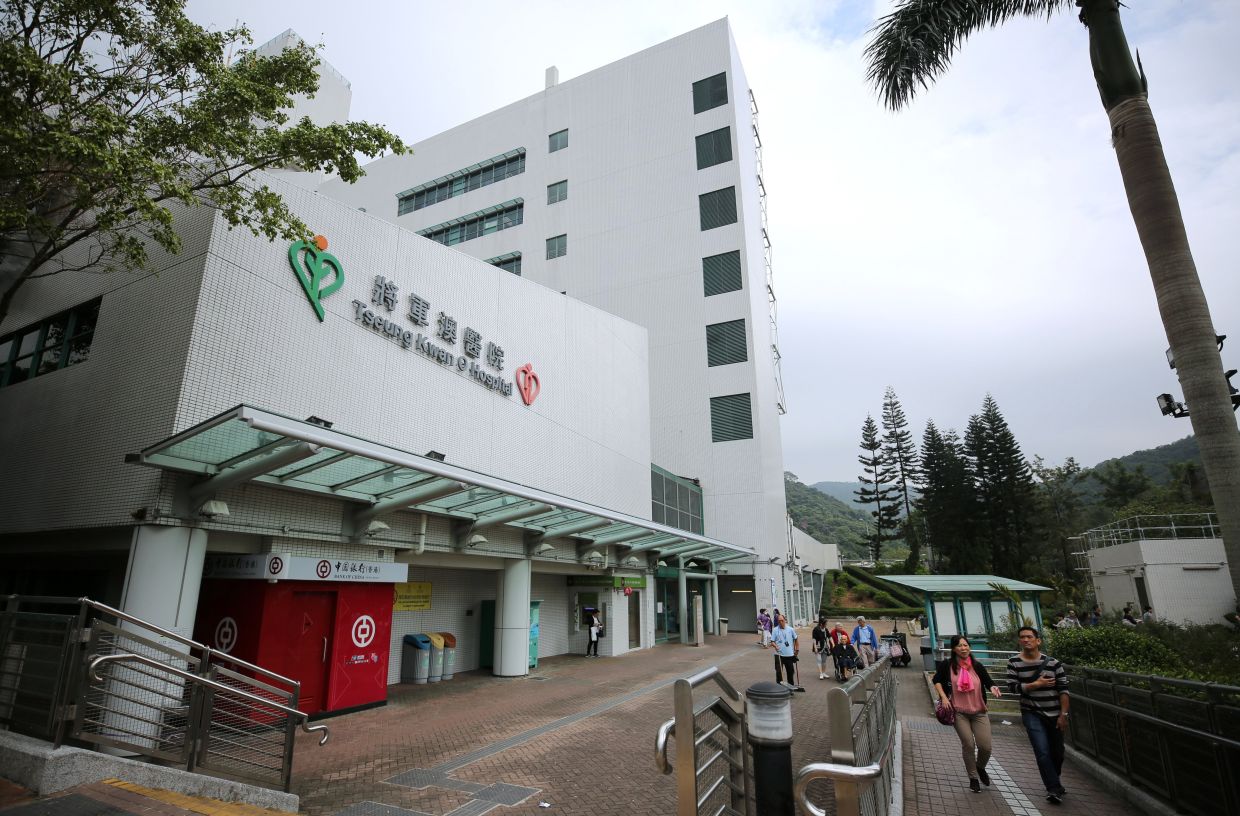
An investigation into a fatal surgical mishap at Tseung Kwan O Hospital in Hong Kong has concluded that the operating surgeon suffered from confirmation bias when identifying internal structures, leading him to create a life-threatening opening in the wrong organ. The incident, which resulted in the death of an elderly patient three weeks after the operation, has reignited concerns about medical governance standards and raises troubling questions about oversight mechanisms across Asia's healthcare systems, particularly as they relate to procedural accountability and patient safety protocols.
The 85-year-old woman admitted to Tseung Kwan O Hospital in February was suffering from obstructive sigmoid colon cancer that required immediate surgical intervention. Her treatment plan called for a transverse colostomy, a procedure designed to bypass the cancerous section of her bowel by surgically creating an opening, or stoma, directly from the transverse colon to the abdominal surface. This standard surgical approach would have allowed waste to bypass the obstruction and drain safely into an external pouch, providing much-needed relief from her intestinal blockage.
During the operation on February 7, the surgeon evidently misidentified key anatomical structures within the patient's abdominal cavity. Rather than exteriorizing the transverse colon as intended, he instead created the stoma through the stomach wall. Though the patient's vital signs initially remained stable following surgery, medical staff soon observed an unusually high volume of output from the newly created stoma, an early warning sign that something had gone seriously wrong.
The patient was initially transferred to Haven of Hope Hospital for post-operative care and rehabilitation. However, three weeks after the operation, her condition deteriorated dramatically. On March 1, she developed hypotension and tachycardia—dangerously low blood pressure accompanied by an accelerated heart rate. She was promptly returned to Tseung Kwan O Hospital for reassessment. A computed tomography scan immediately revealed the critical error: the stoma had been fashioned from stomach tissue rather than colon tissue, a fundamental surgical mistake that compromised her remaining functional anatomy.
By the time the misidentification was discovered, her clinical decline was irreversible. On March 3, after consultation with her family, medical staff implemented a do-not-attempt-resuscitation order, and the patient died. The hospital subsequently disclosed the incident in March following media inquiries, formally launching an investigation and referring the case to Hong Kong's Coroner's Court for judicial examination.
The hospital's investigation report, released on Thursday, attributed the surgical error to multiple systemic and individual failures. Most significantly, the panel found that the surgeon had exhibited confirmation bias—a cognitive phenomenon in which individuals unconsciously interpret information in ways that confirm their pre-existing beliefs or assumptions. In this case, the surgeon apparently became fixated on identifying specific anatomical landmarks and failed to implement additional verification measures that would have definitively confirmed he was operating on the correct organ before proceeding. This psychological mechanism, though common in clinical decision-making, proved catastrophic when combined with inadequate procedural safeguards.
Beyond the surgeon's diagnostic error, the investigation identified multiple organisational and communicative deficiencies that compounded the tragedy. Healthcare staff failed to adequately monitor and respond to the abnormally elevated stomal output, which represented a clear red flag suggesting something was fundamentally wrong. The surgical team's experience level proved insufficient for managing complications effectively, and critically, surgical and rehabilitation teams failed to maintain proper communication channels after the patient transferred facilities. This communication breakdown meant that specialists who might have caught the error and escalated concerns were isolated from the decision-making loop, preventing timely reassessment and intervention.
Former Hong Kong lawmaker Michael Tien Puk-sun responded to the findings with sharp criticism, noting that the surgeon in question possessed a documented history of previous errors. He called for serious disciplinary action—either significant demotion or outright termination of employment—arguing that the latest incident represented an egregious fundamental mistake that undermined Hong Kong's international reputation as a premium medical service hub. Tien's frustration reflected a broader public concern about accountability, pointedly questioning whether hospital pledges to implement improvements ever translate into genuine systemic change.
The investigation panel recommended sweeping reforms addressing governance structures within the surgery department, mandatory surgical team involvement in post-transfer patient management, and the establishment of standardized protocols requiring stoma and wound care specialists to assess post-operative patients with comprehensive documentation and timely escalation procedures. Tseung Kwan O Hospital confirmed acceptance of all recommendations, noting that it had already begun restructuring its surgery department under a cluster-based governance model designed to enhance coordination and oversight.
The hospital also indicated that it would initiate formal human resources procedures with the doctors involved and potentially refer the case to Hong Kong's Medical Council, the professional regulatory body responsible for disciplinary matters. These actions represent a critical juncture in Hong Kong's medical accountability framework. For Malaysian and Southeast Asian healthcare observers, this incident underscores the universal vulnerability of surgical environments to cognitive biases and system failures, regardless of institutional prestige or resource availability, and highlights the importance of implementing robust verification protocols and fostering cultures of transparent communication within surgical teams to prevent similar tragedies.
%22%2F%3E%3C%2Fpattern%3E%3C%2Fdefs%3E%3Crect%20width%3D%22100%25%22%20height%3D%22100%25%22%20fill%3D%22url(%23ph31oomg)%22%2F%3E%3Crect%20width%3D%22100%25%22%20height%3D%22100%25%22%20fill%3D%22url(%23ph31oomp)%22%2F%3E%3Ctext%20x%3D%2250%25%22%20y%3D%2250%25%22%20text-anchor%3D%22middle%22%20dominant-baseline%3D%22central%22%20fill%3D%22rgba(255%2C255%2C255%2C0.95)%22%20font-family%3D%22Georgia%2C%20'Times%20New%20Roman'%2C%20serif%22%20font-weight%3D%22700%22%20font-size%3D%22320%22%20letter-spacing%3D%22-0.02em%22%3EPM%3C%2Ftext%3E%3C%2Fsvg%3E)
%22%2F%3E%3C%2Fpattern%3E%3C%2Fdefs%3E%3Crect%20width%3D%22100%25%22%20height%3D%22100%25%22%20fill%3D%22url(%23ph15p9hg)%22%2F%3E%3Crect%20width%3D%22100%25%22%20height%3D%22100%25%22%20fill%3D%22url(%23ph15p9hp)%22%2F%3E%3Ctext%20x%3D%2250%25%22%20y%3D%2250%25%22%20text-anchor%3D%22middle%22%20dominant-baseline%3D%22central%22%20fill%3D%22rgba(255%2C255%2C255%2C0.95)%22%20font-family%3D%22Georgia%2C%20'Times%20New%20Roman'%2C%20serif%22%20font-weight%3D%22700%22%20font-size%3D%22320%22%20letter-spacing%3D%22-0.02em%22%3ETV3%3C%2Ftext%3E%3C%2Fsvg%3E)
%22%2F%3E%3C%2Fpattern%3E%3C%2Fdefs%3E%3Crect%20width%3D%22100%25%22%20height%3D%22100%25%22%20fill%3D%22url(%23ph2pvjyg)%22%2F%3E%3Crect%20width%3D%22100%25%22%20height%3D%22100%25%22%20fill%3D%22url(%23ph2pvjyp)%22%2F%3E%3Ctext%20x%3D%2250%25%22%20y%3D%2250%25%22%20text-anchor%3D%22middle%22%20dominant-baseline%3D%22central%22%20fill%3D%22rgba(255%2C255%2C255%2C0.95)%22%20font-family%3D%22Georgia%2C%20'Times%20New%20Roman'%2C%20serif%22%20font-weight%3D%22700%22%20font-size%3D%22170%22%20letter-spacing%3D%22-0.02em%22%3EJudicial%3C%2Ftext%3E%3C%2Fsvg%3E)