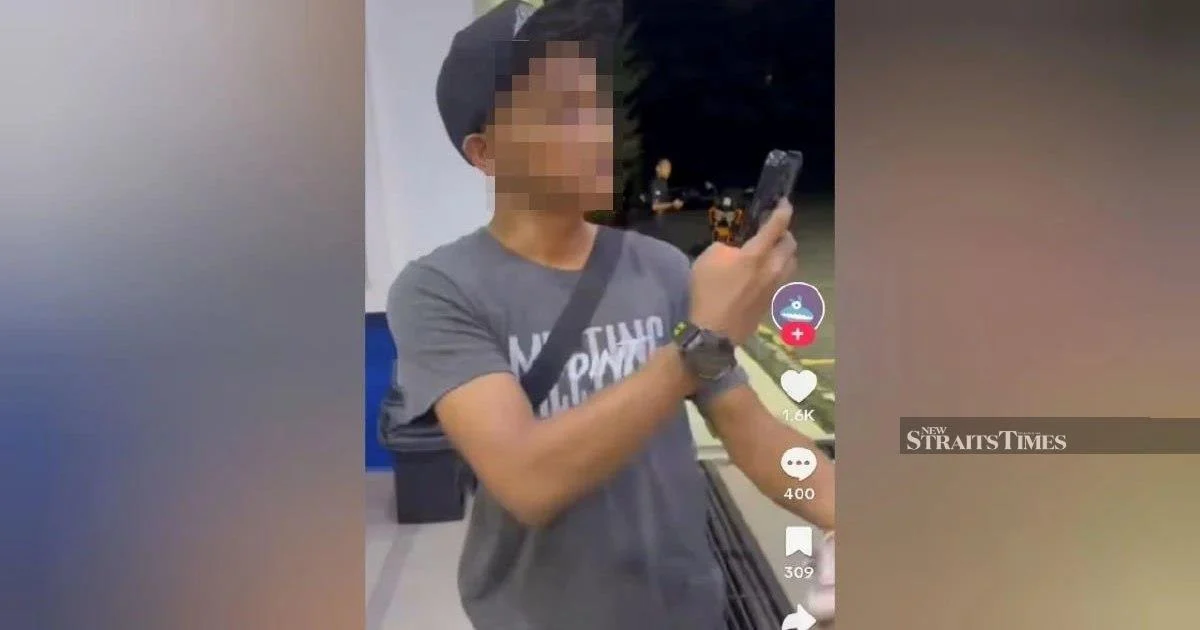
A delivery rider aged 37 remains in police custody after a Malaysian court extended his remand period in connection with the alleged theft of RM10,000 found in an abandoned wallet at a Semenyih supermarket. The suspect, whose identity has not been publicly disclosed, now faces continued detention through June 23 as investigators develop their case against him. The extension was granted at Kajang, indicating the seriousness with which authorities are treating the matter despite the relatively contained nature of the alleged theft.
The incident underscores a broader concern about personal security in retail environments across Malaysia, where valuable items left unattended remain vulnerable to opportunistic theft. Supermarkets serve as gathering points for thousands of shoppers daily, creating environments where lost belongings may be discovered by individuals facing various circumstances and moral choices. This case appears to represent a straightforward situation where a found wallet containing substantial cash was allegedly taken by someone in a position of proximity to the discovery location.
The gig economy workforce, which has expanded dramatically in Malaysia over recent years, has become increasingly integral to daily commercial operations. Delivery riders and similar service workers navigate retail and commercial spaces regularly as part of their employment, sometimes placing them in situations where they encounter lost property or items of value. The case highlights how workers in these roles face particular scrutiny, as their regular presence in such spaces can make them natural persons of suspicion when thefts occur.
Police investigations into property crimes of this scale typically involve gathering evidence from multiple sources, including security camera footage from the supermarket, witness statements from shoppers and staff, transaction records, and digital trails. The remand extension suggests investigators believe they require additional time to strengthen their case, possibly through forensic analysis, financial investigations tracking how the money may have been used, or corroborating witness testimony. The extended custody period provides law enforcement with the opportunity to interview the suspect multiple times and explore all investigative angles.
For the delivery sector in Malaysia, incidents involving workers accused of crimes while on duty can create reputational challenges for companies and raise questions about hiring practices and worker supervision. Many delivery platforms and companies have implemented training on ethical conduct and increasingly sophisticated monitoring systems to address conduct concerns. Nevertheless, individual workers acting independently remain a potential liability, particularly when they have access to customer-facing locations and potentially vulnerable situations.
The RM10,000 sum represents a significant amount for many Malaysian households, making the loss keenly felt by the original wallet owner. The discovery and apparent recovery of the wallet by authorities would have provided some relief, though the loss of the cash component creates genuine hardship. Cases of this nature often receive public attention partly because the loss is substantial enough to matter deeply to individuals while remaining small enough that many people can relate to the concern of losing valuables.
Remand extensions in Malaysian criminal procedure require judicial approval and typically depend on whether investigating officers can persuade the court that continued detention is necessary for the investigation. Courts generally assess whether sufficient grounds exist to believe the suspect may abscond, interfere with evidence, or continue criminal activity. The approval of this extension indicates the magistrate accepted these arguments, suggesting the case contains elements that justify ongoing police investigation.
The timeline through June 23 provides a crucial window for investigators to either compile sufficient evidence for charging decisions or to pursue further leads. During this period, the suspect remains in custody, unable to continue his delivery work or engage in normal activities. For delivery platform workers who operate on flexible schedules or for established delivery companies, such custody periods create immediate economic impacts and can affect their status with employers or platform providers.
This case also reflects broader evolving patterns in Malaysian crime detection and prosecution, where security systems in commercial establishments have become increasingly sophisticated. Modern supermarkets typically maintain comprehensive CCTV coverage, creating detailed records of movements and transactions that can prove invaluable in property crime investigations. Such technology has simultaneously raised investigative standards and reduced the likelihood that perpetrators will evade detection for extended periods.
The incident serves as a reminder to shoppers about securing valuable items and to retailers about their duty of care regarding lost property found on premises. Many Malaysian supermarkets have established lost and found procedures, though public awareness about using these services varies. Had the wallet been immediately turned over to customer service, the entire situation might have been avoided, highlighting the importance of educating both customers and staff about proper protocols.
For the broader delivery and gig economy sectors in Malaysia, the case underscores ongoing challenges around worker conduct and accountability. As these industries continue rapid expansion to meet e-commerce growth, maintaining ethical standards and public trust becomes increasingly critical. Pressure on workers to maximise earnings and time efficiency sometimes creates conditions where ethical lapses may occur, a dynamic that industry players and regulators increasingly recognise.
The investigation's progression over the coming weeks will likely reveal additional details about how the wallet was discovered, who found it initially, and the circumstances surrounding the suspected theft. Such cases often involve multiple narrative threads and perspectives, with different witnesses potentially recalling events differently. Police must carefully reconstruct the sequence of events and establish clear evidence linking the suspect to the alleged taking of the money.

%22%2F%3E%3C%2Fpattern%3E%3C%2Fdefs%3E%3Crect%20width%3D%22100%25%22%20height%3D%22100%25%22%20fill%3D%22url(%23ph569vbg)%22%2F%3E%3Crect%20width%3D%22100%25%22%20height%3D%22100%25%22%20fill%3D%22url(%23ph569vbp)%22%2F%3E%3Ctext%20x%3D%2250%25%22%20y%3D%2250%25%22%20text-anchor%3D%22middle%22%20dominant-baseline%3D%22central%22%20fill%3D%22rgba(255%2C255%2C255%2C0.95)%22%20font-family%3D%22Georgia%2C%20'Times%20New%20Roman'%2C%20serif%22%20font-weight%3D%22700%22%20font-size%3D%22272%22%20letter-spacing%3D%22-0.02em%22%3ETEKUN%3C%2Ftext%3E%3C%2Fsvg%3E)
%22%2F%3E%3C%2Fpattern%3E%3C%2Fdefs%3E%3Crect%20width%3D%22100%25%22%20height%3D%22100%25%22%20fill%3D%22url(%23ph9oh9g)%22%2F%3E%3Crect%20width%3D%22100%25%22%20height%3D%22100%25%22%20fill%3D%22url(%23ph9oh9p)%22%2F%3E%3Ctext%20x%3D%2250%25%22%20y%3D%2250%25%22%20text-anchor%3D%22middle%22%20dominant-baseline%3D%22central%22%20fill%3D%22rgba(255%2C255%2C255%2C0.95)%22%20font-family%3D%22Georgia%2C%20'Times%20New%20Roman'%2C%20serif%22%20font-weight%3D%22700%22%20font-size%3D%22151%22%20letter-spacing%3D%22-0.02em%22%3EBezzecchi%3C%2Ftext%3E%3C%2Fsvg%3E)