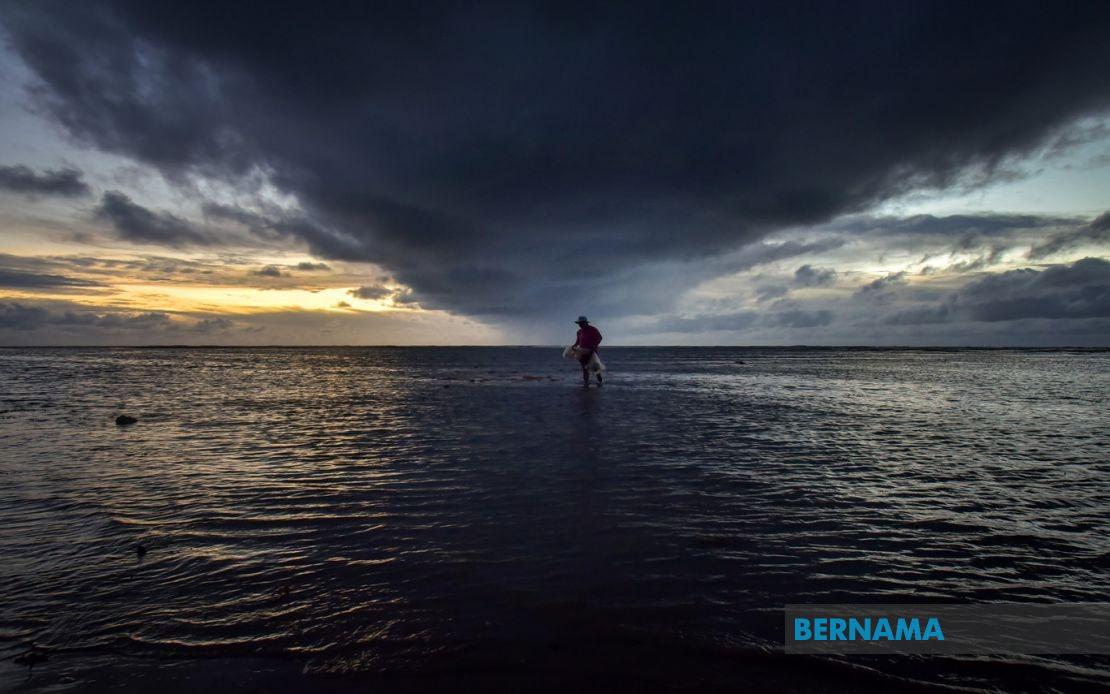
Residents across much of Malaysia should prepare for hazardous weather conditions as the Malaysian Meteorological Department (MetMalaysia) warns of widespread thunderstorms, torrential rainfall and potentially damaging winds affecting the nation until 5 pm on June 20. The alert encompasses the majority of Peninsular Malaysia's states alongside vulnerable zones in Sabah, Sarawak and the Federal Territory of Labuan, signalling a broad-reaching atmospheric disturbance that meteorologists are monitoring closely.
The entire states of Perlis and Penang face the full brunt of the forecasted severe weather system. In the northern peninsula, affected districts in Kedah stretch across Langkawi, Kubang Pasu, Padang Terap, Sik, Baling, Kulim and Bandar Baharu, indicating that both the mainland and island communities in the state should exercise caution. The warning's geographical spread underscores the scale of the meteorological event unfolding across the region.
Perak residents in multiple localities have been placed on alert, with the warning extending to Kerian, Larut, Matang and Selama, Hulu Perak, Kuala Kangsar, Manjung, Kinta, Perak Tengah, Kampar, Batang Padang and Muallim. This expansive coverage demonstrates that the adverse conditions are not concentrated in any single zone but rather distributed across the state's diverse topography and population centres.
In the central region, the warning impacts Cameron Highlands, Raub, Bentong and Rompin in Pahang, areas that include both highland communities and lowland districts susceptible to flash flooding. Selangor residents in Hulu Selangor, Gombak and Hulu Langat face similar risks, whilst Negeri Sembilan's Jelebu, Seremban, Kuala Pilah, Jempol and Tampin have also been flagged by meteorological authorities as danger zones. The concentration of warnings in the Klang Valley region and its periphery is particularly significant given the area's dense population and critical infrastructure.
In the southern peninsula, Johor's Mersing and Kota Tinggi districts are subject to the warning, suggesting that coastal and eastern areas of the state may experience intensified weather activity. The targeting of these specific Johor regions indicates that maritime and low-lying areas warrant particular attention from residents and authorities alike.
Across the South China Sea, Sabah's Interior division faces substantial risk, with MetMalaysia identifying Sipitang, Tenom, Kuala Penyu, Beaufort and Tambunan as vulnerable localities. The West Coast division, together with Kunak and Lahad Datu in Tawau, Beluran in Sandakan, Kudat and Labuan, have also been included in the warning, meaning that communities spanning from the state's interior to its coastal reaches should prepare for severe atmospheric conditions.
Sarawak's expansive land area sees multiple affected zones spread throughout its divisions. In Kuching division, both Bau and Kuching fall under the alert, whilst Samarahan and Sri Aman in their respective divisions face similar warnings. The Second Division areas of Pusa and Betong, together with Pakan and Julau in Sarikei, are flagged for danger. Sibu and Kanowit in Sibu division, along with Matu and Dalat in Mukah, represent further affected localities. Kapit's Song district, Bintulu, and Miri division's Subis, Beluru, Miri and Marudi, plus Limbang, complete the extensive list of Sarawak locations under alert.
Thunderstorms of the magnitude forecast by MetMalaysia typically pose multiple hazards to the public. Lightning strikes present immediate danger to outdoor activities and can disrupt electrical infrastructure, whilst the accompanying heavy rainfall may trigger flash flooding in low-lying areas and urban zones with inadequate drainage systems. Strong winds accompanying such storms can uproot trees, damage structures and make road travel treacherous, particularly for motorcyclists and high-sided vehicles.
Authorities and residents should implement standard severe weather protocols during this period. These measures include securing loose outdoor items, avoiding unnecessary travel, keeping away from windows during the storm's peak intensity, and remaining alert to sudden changes in weather conditions. For those in flood-prone areas, evacuation plans should be reviewed and emergency contacts confirmed.
The specificity of MetMalaysia's district-level warnings reflects the precision of modern meteorological forecasting, yet it also emphasises that weather systems can develop unpredictably. Residents in non-flagged areas should not assume complete safety, as localised severe weather can develop beyond predicted boundaries. Continuing to monitor official weather updates from MetMalaysia throughout the afternoon remains prudent for all Malaysians, particularly those in regions adjacent to the warned zones.
Such widespread severe weather events highlight the importance of Malaysia's meteorological infrastructure and early warning systems. The public's responsiveness to official alerts ultimately determines how effectively communities can mitigate the impacts of dangerous atmospheric conditions. Authorities urge citizens to take these warnings seriously and implement preventative measures promptly.
%22%2F%3E%3C%2Fpattern%3E%3C%2Fdefs%3E%3Crect%20width%3D%22100%25%22%20height%3D%22100%25%22%20fill%3D%22url(%23ph267lhg)%22%2F%3E%3Crect%20width%3D%22100%25%22%20height%3D%22100%25%22%20fill%3D%22url(%23ph267lhp)%22%2F%3E%3Ctext%20x%3D%2250%25%22%20y%3D%2250%25%22%20text-anchor%3D%22middle%22%20dominant-baseline%3D%22central%22%20fill%3D%22rgba(255%2C255%2C255%2C0.95)%22%20font-family%3D%22Georgia%2C%20'Times%20New%20Roman'%2C%20serif%22%20font-weight%3D%22700%22%20font-size%3D%22170%22%20letter-spacing%3D%22-0.02em%22%3EMalaysia%3C%2Ftext%3E%3C%2Fsvg%3E)
%22%2F%3E%3C%2Fpattern%3E%3C%2Fdefs%3E%3Crect%20width%3D%22100%25%22%20height%3D%22100%25%22%20fill%3D%22url(%23ph458y7g)%22%2F%3E%3Crect%20width%3D%22100%25%22%20height%3D%22100%25%22%20fill%3D%22url(%23ph458y7p)%22%2F%3E%3Ctext%20x%3D%2250%25%22%20y%3D%2250%25%22%20text-anchor%3D%22middle%22%20dominant-baseline%3D%22central%22%20fill%3D%22rgba(255%2C255%2C255%2C0.95)%22%20font-family%3D%22Georgia%2C%20'Times%20New%20Roman'%2C%20serif%22%20font-weight%3D%22700%22%20font-size%3D%22170%22%20letter-spacing%3D%22-0.02em%22%3EMalaysia%3C%2Ftext%3E%3C%2Fsvg%3E)
%22%2F%3E%3C%2Fpattern%3E%3C%2Fdefs%3E%3Crect%20width%3D%22100%25%22%20height%3D%22100%25%22%20fill%3D%22url(%23phyem9g)%22%2F%3E%3Crect%20width%3D%22100%25%22%20height%3D%22100%25%22%20fill%3D%22url(%23phyem9p)%22%2F%3E%3Ctext%20x%3D%2250%25%22%20y%3D%2250%25%22%20text-anchor%3D%22middle%22%20dominant-baseline%3D%22central%22%20fill%3D%22rgba(255%2C255%2C255%2C0.95)%22%20font-family%3D%22Georgia%2C%20'Times%20New%20Roman'%2C%20serif%22%20font-weight%3D%22700%22%20font-size%3D%22136%22%20letter-spacing%3D%22-0.02em%22%3EGovernment%3C%2Ftext%3E%3C%2Fsvg%3E)