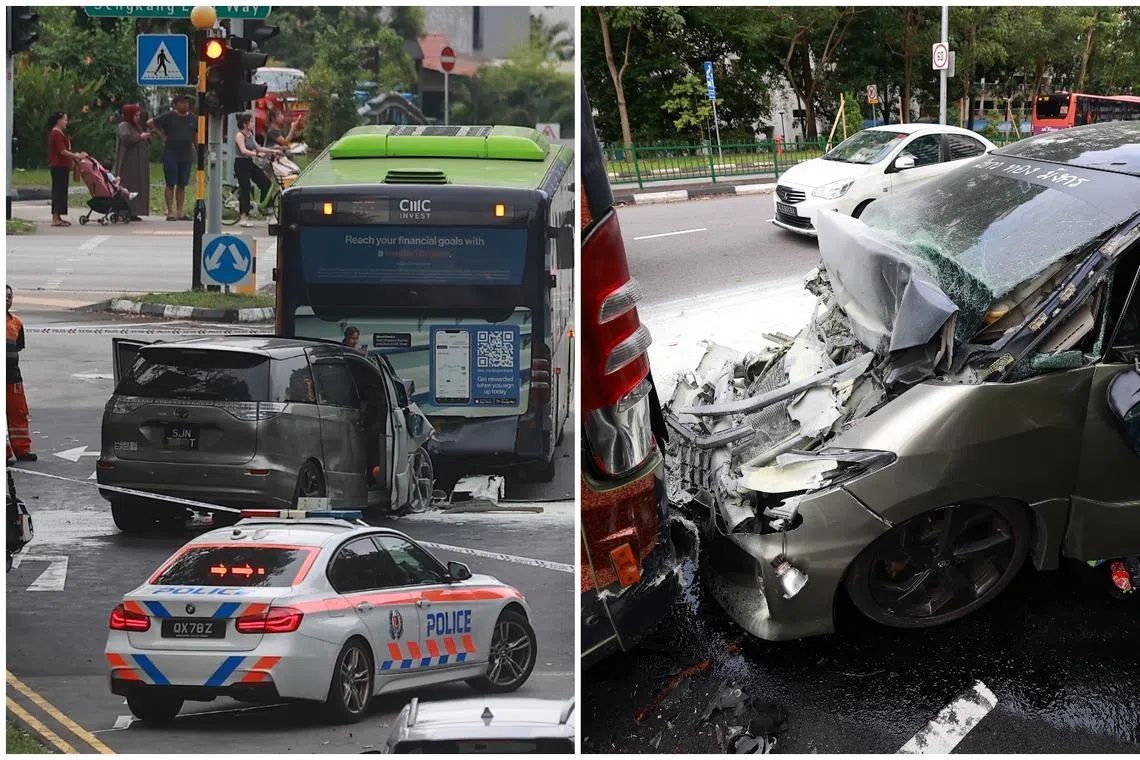
Singapore is confronting a mounting public safety crisis as drug-impaired driving emerges as a significant contributor to fatal and injury-causing road accidents. Within a single 12-day period in June, authorities charged three separate drivers with operating vehicles while under the influence of controlled substances, each incident identified only after a collision occurred. The cases underscore how quickly impairment can translate into tragedy on congested urban roads, where split-second decisions determine survival.
The three men in question had consumed different intoxicating substances. Two faced accusations involving methamphetamine, colloquially known as "Ice," while the third driver operated his vehicle after consuming etomidate, an anaesthetic compound increasingly detected in vaporiser products marketed as Kpods. This diversification of drug types complicates detection and enforcement efforts, requiring traffic authorities to test for multiple substances rather than relying on standard alcohol screening protocols alone.
Dr Jonathan Tang, a clinical toxicologist at the National University Hospital's Emergency Medicine Department, has treated patients bearing the physical scars of this emerging threat. He has personally encountered individuals admitted with traumatic injuries sustained in road collisions where etomidate-laced vapes were implicated. Tang emphasises that the neurological impact parallels alcohol intoxication, degrading cognitive function and motor control simultaneously. The anaesthetic impairs reaction time, clouds hazard perception, and destabilises vehicle control—a dangerous combination when operating a two-tonne machine at speed through populated areas.
The human toll reveals the gravity of the situation. In May 2025, a car driven by a man collided with a bus in Punggol, killing a 28-year-old female passenger. Police discovered 42 vaporisers and over 1,200 pods in the vehicle, with some containing etomidate. Blood tests confirmed the presence of etomidate in both the driver and the deceased woman. This single incident exemplifies how drug-impaired driving radiates harm beyond the culpable operator, claiming innocent lives among passengers and other road users.
Parliamentary scrutiny has brought the issue into sharper focus. In February, Member of Parliament Valerie Lee raised concerns about standard protocols for detecting drug use among drivers involved in accidents. Coordinating Minister for National Security K. Shanmugam responded by outlining the Traffic Police's assessment procedures, confirming that when impaired driving is suspected, blood tests become mandatory. Drivers found culpable face prosecution under provisions specifically addressing intoxicated operation of motor vehicles.
The statistical picture is alarming. Between 2023 and 2025, authorities recorded 38 traffic accidents linked to drug and etomidate use, resulting in 19 fatalities. Of these fatal collisions, ten involved conventional drugs whilst nine centred on etomidate consumption. The trend worsened markedly in 2025, accounting for 29 of the 38 accidents. Notably, eighteen of these 2025 cases involved etomidate, with another seven involving both drug types simultaneously, suggesting polysubstance use among drivers is not uncommon.
Tang further elucidates the pharmacological dangers, explaining that etomidate-induced impairment increases susceptibility to delayed reactions, compromised hazard perception, and loss of vehicular control. The implications extend beyond driving performance. Etomidate consumption reportedly triggers psychiatric manifestations including depressed mood, heightened aggression, and impulsive behaviour that can precipitate suicide attempts. These psychological effects fundamentally undermine an individual's capacity to operate a vehicle safely, regardless of pharmacological impairment alone.
Singapore's overall traffic safety metrics have deteriorated markedly. The 2025 toll reached 149 deaths—a ten-year high—compared with 141 fatalities in 2016. This represents a nine percent increase from 2024's 142 deaths. Injury figures similarly deteriorated, climbing from 9,342 injured persons in 2024 to 9,955 in 2025. The convergence of drug-impaired driving with these broader trends suggests systemic vulnerability in road safety, demanding multifaceted intervention.
Recent prosecutions illustrate the range of impairments encountered. Mohamed Firdouz Mohamed Akram, 36, faced multiple charges in June after driving recklessly in Kallang, injuring two people following a taxi collision. He subsequently abandoned his vehicle and fled the scene before apprehension. Police discovered drugs, vaporisers, and weapons in his abandoned car, with testing confirming Ice consumption. Puah Zhe Cong, 34, allegedly under etomidate's influence, caused one death and two injuries whilst driving dangerously, then failed to remain at the accident scene. Sivakandesh, 32, crashed his Mercedes-Benz into a rubbish chute in Yishun Street after consuming methamphetamine, striking bollards, parked vehicles, and the chute structure sequentially before halting.
Legal consequences remain proportionate yet relatively modest given the severity. First-time offenders convicted of driving whilst intoxicated face imprisonment up to one year, fines reaching S$10,000, or both. Repeat offenders encounter maximum two-year imprisonment and S$20,000 fines. These penalties, whilst meaningful, may underestimate the societal cost of preventing deaths and injuries to innocent parties.
For Malaysian readers, Singapore's experience carries cautionary resonance. The emergence of etomidate-laced vapes as a driver impairment vector represents an evolving threat potentially applicable across Southeast Asia. The drugs prevalent in Singapore's cases—methamphetamine and etomidate—circulate regionally, and vaporiser products traverse borders relatively invisibly. Malaysia's traffic safety authorities might anticipate similar challenges emerging domestically, necessitating proactive legislative and enforcement frameworks addressing emerging drug-impairment vectors before fatality clusters develop.
The convergence of substance abuse, inadequate detection mechanisms, and escalating traffic fatalities demands urgent, coordinated responses spanning detection technology, enforcement protocols, public education, and pharmaceutical supply chain management. Singapore's trajectory suggests that without comprehensive intervention, drug-impaired driving will increasingly undermine road safety outcomes across the region.
%22%2F%3E%3C%2Fpattern%3E%3C%2Fdefs%3E%3Crect%20width%3D%22100%25%22%20height%3D%22100%25%22%20fill%3D%22url(%23ph31oomg)%22%2F%3E%3Crect%20width%3D%22100%25%22%20height%3D%22100%25%22%20fill%3D%22url(%23ph31oomp)%22%2F%3E%3Ctext%20x%3D%2250%25%22%20y%3D%2250%25%22%20text-anchor%3D%22middle%22%20dominant-baseline%3D%22central%22%20fill%3D%22rgba(255%2C255%2C255%2C0.95)%22%20font-family%3D%22Georgia%2C%20'Times%20New%20Roman'%2C%20serif%22%20font-weight%3D%22700%22%20font-size%3D%22320%22%20letter-spacing%3D%22-0.02em%22%3EPM%3C%2Ftext%3E%3C%2Fsvg%3E)
%22%2F%3E%3C%2Fpattern%3E%3C%2Fdefs%3E%3Crect%20width%3D%22100%25%22%20height%3D%22100%25%22%20fill%3D%22url(%23ph15p9hg)%22%2F%3E%3Crect%20width%3D%22100%25%22%20height%3D%22100%25%22%20fill%3D%22url(%23ph15p9hp)%22%2F%3E%3Ctext%20x%3D%2250%25%22%20y%3D%2250%25%22%20text-anchor%3D%22middle%22%20dominant-baseline%3D%22central%22%20fill%3D%22rgba(255%2C255%2C255%2C0.95)%22%20font-family%3D%22Georgia%2C%20'Times%20New%20Roman'%2C%20serif%22%20font-weight%3D%22700%22%20font-size%3D%22320%22%20letter-spacing%3D%22-0.02em%22%3ETV3%3C%2Ftext%3E%3C%2Fsvg%3E)
%22%2F%3E%3C%2Fpattern%3E%3C%2Fdefs%3E%3Crect%20width%3D%22100%25%22%20height%3D%22100%25%22%20fill%3D%22url(%23ph2pvjyg)%22%2F%3E%3Crect%20width%3D%22100%25%22%20height%3D%22100%25%22%20fill%3D%22url(%23ph2pvjyp)%22%2F%3E%3Ctext%20x%3D%2250%25%22%20y%3D%2250%25%22%20text-anchor%3D%22middle%22%20dominant-baseline%3D%22central%22%20fill%3D%22rgba(255%2C255%2C255%2C0.95)%22%20font-family%3D%22Georgia%2C%20'Times%20New%20Roman'%2C%20serif%22%20font-weight%3D%22700%22%20font-size%3D%22170%22%20letter-spacing%3D%22-0.02em%22%3EJudicial%3C%2Ftext%3E%3C%2Fsvg%3E)