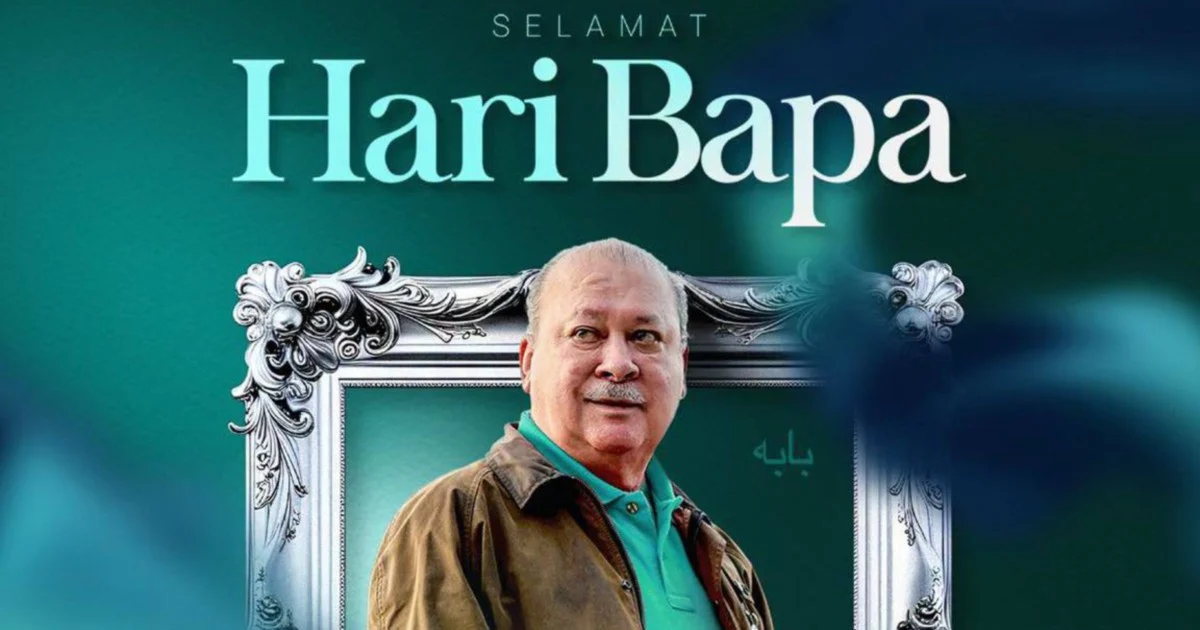
His Majesty Sultan Ibrahim, King of Malaysia, and Her Majesty Raja Zarith Sofiah, Queen of Malaysia, have marked Father's Day by extending warm greetings to the nation's fathers. The gesture reflects the Royal household's continued recognition of important cultural and family celebrations throughout the year.
Father's Day observances hold particular significance across Malaysian society, cutting across ethnic and religious communities. The celebration emphasises the vital roles fathers play in shaping families and, by extension, the nation's social fabric. By extending official greetings on this occasion, the King and Queen underscore the monarchy's connection to the values and traditions that bind Malaysian families together.
The Royal couple's message arrives during a period when Malaysian society continues to navigate evolving family structures and parenting roles. Traditional expectations around fatherhood have shifted considerably over recent decades, with contemporary fathers increasingly involved in childcare and household responsibilities alongside economic provision. This broader cultural shift has made Father's Day observations increasingly meaningful for diverse expressions of paternity and male family leadership.
Official recognition from the Palace carries weight beyond ceremonial significance. Such gestures serve to legitimise and celebrate the contributions that fathers make within their households and communities. In the Malaysian context, where family structures remain central to social organisation and national identity, Royal acknowledgement of paternal roles reinforces their societal value and importance.
The timing of the Father's Day greetings aligns with the monarchy's broader calendar of public recognition. Throughout the year, Sultan Ibrahim and Raja Zarith Sofiah observe various national celebrations, religious observances, and family-oriented occasions. These consistent acknowledgments help maintain the Palace's visible connection to everyday Malaysian life and demonstrate attentiveness to celebrations that resonate with ordinary citizens.
Father's Day celebrations in Malaysia typically involve families gathering for meals, gift-giving, and expressions of appreciation. While the occasion carries commercial dimensions, with retail sectors capitalising on consumer spending, the underlying sentiment remains rooted in familial affection and gratitude. The Royal greetings lend official status to these private expressions of family unity.
The gesture also reflects contemporary monarchical practice in the region and globally. Modern constitutional monarchies increasingly engage with their populations through participation in cultural celebrations. By acknowledging Father's Day, the Malaysian monarchy demonstrates awareness of and respect for celebrations that matter to ordinary Malaysians, moving beyond purely formal state functions.
For many Malaysian fathers, particularly those in challenging circumstances, official recognition can carry symbolic importance. Fathers facing economic hardship, those navigating single parenthood, and those undertaking non-traditional caregiving roles may find validation in the monarchy's inclusive acknowledgment of all fathers in the nation. This universal framing avoids narrowing the celebration to any particular demographic or family structure.
The Queen's participation in extending the greetings also carries significance. Her involvement highlights the modernised role of female members of the Royal household in public communications and social recognition. Raja Zarith Sofiah's joint appearance alongside her husband reflects contemporary expectations of shared royal responsibility in national celebrations and public messages.
Father's Day remains an occasion that transcends generational divides within Malaysian families. From grandfathers to young fathers, the celebration encompasses diverse age groups and experiences of fatherhood. The Royal greetings therefore address a broad constituency across Malaysian society, from rural communities to urban centres, acknowledging a universal human relationship that structures family life across the nation.
Such official recognition, while ceremonial in nature, contributes to the broader cultural conversation around fatherhood and family values in Malaysia. At a time when discussions around work-life balance, mental health, and changing family dynamics increasingly feature in public discourse, the monarchy's endorsement of Father's Day celebrations provides institutional support for reflecting on and appreciating male family members' roles and contributions.
%22%2F%3E%3C%2Fpattern%3E%3C%2Fdefs%3E%3Crect%20width%3D%22100%25%22%20height%3D%22100%25%22%20fill%3D%22url(%23ph3wr65g)%22%2F%3E%3Crect%20width%3D%22100%25%22%20height%3D%22100%25%22%20fill%3D%22url(%23ph3wr65p)%22%2F%3E%3Ctext%20x%3D%2250%25%22%20y%3D%2250%25%22%20text-anchor%3D%22middle%22%20dominant-baseline%3D%22central%22%20fill%3D%22rgba(255%2C255%2C255%2C0.95)%22%20font-family%3D%22Georgia%2C%20'Times%20New%20Roman'%2C%20serif%22%20font-weight%3D%22700%22%20font-size%3D%22272%22%20letter-spacing%3D%22-0.02em%22%3EAmira%3C%2Ftext%3E%3C%2Fsvg%3E)
%22%2F%3E%3C%2Fpattern%3E%3C%2Fdefs%3E%3Crect%20width%3D%22100%25%22%20height%3D%22100%25%22%20fill%3D%22url(%23ph5jfj1g)%22%2F%3E%3Crect%20width%3D%22100%25%22%20height%3D%22100%25%22%20fill%3D%22url(%23ph5jfj1p)%22%2F%3E%3Ctext%20x%3D%2250%25%22%20y%3D%2250%25%22%20text-anchor%3D%22middle%22%20dominant-baseline%3D%22central%22%20fill%3D%22rgba(255%2C255%2C255%2C0.95)%22%20font-family%3D%22Georgia%2C%20'Times%20New%20Roman'%2C%20serif%22%20font-weight%3D%22700%22%20font-size%3D%22272%22%20letter-spacing%3D%22-0.02em%22%3EHeavy%3C%2Ftext%3E%3C%2Fsvg%3E)