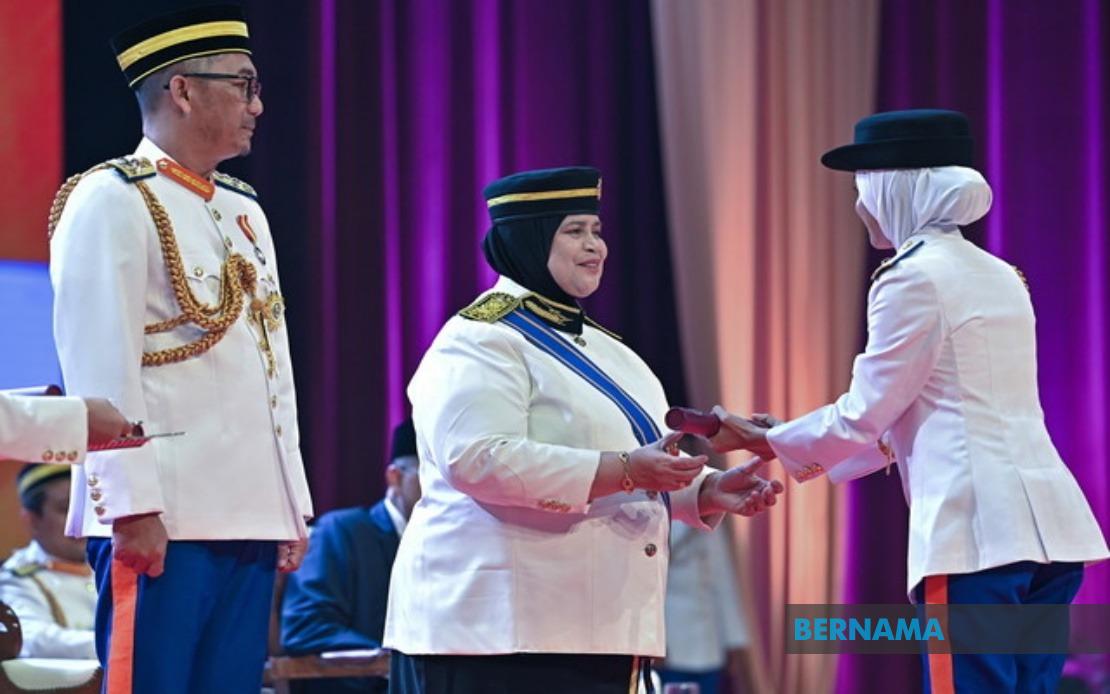
The government has commenced disbursing a newly approved allowance to 1,107 cadets from the Civil Defence Student Corps (Kor SISPA) across 36 higher learning institutions, with the first batch of payments rolling out this month. The initiative represents a significant recognition of the volunteer service rendered by university and college students who dedicate their time to civil defence activities beyond their academic commitments. Deputy Minister of Rural and Regional Development Datuk Rubiah Wang, who also serves as Civil Defence honorary commissioner, announced the development while representing Deputy Prime Minister Datuk Seri Dr Ahmad Zahid Hamidi at the 17th National Kor SISPA Commissioning Ceremony held at Universiti Pendidikan Sultan Idris in Tanjong Malim.
The allowance structure reflects a tiered approach based on educational qualification and service hours. Cadets holding a bachelor's degree will receive RM9.80 per hour, whilst those with diploma qualifications will receive RM8 per hour. This differentiation acknowledges the varied educational backgrounds within the student volunteer force whilst maintaining an equitable base compensation structure. The first phase of implementation carries an estimated financial commitment of RM500,000, indicating the government's measured but substantive approach to rolling out the programme without creating unsustainable fiscal pressures.
Rubiah emphasized that this transition from policy announcement to tangible payment represents a watershed moment for Kor SISPA advocacy. Her statement that welfare improvements have moved from theoretical discussion to concrete implementation underscores the government's commitment to recognizing student service contributions. The phased rollout strategy also signals an intent to expand the programme progressively, potentially reaching additional cadets as budget allocations evolve and fiscal priorities shift within the ministry's planning framework.
The allowance system operates on a duty-hour basis rather than a flat stipend model, meaning student cadets will be reimbursed proportionally for their actual time invested in civil defence activities. This performance-linked approach incentivizes meaningful participation and creates a transparent accountability mechanism between the volunteer organization and individual cadets. The government's intention to explore additional fiscal mechanisms to extend benefits suggests recognition that current budgeting may not accommodate all interested participants immediately.
Civil Defence programmes at Malaysian higher learning institutions serve functions extending well beyond emergency response scenarios. These cadets provide logistical and operational support during campus events, coordinate safety protocols at institutional gatherings, and maintain readiness for disaster-related mobilization. The allowance initiative aims to acknowledge this year-round commitment and provide financial recognition that might otherwise discourage students from balancing demanding academic schedules with volunteer responsibilities.
Since its inception in 2010, Kor SISPA has established a significant institutional presence across Malaysia's university network and teacher education institutions. The programme has graduated 11,802 cadets to date, many of whom have transitioned into careers within public safety, emergency management, and civil administration sectors. This alumni base represents a valuable pipeline of trained personnel with firsthand understanding of institutional risk management and community protection protocols.
The allowance initiative carries broader policy implications for Malaysia's approach to student volunteerism and civil society engagement. By providing monetary recognition for service contributions, the government signals that student participation in national safety efforts merits financial acknowledgment comparable to other forms of legitimate labour. This approach may encourage greater enrolment in similar programmes, particularly among economically disadvantaged students who might otherwise decline unpaid volunteer commitments.
The phased implementation strategy reflects practical budgetary management whilst maintaining momentum toward comprehensive programme coverage. Rather than attempting universal rollout immediately, which could strain resources or create administrative bottlenecks, the staged approach allows for system refinement, documentation standardization, and progressive expansion as institutional capacity grows. This methodical expansion model has proven effective in similar government initiatives across Southeast Asia.
Rubiah's statement that Kor SISPA members provide assistance throughout the year, extending beyond crisis response to encompass routine campus safety and university-hosted events, contextualizes the allowance within a broader recognition of sustained civil defence contributions. Many Malaysian university administrators have come to rely on trained Kor SISPA cadets for event coordination, crowd management, and first-response protocols, making these students integral to institutional safety infrastructure. Compensating this service acknowledges the opportunity cost cadets bear by prioritizing these duties alongside academic obligations.
The government's commitment to exploring expanded fiscal options suggests that current allowance parameters may represent an initial framework rather than a final policy position. Future iterations might incorporate additional payments for advanced qualifications, leadership roles, or extended service commitments. Such evolution would align with international best practices in recognizing and retaining volunteer emergency responder talent.
The next commissioning ceremony, scheduled for Universiti Sultan Zainal Abidin next year, provides an opportunity to assess programme effectiveness, gather cadet feedback, and potentially announce expanded allowance provisions. These ceremonial gatherings serve important functions beyond their ceremonial dimensions, offering official occasions to communicate policy developments and recognize outstanding service contributors. The continuation of this ceremonial tradition underscores the government's institutional commitment to Kor SISPA as a permanent feature of Malaysia's civil defence architecture.

