The Malaysian Foreign Ministry has confirmed that 11 of its nationals have gone missing following catastrophic flooding that swept through Nepal's Rasuwa district, with contact lost in the immediate aftermath of the disaster. Travel agencies operating in the region first alerted the Embassy of Malaysia in Kathmandu to the situation, triggering a coordinated diplomatic response from Wisma Putra to locate and assist the affected citizens.
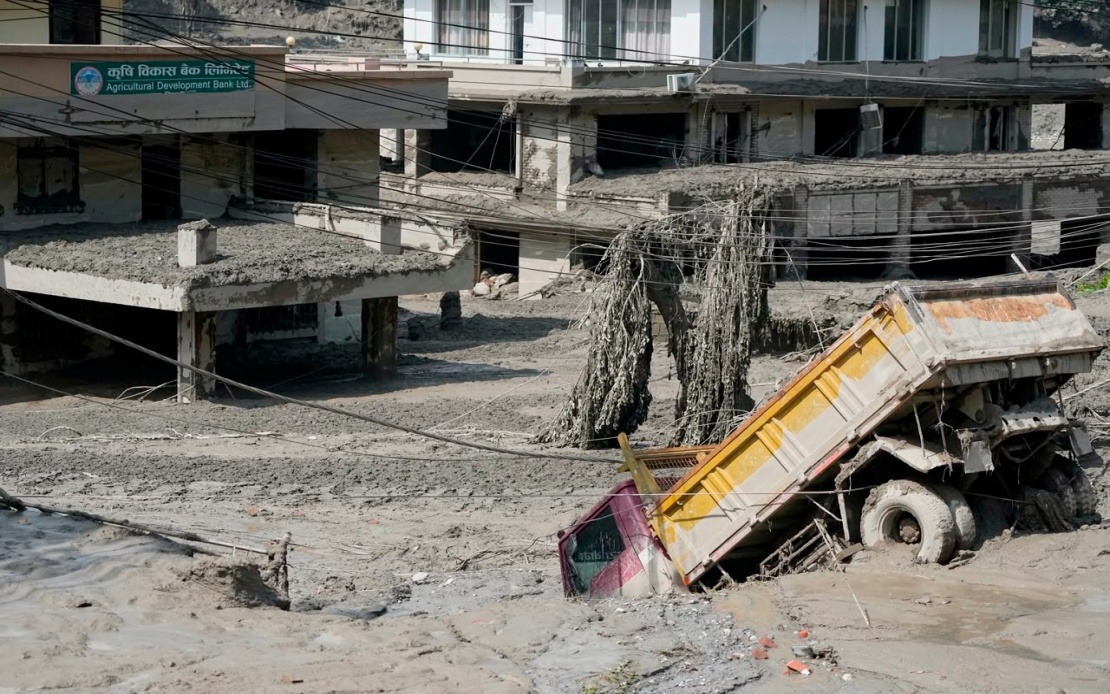
The communication blackout affecting the stranded Malaysians stems directly from the infrastructure damage wrought by the flooding event. A powerful flash flood engulfed the Bhote Koshi River area in the northern Rasuwa district on Wednesday morning, destroying homes, commercial establishments and critical utilities. The scale of destruction has rendered normal communication channels non-functional across the affected zone, leaving families and travel agencies unable to establish contact with those believed to be in the vicinity when disaster struck.
In response to the crisis, Malaysia's diplomatic mission has activated its emergency protocols and established direct liaison channels with Nepalese government agencies and active search and rescue operations already underway. The embassy is serving as the coordinating point between Malaysian authorities and Nepali rescue teams, working to verify the status and location of each missing national. This diplomatic coordination is crucial given the challenging terrain and continuing complications from damaged infrastructure in the flood-struck area.
The Malaysian government has issued an immediate advisory to all citizens in Nepal, urging heightened vigilance and strict compliance with directives from local authorities. Those residing in or transiting through Nepal, particularly in proximity to the disaster zone, have been instructed to prioritise personal safety measures and follow all official safety guidance issued by the Nepalese authorities. This precautionary stance reflects the unpredictable nature of flood aftermath, where secondary hazards such as landslides and structural collapses frequently emerge in the days following the initial event.
To facilitate rapid assistance during emergencies, Wisma Putra has actively encouraged Malaysian nationals throughout Nepal to register their presence through the e-Konsular portal, a dedicated digital platform at https://ekonsular.kln.gov.my designed to maintain updated records of citizens abroad. This registration system enables the Foreign Ministry to quickly identify and contact nationals during crises, significantly improving response times and the accuracy of welfare checks. Citizens already in the country are being urged to ensure their contact information remains current within the system.
The Foreign Ministry has established multiple communication channels for Malaysian citizens requiring immediate support. The Embassy of Malaysia in Kathmandu operates general assistance lines at +977 1 544 5680 and +977 1 544 5681, while specialised consular services are available through +977 1 544 5689. An emergency hotline dedicated to crisis situations operates at +977 980 100 8000, and the embassy also accepts inquiries via email at [email protected]. This layered communication infrastructure ensures that no legitimate request for assistance goes unheeded.
The Rasuwa district, situated in Nepal's mountainous north, represents a region that attracts adventure tourists and trekkers from across the globe, including significant numbers from Malaysia. The district's popularity as a travel destination stems from its dramatic Himalayan scenery and outdoor recreational opportunities, yet its geographical characteristics also render it particularly vulnerable to flash flooding during the monsoon season. The timing of this incident during peak travel months underscores the exposure faced by Malaysian tourists venturing into Nepal's remote areas.
For Malaysian travellers planning visits to Nepal, this incident serves as a stark reminder of natural disaster risks inherent in high-altitude and water-adjacent regions during monsoon periods. The Foreign Ministry's proactive engagement with travel agencies suggests that tour operators will face increased scrutiny regarding safety protocols and emergency preparedness. Travel companies facilitating Malaysian group tours to Nepal may face questions about whether adequate contingencies were established for communication loss and rapid evacuation scenarios in vulnerable areas.
The broader diplomatic implications extend to how Malaysia's Foreign Ministry manages regional crises involving its citizens. The speed and transparency of Wisma Putra's response has established clear expectations for accountability in similar future incidents. The coordination with Nepalese authorities demonstrates Malaysia's commitment to reciprocal consular assistance frameworks that benefit all nations operating in the region, potentially strengthening bilateral relationships and setting positive precedent for crisis management.
As verification of the missing nationals' status remains pending, the Foreign Ministry has pledged to release further updates as verified information becomes available. This cautious approach balances the need to provide reassurance to concerned families with the imperative to avoid spreading misinformation during an active rescue operation. The ministry's commitment to ongoing monitoring reflects the priority placed on citizen welfare and the resources being devoted to resolving the situation.

