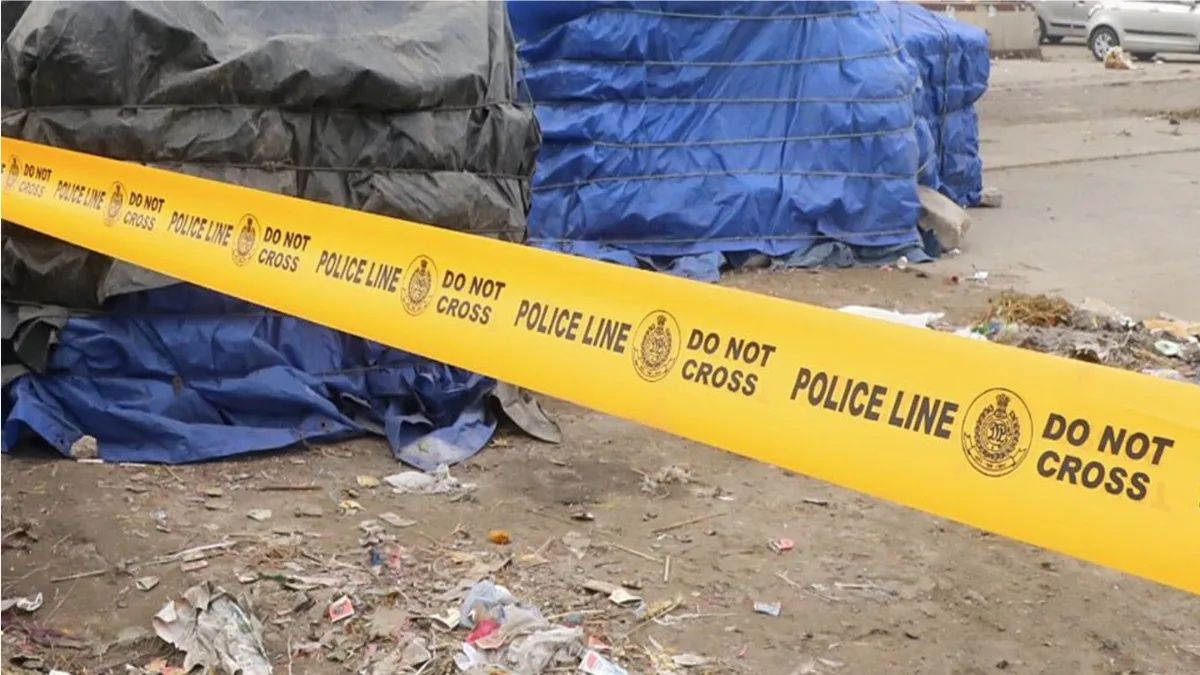
A tragic case involving the alleged gang rape and murder of a 12-year-old girl in South 24 Parganas district has unleashed considerable social turmoil in West Bengal, with the discovery of her body sparking immediate and volatile public anger. The incident, which unfolded across Sunday, July 5, drew thousands of residents to the streets in Baruipur, leading to infrastructure disruptions, violence against police, and the extrajudicial killing of a local youth suspected by villagers of involvement in the crime. The case underscores the persistent vulnerability of children in parts of India and the fragile boundary between legitimate demands for justice and dangerous mob action.
The victim went missing on Saturday evening after leaving her home in the Suryapur area to purchase food from a nearby shop. Her family reported that four men had forcibly taken her away, but initial searches yielded no immediate results. The following morning, following an overnight anxious wait, villagers discovered her body floating in a pond adjacent to her residence, wrapped inside a sack. The sight of the recovered remains brought hundreds of residents flooding to the location, and their anger at the crime quickly transformed into visible protest action.
Once word of the body's recovery began spreading through the locality, public anger escalated rapidly into sustained confrontational action. Residents blocked key roads and railway tracks at Suryapur station on the Sealdah-Namkhana line, preventing through-traffic and halting train operations for approximately one hour. Beyond these blockades, protesters torched vehicle tyres, vandalised motorcars and other property, and demanded immediate police action against all perpetrators. The demonstrations reflected genuine community horror at the crime but also highlighted how quickly grievance can tip into uncontrolled violence affecting innocent bystanders and public services.
The situation deteriorated further when an unconfirmed suspect—a local youth—became the focus of mob suspicion and anger. Witnesses claimed they had seen him in the company of alleged perpetrators, and this association was sufficient for villagers to take matters into their own hands. An angry crowd attacked the young man with lethal force, effectively carrying out an extrajudicial execution on the streets. When police personnel attempted to intervene and prevent the killing, protesters resisted forcefully, throwing stones and damaging official vehicles. Several officers sustained injuries during these confrontations, with one requiring hospital admission at a private nursing home.
The police presence at Baruipur became overwhelmed by the scale of the mob action, necessitating the deployment of large contingents of state police alongside assistance from central forces to restore order. This marshalling of resources reflects the critical challenge facing law enforcement when community anger reaches flashpoint. By early afternoon, senior officers had managed to de-escalate tensions sufficiently to allow transport services to resume and protesters to gradually withdraw their blockades. The restoration of order, however, did not erase the underlying trauma or the gravity of the crimes under investigation.
From an investigative standpoint, police have made headway in apprehending suspects. Two individuals have been arrested on the basis of police investigations, while a third suspect was initially apprehended by residents and subsequently handed over to official custody. However, the alleged involvement of four perpetrators according to family accounts suggests that the investigation remains incomplete. The police are prioritising the identification and detention of all individuals implicated in the original crime, treating this as a matter of urgent priority.
The post-mortem examination was conducted at Baruipur Sub-Divisional Hospital following proper legal protocols. This clinical assessment aims to establish the precise cause of death and gather forensic evidence that will strengthen any criminal proceedings. The completion of these formalities represents a necessary step toward judicial accountability, though for the victim's family it marks a painful procedural requirement.
State authorities have sought to reassure the public of their commitment to justice. West Bengal Chief Minister Suvendu Adhikari personally telephoned the victim's father to convey sympathy and promise firm legal action. The Chief Minister extended an invitation for the grieving parent to meet at Nabanna, the state secretariat, on Tuesday to discuss the case further and explore additional support for the family. These gestures, while important symbolically, carry weight only if followed by genuine prosecutorial rigour and appropriate sentencing.
Inspector General of Police Kankar Prasad Barui addressed residents through public address systems, acknowledging their anguish whilst emphasising the necessity of maintaining order during an active investigation. He pledged that no perpetrator would escape justice and that authorities would pursue the strictest possible punishment allowable by law. Such statements attempt to channel public anger toward the legal system rather than toward vigilante action, though their credibility depends on demonstrated follow-through.
The Baruipur incident carries broader implications for Southeast Asian societies grappling with child safety and institutional trust. The rapid descent into mob violence reflects not merely isolated anger but deep frustration with perceived gaps in law enforcement capacity or responsiveness. Malaysian readers will recognise parallels in cases where public confidence in judicial systems influences community behaviour. Authorities throughout the region must balance legitimate accountability with prevention of extrajudicial violence—a balance requiring both improved investigative capacity and enhanced public communication.
Police have intensified security measures across the affected locality to prevent further violence. Investigations continue into not only the original alleged crimes but also the circumstances of the mob lynching and assaults on law enforcement personnel. These parallel inquiries represent a dual accountability challenge: pursuing justice for the murdered child whilst also establishing the legal culpability of those who took vigilante action.
The tragedy exposes enduring vulnerabilities in child protection frameworks and the fragility of the rule of law when public emotion overrides institutional procedures. While the arrest of suspected perpetrators and initiation of judicial processes offer some pathway toward accountability, the mob killing of a suspect—however justified residents felt in doing so—represents a failure of both prevention and restraint. Moving forward, the challenge for West Bengal authorities lies in securing convictions through proper legal means whilst rebuilding community confidence that the institutional system can deliver justice reliably and transparently.

