A teenager is in critical condition after sustaining injuries from a fall at a secondary school in Ipoh, with authorities now racing to establish the precise circumstances of the accident. The 13-year-old male student was injured in the incident, which occurred at the school premises on June 22. Emergency responders, alerted through the MERS 999 hotline at 2.49 pm, reached the scene promptly and provided immediate medical assistance before transporting the boy to Raja Permaisuri Bainun Hospital for intensive care.
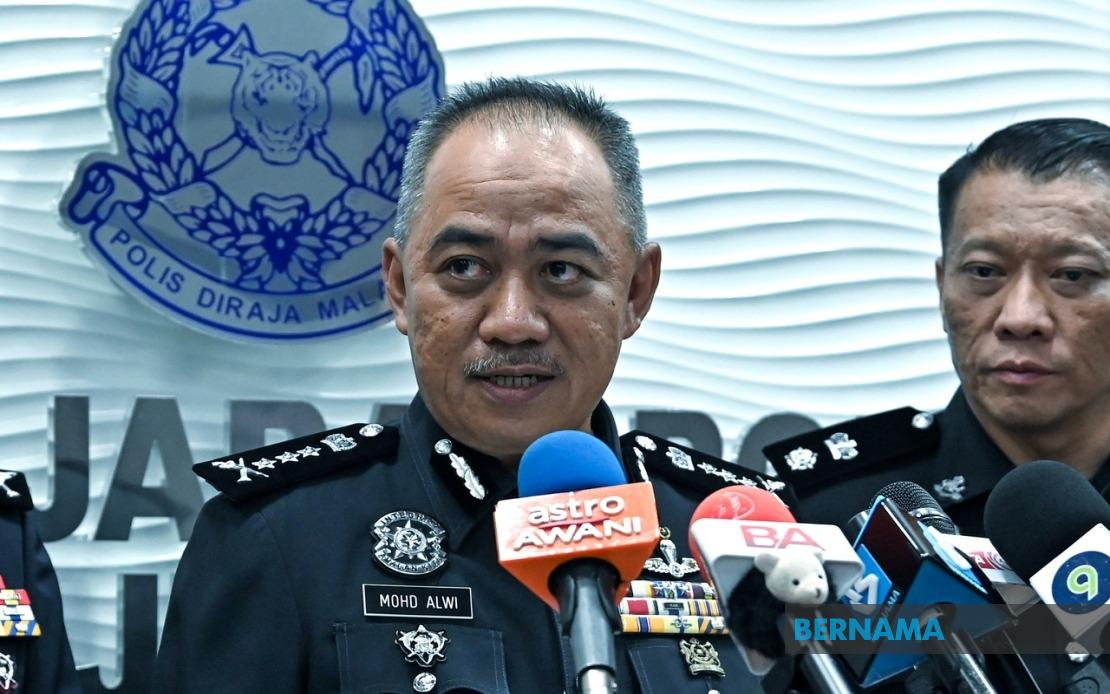
According to Datuk Mohd Alwi Zainal Abidin, the Perak police chief, officers from Ipoh district police headquarters responded to the emergency call and began preliminary investigations at the location. The rapid deployment of both police and medical personnel reflects established protocols for handling such incidents involving minors on school grounds. The transfer to the major hospital facility indicates the severity of the injuries sustained, necessitating specialist treatment and continuous monitoring.
The investigation remains in its early stages, with police still gathering crucial information from witnesses present at the school during the incident. Authorities are examining multiple aspects of what occurred, including environmental factors, the exact location and height from which the student fell, and any potential contributing circumstances. This methodical approach is standard practice when investigating incidents involving children, where accuracy and thoroughness are paramount.
Datuk Mohd Alwi has issued a public statement urging citizens to refrain from spreading unconfirmed accounts or speculation about the case. Such appeals are common in Malaysia's media landscape, where social media can rapidly amplify incomplete or inaccurate information about sensitive incidents. The police chief emphasized that allowing investigations to proceed without interference from rumour and conjecture is essential for reaching reliable conclusions.
The incident raises broader questions about student safety within Malaysian educational institutions. School buildings house thousands of young people daily, and ensuring appropriate safety measures—from structural integrity to supervision protocols—remains a critical responsibility for education authorities and administrators. Falls from height, while not the most common school accidents, represent a category of injury that preventative measures can meaningfully reduce.
Police have specifically requested the cooperation of all individuals with information about the fall, asking them to provide formal statements rather than discussing details publicly. This approach helps maintain the integrity of the investigation and prevents contamination of witness accounts through exposure to media coverage or social discussion. It also protects the victim's family during what is undoubtedly an extraordinarily distressing period.
The Perak police commitment to conducting a transparent and thorough investigation signals an intent to provide answers to the school community and the public once the investigation concludes. This transparency, balanced against the need to protect privacy during the investigative phase, reflects Malaysian police standards for handling high-profile cases involving minors. Authorities have promised to release further updates as the investigation progresses.
Family privacy assumes heightened importance in cases involving children. The police chief's explicit request for the public to respect the victim's family and the school community during this period acknowledges the trauma such incidents inflict on multiple parties. The student's relatives, fellow pupils, teachers, and school staff are all affected by the incident, requiring space and protection from unwanted attention or invasive questioning.
For Malaysian schools, incidents of this nature prompt reflection on existing safety protocols and whether additional measures might be warranted. While falls remain relatively uncommon, their potential severity justifies preventive investment in areas such as protective barriers, regular safety audits, and staff training in emergency response. The secondary school sector, which serves adolescents at an age when risk-taking behaviour can increase, faces particular responsibility in managing environmental hazards.
The investigation's outcome will likely influence discussions about school safety practices across Perak and potentially nationwide. If findings indicate gaps in safety measures or procedural failures, education authorities may face pressure to implement corrective actions. Conversely, if the incident is deemed purely accidental with no preventive measures that would have altered the outcome, it may reinforce existing protocols. These outcomes carry implications for resource allocation within schools and the balance between supervision intensity and student autonomy.