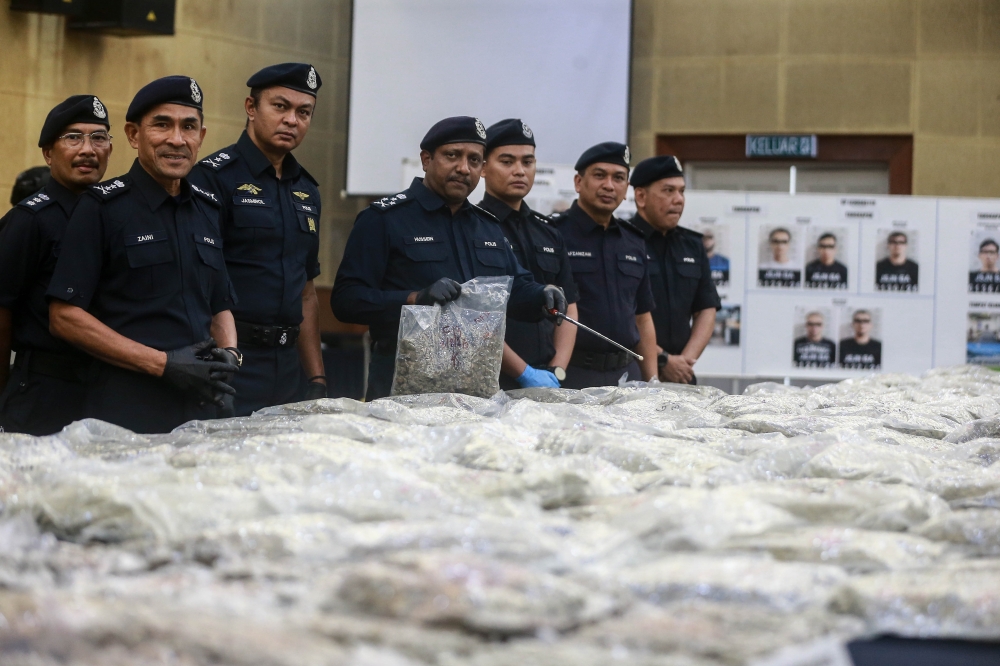
Police have confirmed that 14 Malaysian nationals have been apprehended in countries abroad since the start of this year on suspicion of involvement in international drug smuggling networks, signalling a concerning trend in how criminal syndicates are leveraging Malaysian transit hubs for narcotics distribution. The arrests, disclosed by law enforcement officials in Shah Alam, underscore the persistent challenges facing authorities in combating cross-border drug trafficking at a time when airport security and border controls remain under intense scrutiny across Southeast Asia.
The detained individuals are suspected of operating within organised smuggling rings that utilise major Malaysian aviation facilities as conduits for moving contraband across regional and intercontinental routes. While authorities have not released comprehensive details about the specific drugs involved or the precise locations of the arrests, the pattern indicates that Malaysian criminals continue to serve as crucial links in broader supply chains operated by larger international organised crime networks. This involvement exposes the country to heightened diplomatic friction and potential sanctions from nations whose territories are affected by drug trafficking originating from or transiting through Malaysia.
The Kuala Lumpur International Airport, as the nation's primary international air gateway, has become a focal point for law enforcement intervention and intelligence gathering. The frequency of drug-related arrests at KLIA and through overseas operations tied to Malaysian nationals suggests that criminal organisations have adapted their methods in response to heightened domestic enforcement. Rather than relying solely on traditional customs evasion techniques, smugglers increasingly employ couriers who transport drugs internally before attempting international movement, a strategy that complicates detection and places enforcement burdens on international partners.
Malaysia's geographical position as a regional transport hub, combined with its extensive air connectivity to major markets in Asia, Europe, and North America, makes it an attractive node in global drug distribution networks. The fourteen arrests represent only those cases prosecuted internationally where Malaysian identity has been confirmed; the true scope of Malaysian involvement in overseas drug smuggling likely remains substantially higher, with many cases proceeding through foreign legal systems without coordinated reporting to Malaysian authorities.
The implications for Malaysia's international standing are significant. Nations experiencing inflows of drugs traced to Malaysian smugglers may intensify pressure on Kuala Lumpur to strengthen enforcement mechanisms, implement stricter airport protocols, and enhance information-sharing with regional law enforcement bodies. Such diplomatic consequences can affect bilateral relations, trade negotiations, and Malaysia's reputation as a trustworthy regional partner in counternarcotics operations.
Domestic enforcement agencies face considerable obstacles in disrupting these networks. Smugglers often recruit individuals from lower socioeconomic backgrounds, offering substantial financial incentives that make participation attractive despite severe criminal penalties in destination countries. The sophisticated nature of international drug rings means that arresting individual couriers rarely dismantles operational structures; higher-level organisers typically remain insulated from direct involvement in border-crossing activities, making prosecution of kingpins exceptionally difficult.
The pattern of arrests also highlights vulnerabilities in airport operations and staff screening procedures. While KLIA maintains modern security infrastructure, the volume of daily passenger movement—numbering in the tens of thousands—creates inevitable gaps that determined smugglers exploit. Enhanced intelligence sharing between Malaysian customs, immigration, and police agencies could improve interdiction rates, though resource constraints often limit the scope of preventive operations.
Regional cooperation mechanisms, including ASEAN frameworks for counternarcotics coordination, have become increasingly important for tackling transnational drug trafficking. Malaysia's involvement in broader Southeast Asian enforcement initiatives can yield intelligence that helps identify and disrupt smuggling networks at source, though implementation remains inconsistent across member states. The fourteen arrests abroad demonstrate that intelligence gaps persist despite these formal cooperative structures.
For Malaysian criminal justice authorities, these overseas arrests present opportunities to gather evidence about networks operating domestically. Cooperation with foreign law enforcement in interrogating detained Malaysians can yield actionable intelligence about supply sources, distribution methods, and complicit organisations within Malaysia itself. However, such cooperation depends on diplomatic channels and mutual legal assistance treaties, processes that often move slowly and encounter jurisdictional complications.
Looking ahead, Malaysian authorities face mounting pressure to demonstrate progress in combating drug trafficking given the visible evidence of nationals participating in international smuggling operations. Enhanced airport screening, improved intelligence analysis, and stricter penalties for smuggling offences represent potential policy responses, though their effectiveness depends on consistent implementation and adequate resourcing. The fourteen arrests since January serve as a stark reminder that Malaysia's role in global drug trafficking remains substantial and demands sustained law enforcement attention.

