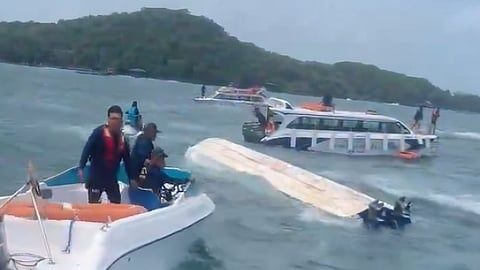
A tourist speedboat returning from an island excursion in southern Vietnam capsized on Saturday, claiming the lives of 15 Indian visitors in what authorities are investigating as a significant maritime accident. The vessel went down approximately 400 meters from Hon May Rut Ngoai Island, located near Phu Quoc, Vietnam's largest island situated in the Gulf of Thailand. The boat had been transporting 32 Indian tourists alongside four crew members when the disaster occurred, according to statements from Vietnamese authorities cited by state media.
The rapid response from nearby vessels proved instrumental in the initial stages of the rescue effort. According to eyewitness accounts reported by VN Express, nearby boats at the scene immediately mobilised to extract passengers from the water, beginning lifesaving operations before official rescue agencies could arrive. The coordinated response from multiple government agencies—including border guards, naval personnel, coast guard units, and other rescue services—followed in the wake of these initial civilian rescue attempts.
Rescue personnel faced considerable challenges during recovery operations, particularly because a substantial number of passengers became trapped within the vessel's hull during the capsizing. This complication extended the complexity and duration of the rescue mission as teams worked to access those still inside the submerged boat. Despite these difficulties, rescue workers ultimately pulled 21 individuals from the water alive, while authorities confirmed that all victims were subsequently recovered from the scene. Those who sustained injuries during the incident were transported to nearby medical facilities for treatment.
Phu Quoc stands as one of Southeast Asia's premier tourism destinations, drawing millions of visitors annually from both domestic and international markets. The island's reputation rests on its distinctive natural features, including stretches of white-sand beaches and unusually transparent coastal waters that appeal to international travellers seeking tropical recreation. Hon May Rut Island, situated approximately 10 kilometres south of Phu Quoc proper, shares these geographical characteristics and similarly attracts considerable tourist traffic seeking island-hopping adventures and water-based activities.
For Malaysian and regional tourism stakeholders, this incident carries significant implications regarding maritime safety standards in the Gulf of Thailand region. Many Southeast Asian tourists, including Malaysians, frequently undertake similar island tours throughout the area, making questions about vessel maintenance, crew training, and regulatory oversight directly relevant to regional travel safety. The popularity of budget tour packages in Vietnam has resulted in considerable traffic of tourist boats throughout the region, and this incident highlights potential vulnerabilities in safety protocols across the broader tourism infrastructure.
The immediate cause of the Saturday capsizing remained unclear at the time authorities released statements, with investigators launching a formal inquiry into the circumstances surrounding the accident. Determining whether the incident resulted from mechanical failure, operational error, adverse weather conditions, vessel overloading, or other factors would be central to understanding how such tragedies might be prevented in future operations. The scope and thoroughness of this investigation will likely influence how both Vietnamese authorities and regional governments approach maritime tourism safety regulations.
India maintains substantial tourism and economic ties throughout Southeast Asia, and incidents involving Indian nationals generate particular diplomatic attention. The significant loss of life—15 deaths represents a substantial casualty toll for a single vessel incident—will inevitably prompt scrutiny from Indian officials regarding safety standards maintained by Vietnamese tourism operators and oversight mechanisms governing maritime activities in the region. Such incidents often catalyse bilateral discussions about regulatory harmonisation and safety protocol improvements.
The incident also raises broader questions about the adequacy of rescue infrastructure and emergency response capabilities in popular island tourism zones. While the initial response from civilian vessels and subsequent arrival of official rescue agencies demonstrated operational coordination, the fundamental question of whether adequate preventive measures exist before accidents occur remains pressing. This includes considerations of vessel inspection regimes, crew certification requirements, passenger capacity enforcement, and safety equipment mandates.
Tourism recovery in Vietnam has accelerated notably following pandemic-related disruptions, with increased visitor numbers placing greater demands on tourism infrastructure. The pressure to maintain profitability and capacity in a competitive market sometimes creates tensions with rigorous safety enforcement, particularly in the case of smaller operators or those serving budget-conscious segments. This economic reality may factor into how thoroughly safety protocols are maintained across the tourism sector.
For travellers from Malaysia and the broader region, this tragedy underscores the importance of exercising due diligence when selecting tour operators and vessels for maritime activities. Checking operator credentials, verifying safety equipment presence, confirming crew qualifications, and understanding weather conditions before departure represent practical precautions that individual tourists can implement. Regional tourism authorities may also benefit from establishing baseline safety standards that apply consistently across competing operators to prevent incidents where competitive pressure compromises safety measures.
The recovery and investigation phase will extend over coming weeks as Vietnamese authorities examine the vessel, interview survivors, and analyse operational records. This process should yield detailed findings regarding the specific factors contributing to the capsizing, potentially informing recommendations applicable across the regional tourism industry. How decisively authorities act on these findings will significantly influence the safety trajectory of maritime tourism throughout the Gulf of Thailand and adjacent waters where Malaysian and other regional tourists regularly travel.

