Fifteen Indian tourists who lost their lives in a speedboat disaster off Vietnam's southern coast have begun their journey home, with the first batch of remains departing Ho Chi Minh City on Monday bound for Mumbai. The repatriation marks a sobering conclusion to what was meant to be a memorable corporate retreat, underscoring the tragic human cost of the maritime incident that unfolded in waters off Phu Quoc island last Saturday afternoon.
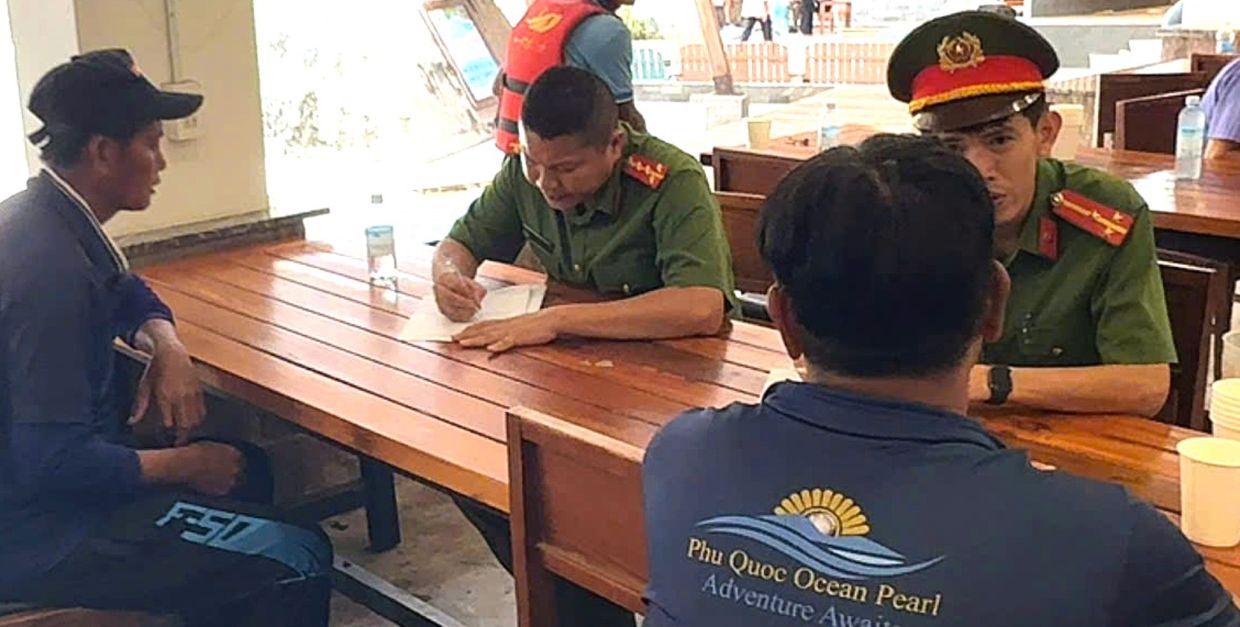
The speedboat, carrying a total of 36 people including 32 Indian tourists and four Vietnamese crew members, overturned near shore shortly after departing Hon May Rut Ngoai island in circumstances that authorities are still investigating. The vessel's captain, Nguyen Hong Hai, 57, has come under official scrutiny for alleged breaches of waterway transport safety regulations according to Vietnamese state media reports. The investigation will likely focus on whether proper safety protocols were followed and whether the vessel was adequately maintained and equipped for the conditions encountered that day.
The deceased tourists hailed from multiple Indian states, reflecting the pan-national composition of the group. Tamil Nadu accounted for ten of the victims, while Andhra Pradesh contributed three and Kerala two. The Indian Embassy coordinated repatriation efforts and worked with home state authorities to facilitate onward travel of the remains to families. This tragedy has cast a shadow over what began as a company-sponsored trip for Lava International, a Uttar Pradesh-based smartphone and consumer electronics manufacturer, organised for employees, distributors and retail partners seeking to strengthen business relationships and boost morale.
Survivors have painted a harrowing picture of how the leisurely excursion transformed into a nightmare within moments. Nirmal Kumar, a 44-year-old businessman who was aboard the vessel, described how conditions deteriorated rapidly when severe weather struck. A large swell crashed against the boat, unleashing panic throughout the passenger compartment as people scrambled desperately to maintain their footing on the listing deck. Kumar recounted how the vessel pitched violently in increasingly turbulent waters, becoming progressively harder to control before finally capsizing.
The chaos that followed saw passengers surging from side to side as the boat tilted, with many jumping overboard in desperation to escape the sinking craft. Kumar himself plunged into the water, one of 32 survivors who would eventually be pulled from the sea. Rescue personnel arrived remarkably quickly, reaching the scene within just five minutes and extracting people from the water with efficiency that likely prevented additional fatalities. The speed of the rescue response demonstrates the operational readiness of Vietnam's maritime rescue services in this popular tourist region, though it could not prevent the catastrophic loss of life.
Kumar's account reveals the personal devastation wrought by the disaster beyond raw casualty figures. Among those who perished was a childhood friend who had accompanied him on the trip in anticipation of a holiday that would remain unforgettable for entirely tragic reasons. Kumar himself remains psychologically scarred by the experience, struggling to come to terms with the sudden death of someone close to him and his own narrow escape from the same fate. Such survivor's trauma represents an often-overlooked consequence of maritime disasters that affects those who endure them for years afterward.
Sixteen survivors were discharged from hospital and have already returned to India, though one critically injured tourist presented an ongoing medical challenge. A 49-year-old man sustained severe pulmonary damage following near-drowning, compounded by shock, multiple traumatic injuries and intracranial bleeding. Doctors transferred him Monday to Cho Ray Hospital, a leading public medical facility in Ho Chi Minh City equipped to provide specialised intensive care. Dr. Tran Thanh Linh, head of the hospital's intensive care unit, reported that the patient's blood pressure and blood oxygen saturation levels showed signs of improvement, though his condition remained guarded.
The capsizing occurred approximately ten kilometres south of Phu Quoc island, one of Vietnam's premier vacation destinations renowned for its pristine white sandy beaches and crystalline waters. Both Phu Quoc and the surrounding region attract millions of domestic and international visitors annually, making this disaster particularly significant for Vietnam's tourism industry and safety reputation. The incident raises questions about vessel maintenance, crew training and weather monitoring protocols at tourist operators in the area, issues that will likely feature prominently in the ongoing investigation.
India represents one of Vietnam's fastest-expanding tourism markets, with growing numbers of Indian visitors exploring Southeast Asian destinations. This tragedy introduces an element of urgency to discussions about maritime safety standards and enforcement in Vietnam's tourist sectors. The incident may prompt both Indian authorities and Vietnamese tourism regulators to examine safety certification processes, insurance requirements and passenger briefing procedures across speedboat operators serving the Phu Quoc area. For Malaysian readers, the disaster serves as a stark reminder of maritime risks in tropical Southeast Asian waters where sudden weather changes can develop with little warning, reinforcing the importance of rigorous safety compliance across all regional tourist boat operations.

