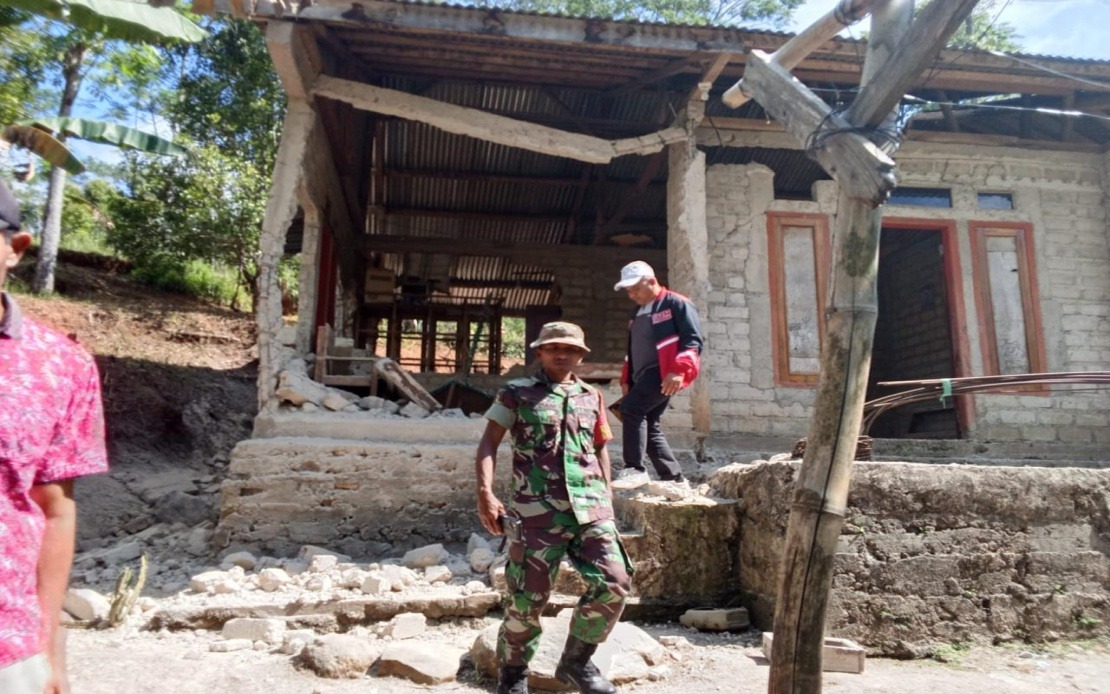
Malaysia's Foreign Ministry has reported that all 16 Malaysian tourists present in earthquake-affected areas on Flores Island in East Nusa Tenggara have been accounted for and remain in good condition. The confirmation came through a media advisory issued on Saturday, with the Malaysian Embassy in Jakarta establishing direct contact with the group after a magnitude 7.7 earthquake struck the region in the early hours of the morning.
The earthquake occurred at 4.58 am local time, with its epicentre located northeast of Mbay in Nagekeo Regency. The seismic event caused significant concern for Malaysian nationals in the vicinity, prompting swift diplomatic action from the embassy to verify the safety of all citizens in the affected zone. According to the official statement, the Foreign Ministry has received no reports of any Malaysians suffering injury or harm from the disaster.
The rapid response by Malaysia's diplomatic mission underscores the importance of maintaining updated contact information with home country authorities whilst abroad. The embassy's ability to reach the tourist group quickly demonstrated the value of pre-established communication channels and the coordination mechanisms that exist between Kuala Lumpur and its overseas missions. Such preparedness proves critical in natural disaster scenarios where swift information exchange can prevent unnecessary panic and expedite necessary assistance.
East Nusa Tenggara is a popular destination for Malaysian tourists seeking to explore Indonesia's natural attractions, including pristine beaches and cultural heritage sites. The region, while offering unique travel experiences, does lie within Indonesia's seismically active zone known as the Ring of Fire. This geographical reality means that travellers to the area must remain aware of potential geological hazards and familiarise themselves with local emergency protocols before departure.
The Foreign Ministry has taken the opportunity to remind all Malaysian citizens in or planning to visit the affected regions to maintain heightened awareness of their surroundings and adhere strictly to instructions issued by Indonesian local authorities. This advisory reflects standard diplomatic protocol following significant natural disasters, ensuring that nationals understand the importance of following official guidance rather than relying on informal sources or speculation about recovery efforts and safety conditions.
A particularly useful recommendation issued by the ministry involves the e-Konsular portal, an online platform designed to streamline communication between Malaysian citizens abroad and their government. By maintaining updated contact details through this system, Malaysians can ensure that diplomatic missions can reach them swiftly in emergencies. Registration on the portal is voluntary but increasingly vital for those who travel regularly or maintain extended stays in disaster-prone regions.
For those facing immediate difficulties or emergency situations, the Malaysian Embassy in Jakarta has made its crisis response team available through multiple channels. The emergency helpline at +6281380813036 provides direct access to consular officers trained to handle urgent matters, whilst the email address [email protected] offers an alternative contact method for those unable to reach the hotline. These resources represent the embassy's commitment to supporting Malaysian citizens during challenging circumstances.
The incident highlights broader questions about travel safety in Southeast Asia's tectonically active regions. Whilst earthquakes are natural phenomena that cannot be prevented, their impact on tourism can be significant, particularly when they strike without warning. Insurance companies and travel operators serving Malaysian customers have increasingly begun incorporating natural disaster protocols into their service packages, recognising that informed travellers are better prepared to handle emergencies.
The coordination between the Foreign Ministry and the Indonesian authorities during the immediate aftermath of the earthquake demonstrates the strong diplomatic relationships that exist between Malaysia and Indonesia. Such cooperation extends beyond disaster response to encompass broader tourism and consular matters that affect the millions of citizens who travel between the two countries annually. The relationship reflects decades of partnership within the Association of Southeast Asian Nations framework.
Looking ahead, the Foreign Ministry has committed to maintaining close monitoring of the situation and providing updated information to the public as circumstances evolve. This ongoing vigilance serves both to reassure Malaysian nationals already in the region and to guide prospective visitors in making informed travel decisions. The ministry's transparent communication approach helps manage public concern whilst demonstrating the government's active engagement with issues affecting its citizens overseas.

