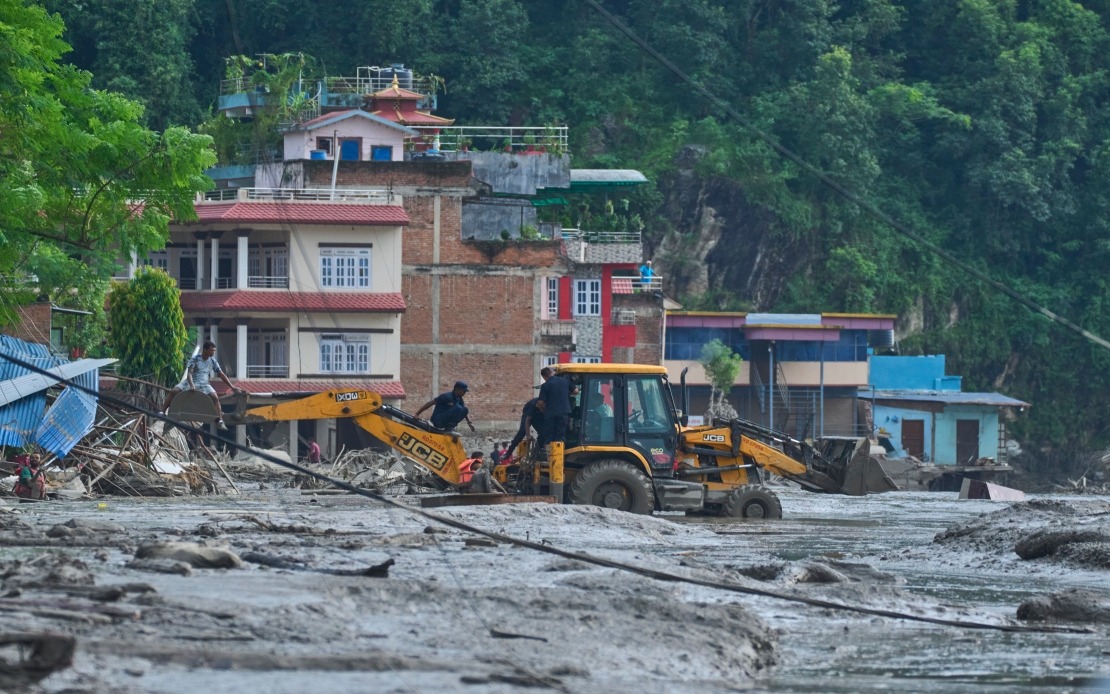
Seventeen Malaysian nationals have gone missing in the aftermath of a catastrophic flash flood that struck Nepal's Rasuwa district on Wednesday morning, according to the Nepal Tourism Board. The disaster has created a crisis affecting hundreds of foreign tourists and trekkers across the mountainous region, with authorities scrambling to locate and verify the safety of visitors and residents alike. The Malaysian group formed part of a larger cohort managed by Fishtail Tours and Travels, a tour operator based in Nepal that coordinated their activities in the affected zone.
The scale of the humanitarian emergency became apparent as authorities released preliminary casualty figures. At least 291 foreign nationals and 93 Nepalese citizens remain uncontactable as of Wednesday afternoon, according to Nepal's tourism authorities. Police and tour operators have initiated intensive coordination efforts to trace the missing persons, though challenging terrain and infrastructure damage have complicated rescue operations. The Malaysian Foreign Ministry issued a separate statement acknowledging that 11 Malaysian nationals believed to have been in Rasuwa district at the time of the flooding had lost all communication with the outside world, though the Nepal Tourism Board's figure of 17 suggests the situation may be more fluid than initial assessments.
The Malaysian Embassy in Kathmandu activated its emergency response protocols immediately following reports of the disaster. Diplomatic staff are maintaining active liaison with Nepalese government agencies and are coordinating directly with search and rescue teams deployed by the Nepalese government. Efforts have focused on establishing the whereabouts and physical condition of affected Malaysian citizens, though the scale of the geographic area impacted and the extent of damage to communication infrastructure have created substantial obstacles. Embassy officials indicated that determining the safety status of the missing Malaysians remains the primary concern, with ongoing efforts to cross-reference passenger lists, tour itineraries, and communications from tour operators and hotels.
The disaster itself originated from an unprecedented surge in the Bhote Koshi river, which generated a devastating flash flood through Nepal's northern regions. The torrent obliterated multiple villages along its path and triggered widespread destruction across the Rasuwagadhi-Timure area. Critical infrastructure sustained severe damage, including roads essential for evacuation and supply access, residential buildings and accommodation facilities, and several hydropower projects that underscore the region's role in Nepal's energy infrastructure. The flooding represents one of the most significant natural disasters to affect Nepal's tourism sector in recent years, with implications for both rescue operations and the country's international reputation as a trekking destination.
India has been particularly heavily impacted by the disaster, with 142 Indian nationals reported missing, including 37 non-resident Indians living abroad. The high concentration of Indian visitors reflects the historical connections between Nepal and India, as well as the popularity of Himalayan trekking routes among Indian adventure tourists. Beyond the Indian and Malaysian contingents, citizens of Britain, South Africa, and the United States remain unaccounted for, indicating the international draw of Nepal's mountain regions and the complexity of coordinating rescue efforts across multiple nationalities and jurisdictions. The multinational character of the missing persons has necessitated unprecedented diplomatic coordination between Nepal's government and multiple foreign missions in Kathmandu.
The flooding raises significant questions about disaster preparedness and early warning systems in Nepal's mountainous regions, where flash flood risks are well documented but infrastructure limitations often hamper rapid response. Tour operators and trekking companies face renewed scrutiny regarding safety protocols and communication systems during emergencies, particularly given the reliance of Nepal's tourism economy on foreign visitors and the need to maintain confidence in the country's tourism industry. The Malaysian contingent, travelling through Fishtail Tours and Travels, represents a growing market for Nepal—Malaysian visitors have increasingly sought adventure tourism experiences in the Himalayas over the past decade.
For Malaysia, the incident represents a significant consular challenge and has immediate repercussions for travel advisories and public perception of safety in Nepal. The Foreign Ministry's swift acknowledgment and coordination efforts reflect standard crisis management protocols, yet the scale of uncertainty surrounding the 17 missing nationals will likely sustain media attention and public concern within Malaysia until all affected citizens have been accounted for. Families and relatives of the missing have begun reaching out to the embassy and media outlets seeking updates, adding emotional dimensions to what remains an unfolding emergency situation.
The disaster also serves as a reminder of the inherent risks associated with adventure tourism in highly mountainous terrain, particularly during monsoon seasons when weather patterns can shift rapidly. Nepal's tourism sector generates substantial revenue and employment, yet the risks posed by natural disasters remain inadequately addressed through comprehensive insurance, safety infrastructure, and early warning systems. The incident will likely prompt reviews by tour operators throughout Southeast Asia regarding their protocols for high-risk adventure destinations and their obligations to travellers and their families in emergency situations.

