The National Security Council (MKN) has rolled out a fuel voucher programme targeting 200 motorcyclists in Renggam, with each recipient receiving RM5 in assistance. The distribution took place during the Jiwa@Komuniti MADANI Sembang Santai World Cup Edition event in Kluang, marking a focused attempt by government agencies to address the daily financial hardships faced by working Malaysians who depend on two-wheeled transport for their livelihoods.
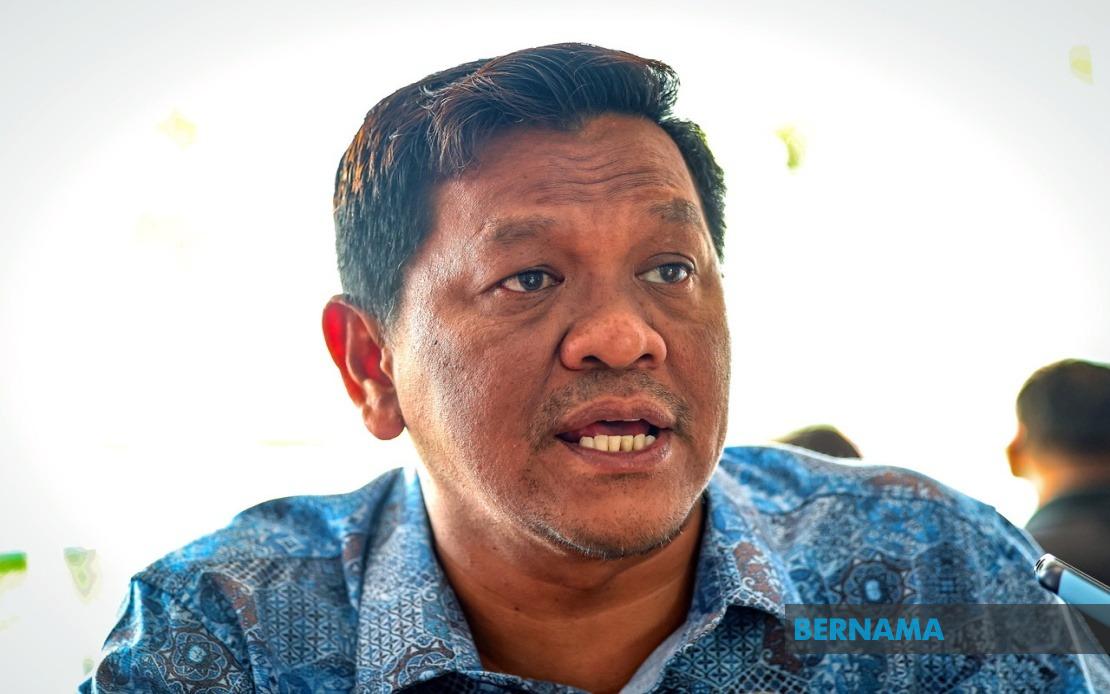
According to Abdullah Izhar Mohamed Yusof, political secretary to the Communications Minister, the initiative reflects broader government priorities centred on citizen welfare and social cohesion. He emphasised that the programme exemplifies the administration's commitment to engaging directly with communities at the grassroots level, moving beyond top-down policy delivery to create meaningful dialogue channels between officials and ordinary Malaysians.
What distinguishes this effort from ad-hoc charity is its stated intention to become a recurring initiative. The government has signalled plans to hold such voucher distributions regularly, indicating a shift towards institutionalised support mechanisms for vulnerable transport-dependent populations. For motorcyclists—a demographic often overlooked in formal welfare discussions—this represents recognition of their economic role and purchasing power challenges in an inflationary environment.
The broader Jiwa@Komuniti event served as more than a simple cash handout. Alongside voucher distribution, the programme featured structured briefings on current policy issues and facilitated dialogue sessions enabling residents to engage directly with representatives from the National Security Council, Information Department (JaPen), and Department of Community Communications (J-KOM). This multi-agency coordination reflects an integrated approach to government communication, where financial assistance is paired with information dissemination and feedback mechanisms.
According to Abdullah Izhar, such engagement platforms serve a dual purpose: they provide communities with verified government information on policies and existing assistance schemes, while simultaneously creating channels for citizens to share concerns and suggestions regarding local development priorities. In an era of competing information sources and misinformation, these structured dialogues aim to establish government narratives as credible and responsive to community needs.
The motorcyclist population in Renggam represents a significant but often marginalised economic segment across Malaysia. Daily commuters, delivery personnel, and informal transport operators face mounting fuel costs that directly impact their household budgets. The RM5 voucher, while modest in absolute terms, carries symbolic weight as government recognition of these pressures. For a motorcyclist managing a tight daily budget, such assistance can determine whether they maintain productive work capacity or reduce economic activity.
Response from beneficiaries reflected genuine appreciation tempered with pragmatism. M. Raja, a 56-year-old father of five from Taman Sri Jaya, expressed gratitude while hoping the initiative would expand to monthly provision. His comments reveal both the acute financial strain faced by working-class households and cautious optimism about government responsiveness. Similarly, Hee Eeck Kwe, 66, from Kampung Baru, emphasised that rural motorcyclists often feel excluded from urban-focused assistance programmes, making targeted outreach particularly meaningful.
For Malaysia's broader development context, this initiative speaks to ongoing debates about inclusive growth and whether economic expansion genuinely reaches informal economy participants. Motorcyclists frequently operate outside structured employment and formal safety nets, making them vulnerable to commodity price shocks and economic downturns. Government assistance targeting this group suggests recognition that macroeconomic indicators mask ground-level hardship for certain populations.
The integration of financial assistance with structured information provision also addresses a critical governance challenge: building public trust through transparent communication. By coupling voucher distribution with policy briefings and feedback sessions, the government attempts to demonstrate that assistance flows from deliberate policy rather than political patronage. This framing becomes increasingly important as Malaysians encounter competing narratives about resource allocation and government priorities.
From a regional perspective, such targeted assistance schemes reflect broader Southeast Asian trends toward cash-transfer programmes and direct citizen engagement. Countries across the region have experimented with voucher systems, conditional cash transfers, and grassroots dialogue forums as tools for addressing inequality and maintaining political legitimacy. Malaysia's approach, linking fuel support to information access and community feedback, represents a hybrid model combining welfare provision with democratic engagement.
Moving forward, the programme's scalability will determine its actual impact. If implemented consistently across multiple states and municipalities, it could meaningfully support informal economy workers. However, if limited to sporadic events in select locations, it risks becoming performative rather than structurally addressing the financial vulnerabilities of transport-dependent workers. The stated intention for regular implementation suggests government commitment, though budget allocation and administrative capacity will ultimately determine reach.
For motorcyclists themselves, this initiative signals that their concerns are politically visible. In Malaysian governance, such visibility can translate into longer-term policy consideration and resource allocation. Whether the RM5 vouchers evolve into more comprehensive support—such as fuel subsidies, income protection schemes, or formal employment pathways—will indicate whether this represents genuine policy reorientation or temporary electoral engagement.
The Renggam programme ultimately reflects a government seeking to connect with citizens beyond headline announcements, using direct assistance as both economic support and engagement tool. Its success will be measured not merely by voucher distribution numbers but by whether it catalyses sustained dialogue between policymakers and the informal economy workers who form Malaysia's economic foundation.

