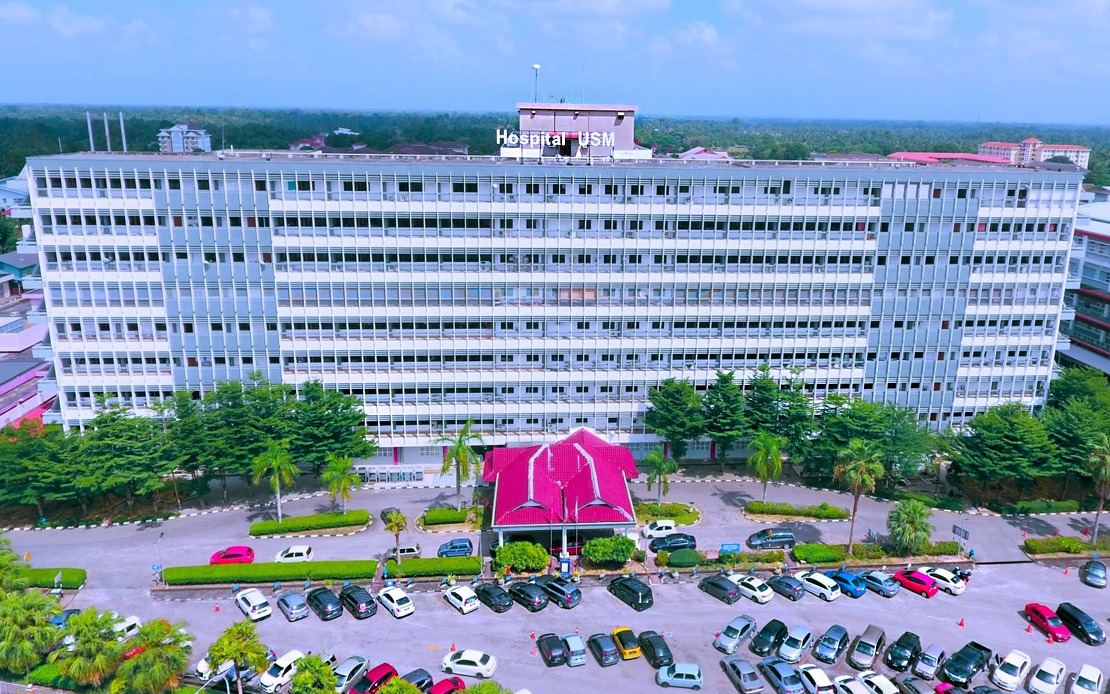
Universiti Sains Malaysia Specialist Hospital (HPUSM) is tackling a persistent healthcare backlog by conducting strabismus surgeries for 23 students across five days starting August 16, marking a decisive intervention in a treatment queue that has historically demanded patients wait anywhere from several months to multiple years. The initiative, dubbed the second Strabismus Surgery Carnival, represents a coordinated push to address eye misalignment conditions among young people in Kelantan, with participants ranging from age seven to nineteen. HPUSM director Datuk Dr Ab Rahman Izani Ghani @ Ab Ghani emphasized the carnival's significance in reducing waiting periods that have long plagued the public healthcare system's ophthalmology services.
The identification of these 23 candidates stems from HPUSM's Short-sightedness and Strabismus Eye Intervention Programme, a systematic school-based screening initiative that has operated throughout Kelantan schools over the preceding three years. During this comprehensive screening effort, ophthalmologists identified approximately 300 students presenting various eye conditions, with strabismus affecting a substantial portion of that cohort. The surgical carnival thus represents a decisive filtering of cases from a larger pool, selecting those requiring immediate intervention to prevent progressive visual and developmental complications.
Strabismus, commonly understood as eye misalignment or the condition where eyes do not focus together properly, extends far beyond the cosmetic concerns that many assume it to be. Prof Dr Shatriah Ismail, a paediatric ophthalmology consultant at USM's School of Medical Sciences, underscored the condition's broader implications for child development and quality of life. Left untreated, strabismus can compromise visual function, impair the coordination mechanisms that allow both eyes to work in concert, and crucially, undermine the psychological development trajectories of affected children during critical formative years.
The psychological dimension deserves particular attention in the Southeast Asian context, where social stigma surrounding visible physical differences remains pronounced in many communities. Children with uncorrected strabismus frequently experience diminished self-confidence, social withdrawal, and difficulties integrating into peer groups—consequences that can reverberate through academic performance, emotional wellbeing, and long-term social adaptation. By addressing the condition during childhood and adolescence, the HPUSM intervention targets a critical window when corrective treatment offers optimal outcomes for both visual and psychosocial functioning.
Financial barriers have historically prevented many Malaysian families, particularly those from lower-income backgrounds, from accessing strabismus surgery in private facilities. The carnival model circumvents this obstacle through collaborative funding arrangements, with the Kelantan Islamic Religious and Malay Customs Council (MAIK) providing the primary financial support, supplemented by contributions from multiple non-governmental organizations. This diversified funding approach illustrates how public institutions can leverage partnerships with religious bodies and civil society to deliver specialist care without imposing out-of-pocket costs on vulnerable households.
The carnival structure itself merits examination as an innovative service delivery model. By concentrating multiple ophthalmology consultants specializing in strabismus, general ophthalmologists, and postgraduate students into an intensive five-day period, HPUSM creates economies of scale that reduce per-patient surgical costs while simultaneously providing valuable training opportunities for developing ophthalmologists. This pedagogical dimension transforms a treatment initiative into a knowledge-transfer exercise, potentially enhancing the regional capacity for strabismus management across Malaysian public hospitals.
The waiting list crisis that prompted this intervention reflects broader systemic challenges within Malaysia's public healthcare system, particularly in specialized surgical services. Strabismus surgery, while relatively straightforward from a technical standpoint, requires trained specialists and dedicated operating theatre time—resources perpetually stretched across competing demands. The accumulation of cases over months and years indicates a fundamental mismatch between surgical capacity and patient volume, a problem affecting numerous elective specialties throughout the public system. The carnival approach, while laudable, functions as a temporary pressure valve rather than a permanent structural solution.
For families in Kelantan, the immediate benefit is tangible: twenty-three young people will receive corrective surgery and avoid the indefinite postponement that has characterized the system's typical trajectory. However, the broader healthcare policy question persists: how can Malaysia's public institutions expand specialist surgical capacity to eliminate multi-year waiting periods as a structural feature? The carnival model demonstrates political will and collaborative capacity but cannot substitute for sustained investment in surgical infrastructure and specialist recruitment.
From a regional perspective, Kelantan's experience resonates across Southeast Asia, where many countries grapple with similar disparities between specialist demand and public provision. The partnership model involving religious councils and NGOs offers a template that other Malaysian states and neighbouring countries might adapt, though implementation will necessarily vary according to local institutional landscapes and funding architectures. The emphasis on school-based screening also underscores the value of integrated public health approaches that identify cases early, before complications compound.
The carnival's second iteration suggests institutional learning and sustained commitment rather than a one-off gesture. Building on experience from the inaugural event, HPUSM has likely refined patient selection criteria, surgical workflows, and post-operative care protocols. This iterative improvement capacity, when applied systematically across multiple such initiatives, can gradually shift public perception and outcomes regarding specialist surgical access in Malaysia's public healthcare system.

