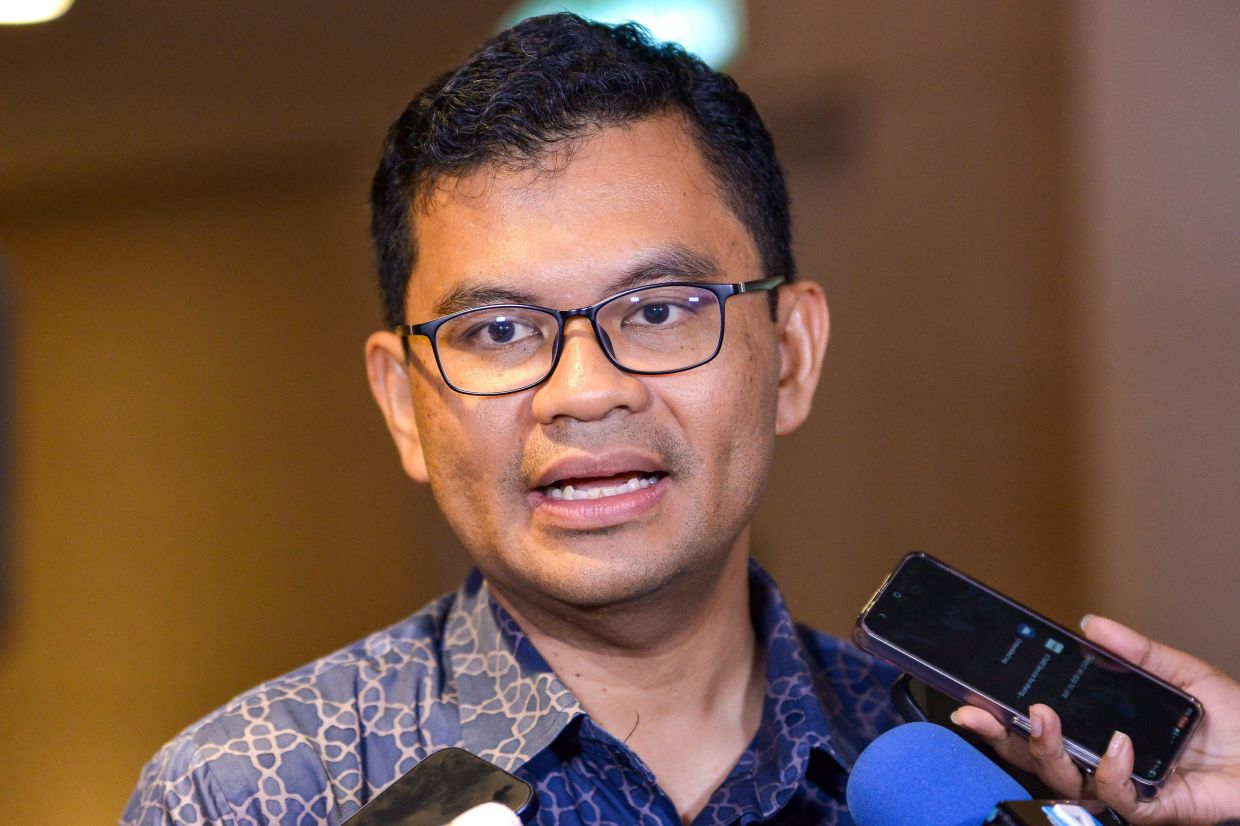
The Malaysian government has allocated renewable energy projects to 42 companies under the 2026 Feed-in Tariff mechanism, a move designed to accelerate the country's energy transition while stimulating significant domestic investment. Economy Minister Akmal Nasrullah Mohd Nasir announced that these awarded projects are anticipated to trigger approximately RM4.3 billion in total capital deployment across the renewable energy sector, marking a substantial commitment to sustainable power generation infrastructure.
The portfolio of successful applicants encompasses three distinct renewable energy categories, each representing a critical component of Malaysia's diversified clean energy strategy. The awarded projects consist of 16 biogas ventures, 11 biomass operations, and 15 small hydropower facilities, collectively representing an approved generating capacity of 331.355 megawatts. This portfolio composition reflects the government's recognition that renewable energy development requires multiple technological pathways tailored to Malaysia's geographical and resource conditions, rather than reliance on any single generation method.
Capacity distribution across the three renewable segments reveals biomass as the dominant contributor, with 135.94 megawatts of approved capacity representing approximately 41 percent of the total project portfolio. Small hydropower projects contribute 169.23 megawatts, accounting for slightly over half of the combined capacity, while biogas ventures provide 26.185 megawatts, highlighting the emerging potential of waste-to-energy systems within Malaysia's industrial and agricultural sectors. This balanced approach addresses different feedstock availability across the country's regions and enables broader economic participation from diverse stakeholder groups.
Beyond direct electricity generation, the FiT mechanism is anticipated to catalyse substantial secondary economic benefits through local manufacturing and employment creation. The awarded projects are estimated to generate approximately RM617 million in demand for domestically manufactured gas engines and boilers, a figure that underscores the government's emphasis on building indigenous supply chains within the renewable energy industry. This demand-side stimulus is critical for nurturing Malaysian manufacturers and technology providers, reducing sectoral dependency on imported equipment and developing competitive advantages in regional renewable energy markets.
The employment dimension of this initiative extends considerably beyond direct construction and operational roles. Akmal Nasrullah indicated that the 42 projects would create approximately 7,738 indirect employment opportunities, encompassing manufacturing, logistics, professional services, and supply chain support functions. These indirect positions often involve higher-skilled roles compared to direct project employment, potentially contributing to workforce upskilling in emerging green technology sectors and positioning Malaysia as a regional hub for renewable energy expertise and manufacturing.
The Sustainable Energy Development Authority has processed a significantly larger pool of applications than ultimately approved, receiving 48 proposals for biogas, biomass, and hydropower resources representing a combined capacity of 370.480 megawatts. This competitive selection process, which resulted in the approval of 42 projects whilst managing 48 applications, demonstrates rigorous evaluation standards and deliberate gatekeeping to ensure project viability. The minister acknowledged that selection criteria incorporated multiple technical and commercial factors, including geographical appropriateness, offered tariff competitiveness, engineering feasibility, and ecosystem readiness to support implementation.
The timeframe for project materialisation carries significant implications for Malaysia's renewable energy trajectory and energy security objectives. According to ministerial statements, SEDA Malaysia anticipates that the awarded projects will achieve grid connectivity between 2029 and 2030, a timeline that extends approximately three to four years from the present. This phased implementation schedule allows for systematic infrastructure development, supply chain mobilisation, and regulatory compliance without overwhelming grid integration capacity, whilst simultaneously maintaining momentum toward Malaysia's broader clean energy targets established in national development frameworks.
The FiT mechanism itself represents a policy instrument designed to provide long-term revenue certainty to renewable energy developers through guaranteed electricity purchase agreements at predetermined rates. By offering tariff stability, the mechanism reduces investment risk for both established industrial players and emerging enterprises, thereby democratising access to renewable energy development opportunities. This framework has proven effective across multiple Asian markets in accelerating deployment of distributed renewable capacity and has attracted Malaysian investors previously cautious about clean energy sector volatility.
For Southeast Asia as a regional context, Malaysia's expansion of its FiT portfolio signals continuing regional commitment to energy diversification amid climate imperatives and international climate commitments. The substantial capital mobilisation associated with these 42 projects demonstrates investor confidence in Malaysian renewable energy fundamentals and tariff framework credibility. This confidence has potential spillover effects, encouraging multinational renewable energy firms to establish regional operational bases within Malaysia and positioning the country as an attractive destination for renewable energy supply chain investment across Southeast Asia.
The investment scale of RM4.3 billion warrants contextualisation within Malaysia's broader energy infrastructure spending and economic development priorities. This capital commitment rivals significant infrastructure projects in competing sectors and reflects elevated governmental prioritisation of energy transition. The emphasis on domestic manufacturing stimulus through RM617 million in equipment demand further distinguishes this renewable initiative as an integrated industrial policy instrument, rather than purely an environmental or energy security measure, thereby addressing multiple national economic objectives simultaneously through aligned policy mechanisms.
The geographic distribution of these 42 projects across Malaysia's states remains undisclosed in ministerial announcements, presenting an analytical gap regarding regional development patterns and sectoral concentration. Biogas development potential, for instance, concentrates in regions with substantial agricultural or industrial processing operations, whilst hydropower capacity remains geographically constrained by hydrology and topography. Understanding project distribution across Peninsular Malaysia, Sabah, and Sarawak would provide clearer insight into how renewable development aligns with existing industrial clusters and regional economic structures, informing assessments of whether the initiative reinforces or mitigates existing regional economic disparities.

