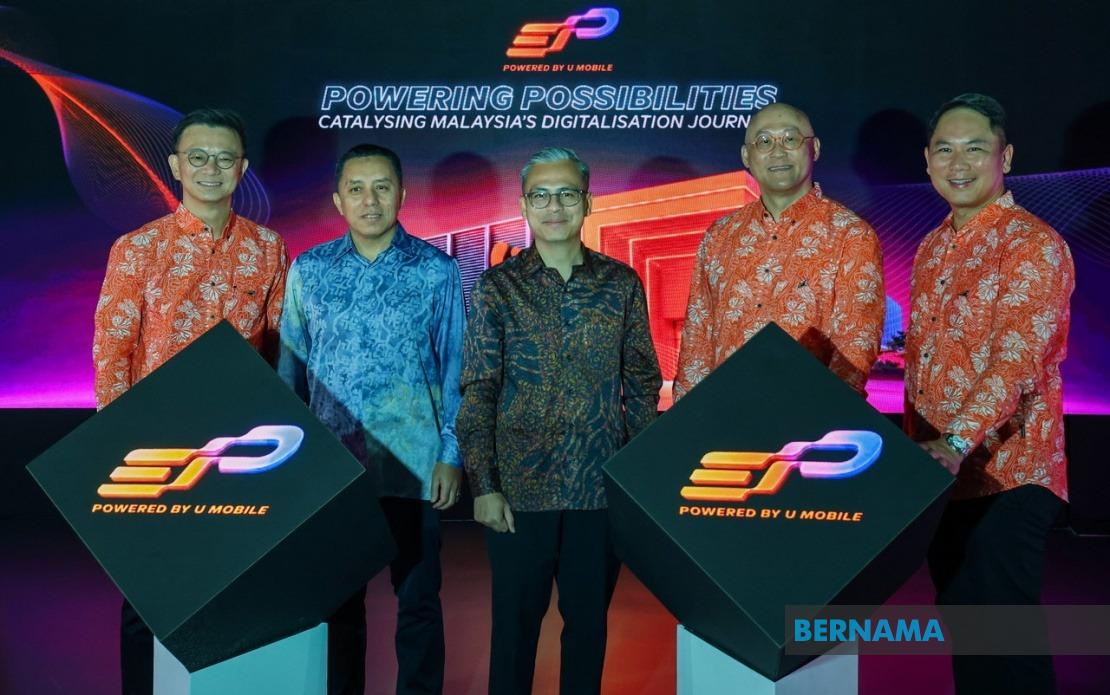
Malaysia stands on the cusp of a technological revolution as Communications Minister Datuk Seri Fahmi Fadzil champions the adoption of 5G Advanced, also referred to as Ultra 5G, as a catalyst for sectoral transformation. Speaking at the launch of the U Mobile Enterprise Innovation Platform Hub in Kuala Lumpur, Fahmi articulated an optimistic vision of how this latest mobile network evolution could reshape operations across the nation's critical industries, particularly agriculture, healthcare, and retail commerce. The minister's remarks underscore the government's strategic focus on leveraging cutting-edge telecommunications infrastructure to enhance Malaysia's competitive positioning in the regional and global digital economy.
5G Advanced represents the next evolution in fifth-generation mobile networks, fundamentally distinguished by its 5G Standalone architecture that delivers capabilities previously unavailable in earlier iterations. Unlike conventional 5G systems that rely on legacy infrastructure, this new standard operates independently with ultra-low latency characteristics, enabling real-time data transmission and processing at speeds that were previously theoretical. The technology further incorporates network slicing functionality, allowing operators to partition physical infrastructure into customised virtual networks tailored to specific applications. Enhanced security powered by artificial intelligence algorithms and double the data capacity compared to standard 5G networks position this technology as a comprehensive solution rather than a marginal upgrade.
Fahmi's enthusiasm for Ultra 5G's application in agriculture reflects the sector's critical importance to Malaysia's economy and food security. Oil palm plantations, which dominate Malaysia's agricultural landscape, currently employ labour-intensive practices that constrain productivity gains. The integration of 5G-powered sensors, drones, and automated systems could fundamentally restructure plantation management, enabling remote monitoring of crop health, soil conditions, and resource utilization. Real-time data analytics would permit precision agriculture techniques that optimize fertilizer application, water distribution, and pest management, consequently reducing input costs whilst boosting yields. For a sector that forms a significant portion of Malaysia's export revenues, such efficiency gains could translate into substantial economic benefits across the supply chain.
Healthcare emerges as another sector where Ultra 5G deployment could generate immediate societal benefits. The minister specifically referenced the technology's potential to alleviate workload pressures on nursing staff within hospital environments. Remote patient monitoring systems powered by ultra-low latency connectivity would enable healthcare providers to track vital signs and clinical metrics from patients' homes, reducing unnecessary hospital admissions whilst freeing nursing resources for more complex care requirements. Surgical applications represent another frontier, with 5G Advanced's minimal latency supporting telemedicine-enabled operations conducted by specialists in distant locations. For Malaysia's healthcare system, which faces resource constraints in rural regions, such applications could democratize access to specialist expertise and improve outcomes across geographically dispersed populations.
Retail commerce would similarly benefit from 5G Advanced's sophisticated data analytics architecture. The technology's enhanced connectivity and processing capabilities enable retailers to implement inventory management systems of unprecedented precision. Real-time tracking of stock movements across multiple distribution points permits demand forecasting that minimizes both overstock situations and stockouts. Consumer behavioural analytics powered by AI-driven systems can identify emerging purchasing patterns, enabling retailers to optimize product placement, pricing strategies, and promotional activities. For Malaysian retailers increasingly competing with e-commerce platforms, such technological advantages offer means to enhance customer experience and operational margins simultaneously.
Beyond commercial applications, Fahmi highlighted 5G Advanced's utility in strengthening Malaysia's border security infrastructure. The minister disclosed that 5G connectivity is already supporting drone operations for surveillance purposes in several locations, with particular application to monitoring border areas. Unmanned aerial systems powered by high-speed, reliable 5G networks can provide persistent surveillance capabilities across vast geographical areas with minimal ground personnel requirements. The Malaysian Border Control and Protection Agency and Royal Malaysia Police could leverage such systems to detect unauthorized crossings, monitor trafficking activities, and respond to security threats with enhanced speed and precision.
The minister emphasized that relevant agencies should formally assess the strategic value and operational suitability of deploying 5G-enabled surveillance technology at border locations. Such assessments would encompass technical feasibility, cost-benefit analysis, and integration with existing security frameworks. Fahmi indicated that the Malaysian Communications and Multimedia Commission stands ready to collaborate with the Home Ministry and other relevant government bodies to expand internet coverage in border regions, addressing infrastructure gaps that currently limit surveillance technology deployment. This commitment suggests a coordinated governmental approach to telecommunications expansion that aligns security imperatives with broader digital infrastructure objectives.
Improved connectivity in remote border areas represents an important secondary benefit of 5G Advanced deployment. Currently, Malaysia's frontier regions often suffer from inadequate telecommunications coverage that impedes economic development and government service delivery. Systematic expansion of 5G networks into these areas would generate spillover benefits extending beyond security applications. Rural communities would gain enhanced access to digital financial services, online education platforms, and telemedicine capabilities. Agricultural activities in border regions would benefit from the same precision agriculture technologies available elsewhere. Such geographic democratization of connectivity aligns with national development objectives aimed at reducing digital divides between urban and rural Malaysia.
The timing of Fahmi's advocacy reflects broader regional developments in 5G adoption. Southeast Asian countries increasingly recognize telecommunications infrastructure as foundational to economic competitiveness and technological sovereignty. Countries such as Singapore have already begun 5G Advanced deployments, whilst others are in advanced planning phases. Malaysia's positioning as a regional technology hub and manufacturing center necessitates parity with peer nations in telecommunications infrastructure. Delayed adoption of Ultra 5G technology risks rendering Malaysian businesses and government agencies technologically disadvantaged in cross-border digital commerce and governance applications.
The launch of U Mobile's Enterprise Innovation Platform Hub symbolizes private sector alignment with government telecommunications objectives. This platform aims to facilitate business access to 5G Advanced capabilities, supporting experimentation and innovation across sectors. Such partnerships between government, telecommunications operators, and enterprise stakeholders create ecosystems conducive to rapid technology adoption and value creation. The hub model could serve as a template for other operators and regions, accelerating Malaysia's overall 5G Advanced deployment trajectory. However, successful platform utilization depends on business awareness and understanding of concrete use-cases demonstrating tangible return on investment.
Adopting 5G Advanced across these sectors presents challenges requiring strategic management. Initial infrastructure investment remains substantial, though costs continue declining as technology matures and competition among vendors intensifies. Workforce capabilities require enhancement, as operating sophisticated AI-enabled systems demands skill-sets not universally available within Malaysia's current employment base. Regulatory frameworks must evolve to address cybersecurity concerns inherent in pervasive connectivity and data collection. Privacy considerations warrant careful attention, particularly regarding surveillance applications in sensitive border regions. Addressing these challenges demands coordinated effort among telecommunications regulators, educational institutions, cybersecurity experts, and law enforcement agencies.
The economic implications of successful 5G Advanced adoption extend beyond individual sectors to systemic competitiveness. Nations that achieve comprehensive deployment within their core economic sectors gain productivity advantages that accumulate over time. Supply chain integration becomes more efficient when all participants possess compatible connectivity standards. Foreign direct investment gravitates toward jurisdictions offering advanced telecommunications infrastructure to multinational enterprises requiring sophisticated digital capabilities. Malaysia's deliberate positioning of 5G Advanced as strategic priority reflects sophisticated understanding that telecommunications infrastructure functions as economic foundation rather than luxury amenity. Sustained commitment to this technology deployment trajectory could yield substantial long-term dividends across multiple dimensions of national economic and security performance.

