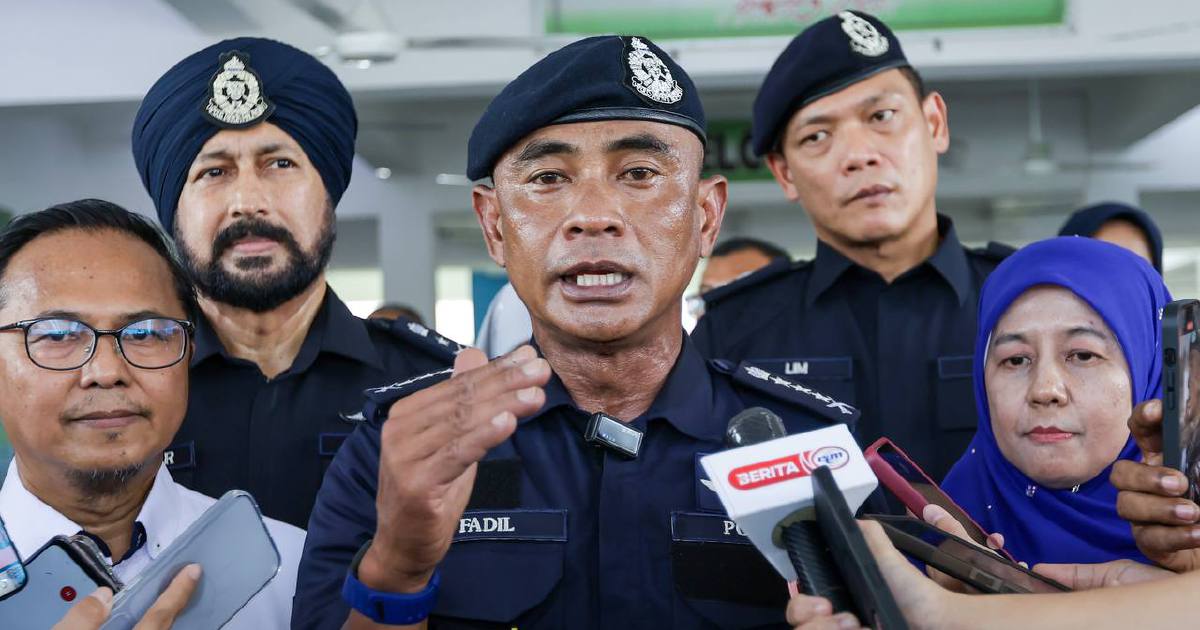
A routine parking disagreement transformed into a full-scale physical altercation at the Viva Home shopping complex in Cheras, prompting authorities to intervene and arrest a dozen individuals. The incident underscores the simmering tensions that can quickly boil over in crowded urban commercial spaces, particularly when scarce parking resources become a flashpoint for conflict.
Police responded swiftly to reports of the disturbance in the parking area, moving to separate the combatants and restore order. The rapid escalation from a simple difference of opinion to actual violence reflects a troubling pattern observed across Malaysian shopping destinations, where tempers fray amid competition for limited parking spots during busy shopping periods. The sheer number of individuals apprehended—twelve men—suggests this was not a minor scuffle but a significant confrontation involving multiple parties.
Such incidents at shopping malls carry particular concern for commercial establishments relying on a welcoming environment to attract customers. Viva Home, a major shopping anchor in the Cheras corridor, serves as a magnet for shoppers across the Kuala Lumpur metropolitan area. When violence erupts within these spaces, it damages the customer experience and raises legitimate safety concerns among regular patrons who expect secure, peaceful environments for their errands and leisure activities.
The parking lot remains one of the most friction-prone zones in modern shopping centres. Motorists' frustrations accumulate as they circle searching for spaces, queue times increase during peak hours, and the confined vehicular environment amplifies minor disagreements. What begins as an irritated horn or a heated exchange of words can rapidly evolve into physical confrontation, particularly if alcohol or other substances are involved or if bystanders choose to intervene on behalf of quarrelling parties.
Investigations into such incidents typically examine the precise trigger for the violence, the identity and relationships of those involved, and whether any weapons were deployed. Understanding these contextual details helps authorities determine whether charges will involve simple affray, rioting, or more serious violent offences. The number of detainees arrested—a full dozen—will require authorities to carefully assess individual culpability and roles during the melee.
Mall management and security teams face considerable challenges in preventing and managing such confrontations. While security cameras and stationed personnel provide a measure of deterrence and oversight, the sheer volume of vehicles and visitors flowing through modern shopping centres creates numerous flashpoints where disputes can ignite. Prevention strategies often focus on improving traffic flow, increasing visible parking options, and implementing technology solutions that guide customers to available spaces, thereby reducing the frustration that fuels conflict.
From a broader Malaysian perspective, parking-related violence reflects the mounting pressures of rapid urbanisation and increasing vehicle ownership across major metropolitan areas. As cities expand and populations concentrate in commercial hubs, the ratio of parking supply to demand becomes increasingly strained. This scarcity generates genuine frustration among drivers competing for premium spots during peak shopping hours, particularly during holiday seasons and weekend periods when foot traffic surges.
The incident also highlights the important role played by public order enforcement in managing urban spaces. Police response times and the willingness to firmly address violent conduct send clear signals about community expectations and the consequences of resorting to physical force. Swift action, coupled with appropriate legal consequences for those involved, reinforces the norm that commercial spaces must remain safe and orderly.
Forward-looking solutions to reduce such incidents involve multiple stakeholders. Shopping mall operators can invest in improved parking infrastructure, including better signage, lighting, and traffic management systems. Local authorities might consider urban planning measures that encourage public transport usage to peak shopping destinations. Community education campaigns reminding drivers about the importance of patience and restraint in traffic situations can also contribute to a cultural shift toward more civil behaviour in contested urban spaces.
As authorities complete their investigation into the Cheras incident, the outcome will likely serve as a cautionary tale about the consequences of allowing minor disputes to escalate into violence. The men arrested will face the judicial process, which may result in fines, jail time, or both, depending on the severity of their alleged involvement. Their cases will proceed through the courts while shopping habits return to normal at Viva Home, though the memory of the disturbance may linger among patrons.

