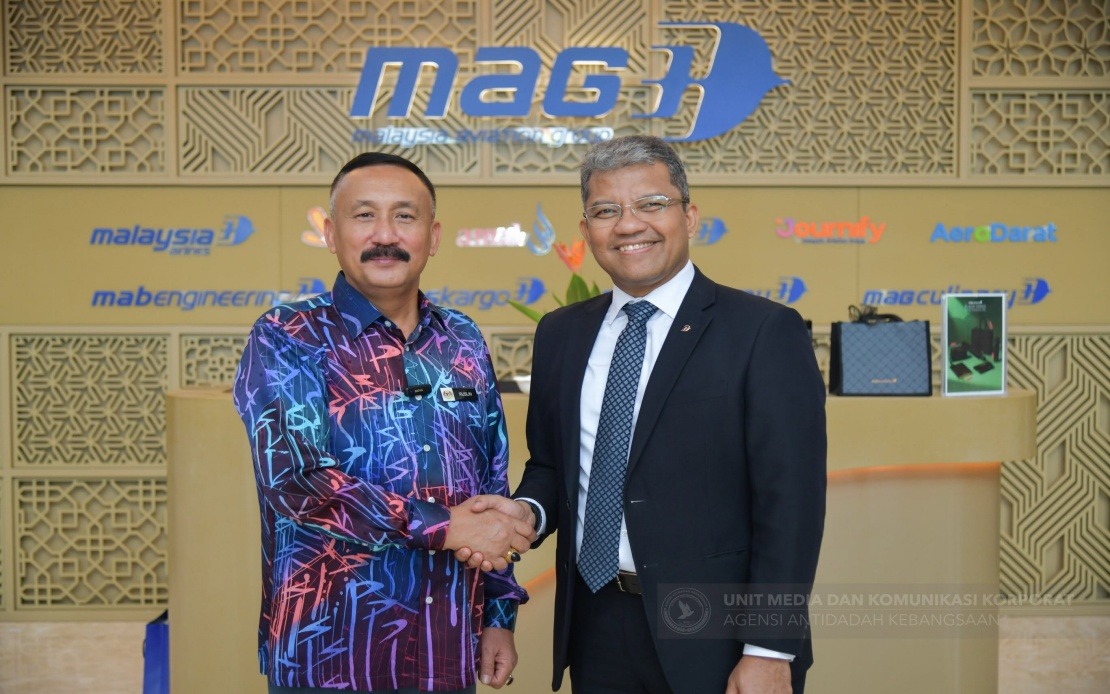
The National Anti-Drugs Agency (AADK) and Malaysia Aviation Group (MAG) have established a fresh partnership aimed at combating drug and substance abuse within the aviation sector, marking a significant step in protecting the integrity of Malaysia's air transport operations. Datuk Ruslin Jusoh, the AADK's director-general, announced the strategic alliance following discussions with MAG chief executive officer Captain Nasaruddin A Bakar at the airline company's headquarters in Sepang, underscoring the mutual commitment both organisations bring to this critical public health and safety endeavour.
The cornerstone of this collaboration centres on a newly signed memorandum of understanding that establishes a comprehensive framework for joint efforts in drug prevention, substance eradication, and community awareness activities. Rather than existing as separate initiatives, the partnership recognises that coordinated action across government agencies and private sector employers creates stronger deterrents and more effective intervention mechanisms. The MoU specifically targets MAG personnel, reflecting the unique vulnerabilities and responsibilities inherent to aviation professionals whose decisions directly influence passenger safety and operational security.
Ruslin articulated that the partnership transcends conventional workplace compliance measures by positioning Malaysia Airlines and the broader aviation group as active participants in the national anti-drugs agenda. His comments revealed ambitions extending beyond internal corporate initiatives to leverage the aviation sector's profile and infrastructure as platforms for broader public messaging around substance abuse dangers. This approach recognises that large employers, particularly those operating in safety-critical industries, possess institutional capacity and visibility that can amplify government health campaigns significantly.
A principal focus of the collaboration involves implementing the Drug-Free Workplace initiative, known locally as TEKAD, across MAG facilities and operations. This programme represents a proactive framework combining employee screening, counselling services, rehabilitation support, and workplace policies designed to foster drug-free environments. For aviation organisations, such initiatives carry heightened urgency given that impaired judgment, reduced alertness, or compromised physical coordination among flight crew or ground personnel pose direct risks to hundreds of passengers simultaneously, distinguishing aviation safety from many other industry sectors.
The timing of this partnership reflects evolving recognition within Malaysia's government and business leadership that substance abuse constitutes not merely a social problem but an occupational safety hazard warranting structured intervention. The aviation industry's global regulatory environment increasingly demands robust internal controls around substance use, with international standards and bilateral agreements with foreign authorities often stipulating mandatory drug testing and prevention programmes. By formalising cooperation with AADK, MAG simultaneously strengthens its domestic compliance credentials and reinforces alignment with international aviation safety benchmarks.
Datuk Ruslin's emphasis on creating safer and healthier work environments for aviation staff acknowledges mounting evidence that workplace drug prevention programmes yield multiple benefits beyond mere risk reduction. Employees accessing support services show improved productivity, reduced absenteeism, and stronger organisational loyalty. For airlines operating within competitive regional markets where operational reliability significantly influences customer confidence and market share, such intangible benefits translate into measurable business advantages alongside the primary objective of protecting passenger safety.
The partnership structure involving AADK deputy director-general (Operations) Zainudin Abdullah and delegations from both organisations indicates institutional commitment at multiple hierarchical levels. This multi-layered engagement suggests the cooperation will extend beyond ceremonial agreements into practical implementation mechanisms, resource allocation, and regular performance monitoring. Such depth of commitment proves essential for sustaining momentum beyond initial announcement phases, particularly when initiatives require behavioural change among large employee populations accustomed to established practices.
For Malaysia's aviation sector specifically, this collaboration carries strategic implications within regional competition dynamics. Airlines across Southeast Asia increasingly differentiate themselves through operational transparency, safety credentials, and employee welfare standards to attract international business and maintain investor confidence. AADK-MAG partnership positioning provides Malaysia Airlines competitive advantages in demonstrating institutional commitment to occupational health and safety standards that appeal to quality-conscious passengers and corporate travel procurement managers across Asia-Pacific markets.
The initiative also reflects Malaysian policymakers' sophisticated understanding that effective drug control requires coordination across multiple societal institutions rather than relying exclusively on law enforcement mechanisms. By engaging employers, particularly in internationally-regulated sectors like aviation, authorities multiply intervention touchpoints where substance abuse can be identified, addressed, and prevented. This preventive orientation complements traditional enforcement approaches while addressing root causes underlying employee vulnerability to substance abuse, including occupational stress, fatigue, and psychological pressures inherent to aviation work.
Implementing such partnerships at scale across Malaysia's workforce presents both opportunities and challenges requiring sustained attention from both organisations. Training ground staff and flight crew to recognise substance abuse indicators among colleagues, establishing confidential reporting mechanisms that encourage rather than stigmatise help-seeking, and ensuring rehabilitation pathways maintain employee dignity while protecting operational safety all demand considerable institutional investment and cultural sensitivity. Success metrics extending beyond simple compliance statistics to measure genuine improvements in employee health and workplace culture will prove essential for assessing whether this partnership achieves its stated aspirations of strengthening Malaysia's aviation sector and broader national drug prevention efforts.

