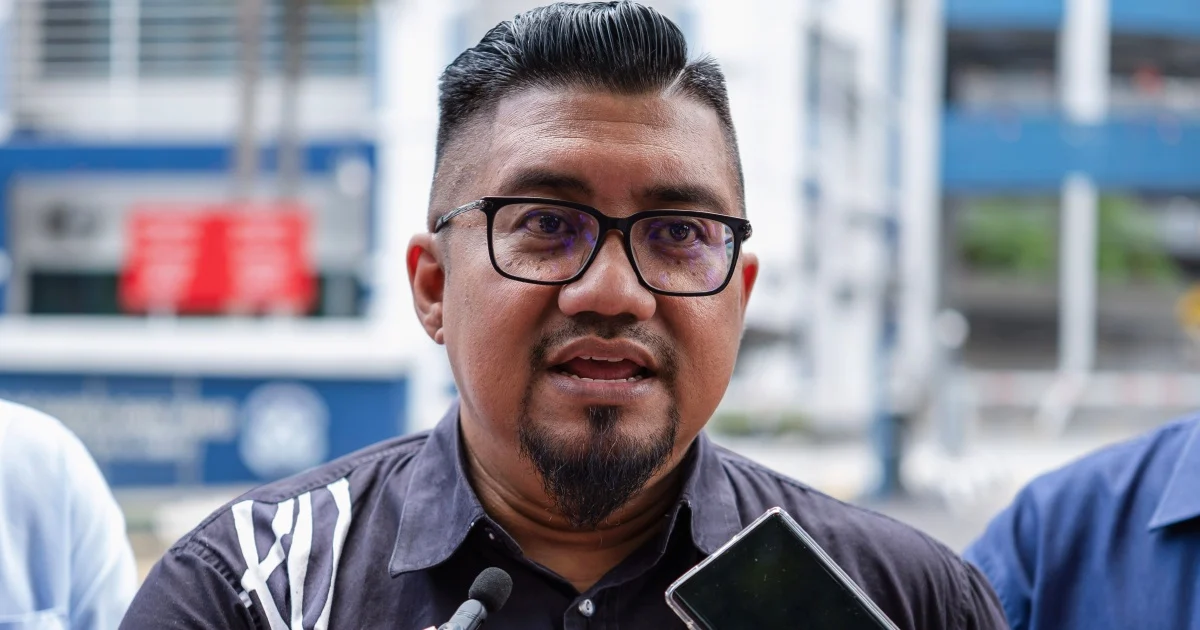
Political activist Badrul Hisham Shaharin, commonly known as Chegubard, appeared before the Sessions Court in Seremban today and formally pleaded not guilty to accusations that he published seditious material on Facebook targeting the Negeri Sembilan Royal Institution. The court proceedings mark another chapter in an ongoing legal challenge faced by the activist, whose online presence has frequently drawn scrutiny from Malaysian authorities over the years.
The charge carries serious implications under Malaysian law, as sedition offences are prosecuted with considerable vigour by the relevant authorities. Publishing content deemed seditious—material intended to incite disaffection against rulers or the established order—remains a contentious issue in Malaysian legal discourse, balancing concerns about national stability against questions about freedom of expression. Chegubard's case exemplifies the ongoing tension between activist voices and the state's interpretation of what constitutes permissible public commentary.
Chegubard has long positioned himself as a vocal commentator on Malaysian political and social issues, building a significant following through his social media channels. His previous activities have encompassed criticism of governance, questioning of official narratives, and broader challenges to the political establishment. This particular case centres on allegations that specific Facebook posts crossed the threshold from legitimate criticism into seditious territory—a distinction that remains disputed and heavily dependent on judicial interpretation.
The Sessions Court hearing represents the formal entry into the criminal justice process, where the defence has now signalled its intention to contest the allegations rather than seek a negotiated resolution. This approach suggests the defence team believes the evidence does not substantiate the sedition charge or that the posts fall within legally protected speech. The not guilty plea sets the stage for what may become a protracted legal battle involving examination of the specific posts, expert testimony on their meaning and intent, and broader constitutional questions about political expression.
Negeri Sembilan's royal institution occupies a significant constitutional position within Malaysia's federal framework. As one of nine states with hereditary monarchies, the Negeri Sembilan sultanate forms part of the complex system through which Malaysia's Yang di-Pertuan Agong is elected. The institution carries substantial ceremonial, symbolic, and practical authority, and Malaysian law provides robust protections against perceived attacks on royal dignity and legitimacy. Prosecutors alleging sedition likely argued that Chegubard's Facebook content breached these protections.
The timing and nature of such charges frequently generate broader debates within Malaysia's civil society and international observer communities. Rights advocates have consistently raised concerns about the use of sedition laws to suppress legitimate political discourse, while government officials maintain that such statutes are essential for preserving national harmony and constitutional order. Chegubard's case will likely become a focal point for these competing narratives, attracting attention from various stakeholder groups with differing perspectives on Malaysian political freedoms.
From a regional perspective, Malaysia's approach to online political speech carries implications beyond its borders. Southeast Asian nations grapple similarly with questions about regulating social media content, protecting state institutions, and accommodating pluralistic political discourse. The outcome of Chegubard's case may signal how Malaysian courts interpret the intersection of these concerns, potentially influencing legal strategies and risk calculations for activists and commentators throughout the region.
The defence's immediate not guilty plea suggests confidence in its legal position or, alternatively, a commitment to challenging the charges through the full judicial process rather than seeking expedited resolution. The court will now proceed toward trial, during which prosecutors must establish beyond reasonable doubt that the Facebook posts constituted seditious publication and that Chegubard bear responsibility for their dissemination. The defence will have opportunity to examine the evidence, cross-examine witnesses, and present counter-arguments regarding the posts' meaning and protected status.
Chegubard's continued activism despite previous legal challenges demonstrates the persistence of certain voices within Malaysia's political landscape. His willingness to contest sedition charges rather than capitulate reflects broader patterns among activist communities that continue engaging in controversial speech despite legal risks. This persistence, in turn, keeps Malaysia's legal and political establishment responding to challenges from civil society actors.
The broader question of how Malaysian courts balance institutional protection against expressive freedom remains unsettled. Sedition law reform has been periodically discussed but never enacted, leaving the legal framework largely unchanged despite evolving social media landscapes and growing public engagement with political commentary online. Chegubard's case may prompt renewed conversations about whether existing legislation adequately distinguishes between seditious incitement and protected critical speech, or whether the legal framework requires modernisation to reflect contemporary communication practices.
As the case progresses through the judicial system, observers will monitor not only the verdict but also the reasoning judges employ in interpreting the sedition statute's application to social media content. The decision will carry implications for how Malaysian courts assess online political speech going forward, particularly regarding content targeting constitutional institutions. Whether the court determines that Chegubard's posts merit prosecution or constitute protected expression will substantially influence the landscape for political discourse in Malaysia throughout the coming years.

