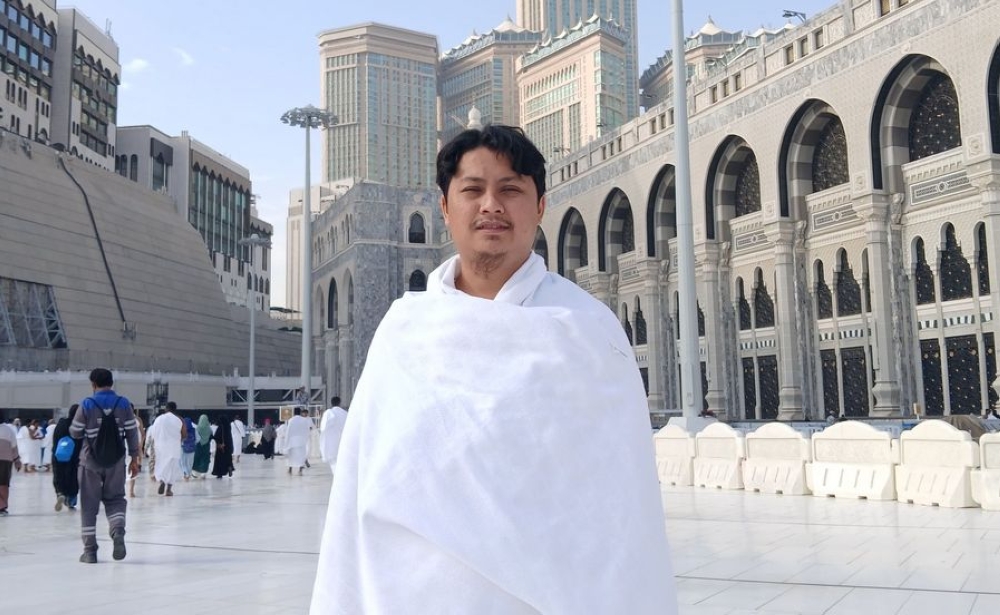
The arrest of activist Tamim Dahri Abdul Razak in Alor Setar on July 20 marks a significant escalation in a case that has drawn scrutiny from civil liberties advocates. Police moved swiftly to re-arrest the activist the moment his two-day remand expired, a procedural step that underscores the seriousness with which authorities are treating the investigation. The decision to secure his person once again suggests that investigators believe they have sufficient grounds to proceed with formal charges, which are anticipated within the coming day.
The immediate re-arrest without an intervening release reflects standard police practice when authorities determine that a suspect requires continued detention for the purpose of laying charges or conducting further interrogation. The timing of such actions often hinges on the completion of investigative work, statement recording, and consultation with the public prosecutor's office regarding the strength of the case. In Tamim Dahri's situation, the rapid transition from remand to re-arrest indicates that the investigating officers have maintained momentum in building their case file.
Tamim Dahri Abdul Razak has established himself as a prominent voice within Malaysia's civil society landscape, engaging in activism focused on governance and accountability issues. His detention comes at a time when questions about the treatment of activists and the scope of police powers during investigations continue to animate public discourse in the country. The case will likely draw attention from local and international observers monitoring Malaysia's approach to dissent and free expression.
The specifics of the charges that authorities intend to bring against Tamim Dahri remain unclear at this stage, though the decision to pursue re-arrest and formal charges suggests involvement in conduct that police believe violates applicable legislation. Malaysian law provides various mechanisms through which authorities can pursue activists, ranging from provisions related to public order and assembly to statutes addressing sedition or online speech. The precise nature of the allegations will become apparent when charges are formally presented before a magistrate.
From a procedural standpoint, the re-arrest preserves the suspect's legal status within the criminal justice system while formal documentation is completed. This administrative action serves multiple purposes: it maintains custody pending the filing of charges, ensures the accused's availability for initial court appearance, and allows prosecutors additional time to review case materials and consult with investigating officers. The process reflects the structured progression built into Malaysia's criminal procedure framework.
The case touches on broader conversations within Southeast Asia regarding the balance between maintaining public order and protecting fundamental freedoms. Malaysia, as a signatory to international human rights instruments, faces ongoing scrutiny regarding detention practices, investigative methods, and the application of law enforcement powers. Activist detentions generate particular attention because they implicate questions about whether authorities are employing criminal law to suppress legitimate political expression rather than to address genuine threats to public safety.
Civil society organisations and rights groups often monitor such cases closely, recognising that how authorities handle activist detention sets precedents affecting the broader operating environment for civic engagement. The procedures followed—whether remand requests are adequately justified before judicial authorities, whether detained persons have meaningful access to legal representation, and whether investigative practices comport with constitutional protections—all contribute to the overall assessment of the rule of law's health within a jurisdiction.
For Malaysian readers and regional observers, the trajectory of Tamim Dahri's case offers insight into how contemporary challenges of governance, accountability, and dissent are being managed through the formal criminal justice apparatus. The case will provide opportunity to assess whether investigative and prosecutorial decisions reflect proportionate responses to alleged misconduct or whether they demonstrate patterns suggesting activism itself is being treated as problematic conduct warranting state intervention.
The expected charging of Tamim Dahri tomorrow will represent a pivotal moment when the nature of the allegations becomes public and when questions about evidence, legal sufficiency, and appropriateness of prosecution can be more substantively evaluated. Until formal charges are presented, the substance of the case remains largely opaque, though the decision to proceed with re-arrest and charging indicates that investigating officers and the public prosecutor have determined that prosecutable conduct is indicated.

