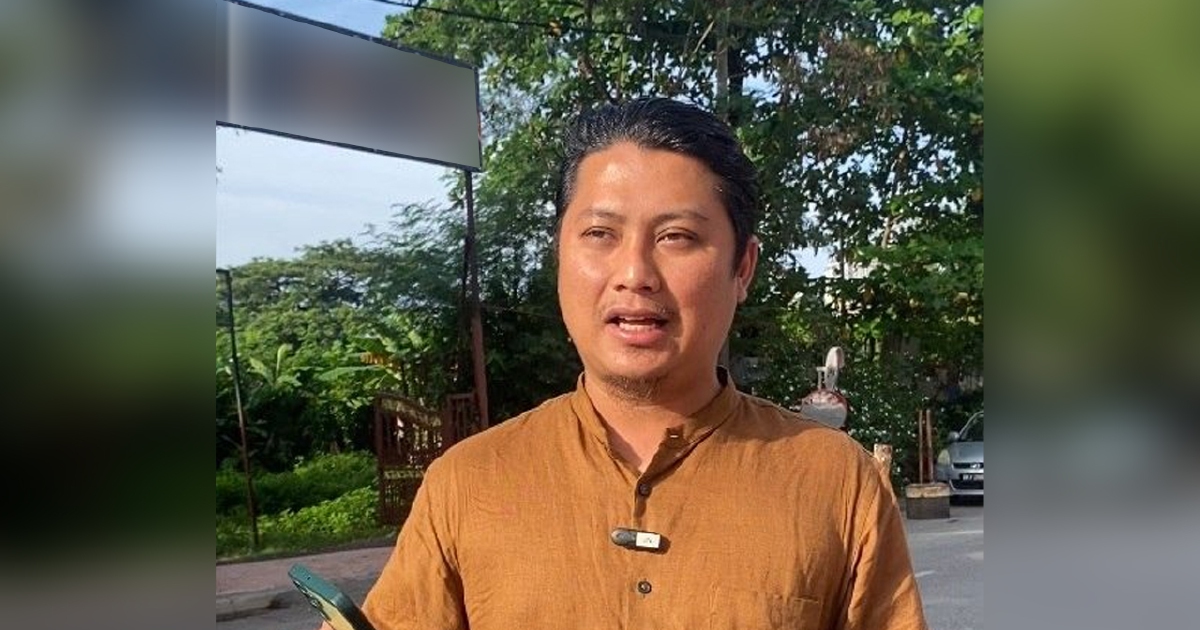
Langkawi magistrate's court is scheduled to hear charges against prominent activist Tamim Dahri Abdul Razak in connection with allegations that he committed an act designed to insult another religion. The case represents a separate legal matter from an earlier Facebook-related threat investigation, which had prompted speculation that Dahri had left Malaysia.
Dahri's appearance in court marks a significant development in a series of legal challenges facing the activist. The charges he faces are distinct from previous matters that drew public attention, particularly the social media case that led observers to believe he had fled the country. His return to face the courts signals a shift in the legal proceedings surrounding his activities.
The specifics of the alleged religious insult remain subject to court proceedings, but the case underscores Malaysia's complex legal landscape regarding religious sensitivities. The nation has extensive legislation protecting religious sentiments, with various laws addressing defamation, insult, and disrespect toward religions practised in the country. These statutes, including provisions under the Penal Code and state-level religious enactments, play a significant role in shaping public discourse and accountability.
For Malaysian activists and civil society observers, the case highlights the tensions between freedom of expression and religious protection laws. Malaysia's constitutional framework guarantees freedom of speech, yet simultaneously provides robust safeguards for religious beliefs and practices. Navigating this balance has proven challenging for public figures who engage in contentious social and political commentary, particularly when their statements touch upon religious matters.
The Langkawi proceedings will be closely monitored by civil liberties advocates and religious communities alike. Different stakeholders interpret such cases through distinct lenses—some view them as necessary protections against deliberate provocation, while others regard them as potential constraints on legitimate discourse. The court's handling of this matter may offer insights into judicial interpretation of these sensitive boundaries.
Dahri's earlier experiences with legal proceedings have established him as a figure of considerable controversy within Malaysian society. His activism and public statements have generated substantial debate, with supporters viewing him as an important voice willing to challenge established norms, while critics contend his remarks cross lines of respect and decency. The combination of cases he now faces suggests mounting legal exposure for individuals engaged in provocative public advocacy.
The religious dimension of these charges carries particular weight in Malaysia's multicultural context. The country's delicate religious balance, encompassing Islam as the faith of the federation alongside significant Christian, Buddhist, Hindu, and Sikh populations, requires careful management of interfaith relations. Legal frameworks have been structured to protect this equilibrium, though they occasionally generate international scrutiny regarding their application and proportionality.
For Southeast Asian readers, the case demonstrates how individual nations address the intersection of activism, free speech, and religious protection. Malaysia's approach differs markedly from some regional neighbours, reflecting its particular constitutional arrangement and historical development. Understanding these distinctions proves valuable for anyone engaged in cross-border commentary or advocacy within the region.
The timing of Dahri's court appearance, following the earlier threat-related investigation, suggests that Malaysian authorities are systematically addressing multiple concerns regarding his conduct. Whether these represent coordinated prosecutorial strategy or independent cases pursued through separate channels remains unclear. The outcomes could influence how similar matters are handled in future, potentially establishing precedents for enforcement of religious protection statutes.
Activist communities and legal observers will likely scrutinise the evidence presented, legal arguments advanced, and judicial reasoning employed in this case. The judgment could carry implications extending beyond Dahri's individual circumstances, potentially affecting how courts interpret and apply religious protection laws in subsequent cases. Such landmark decisions often shape the boundaries of acceptable public discourse for extended periods.
For civil society organisations focused on human rights and freedom of expression, the proceedings represent an opportunity to engage with Malaysia's legal system regarding these fundamental tensions. Many such groups maintain that while religious protection deserves respect, laws addressing religious insult require careful calibration to avoid disproportionate restrictions on legitimate criticism, debate, and advocacy. The court's approach will contribute to ongoing discussions about these crucial balance points.
As Langkawi magistrate's court prepares to hear this matter, the case exemplifies how Malaysia continues grappling with complex questions about the limits of permissible expression. The decision and reasoning provided by the court will resonate beyond the immediate parties involved, influencing how public figures, activists, and ordinary citizens navigate the intersection between speaking freely and respecting religious sensitivities in this diverse society.

