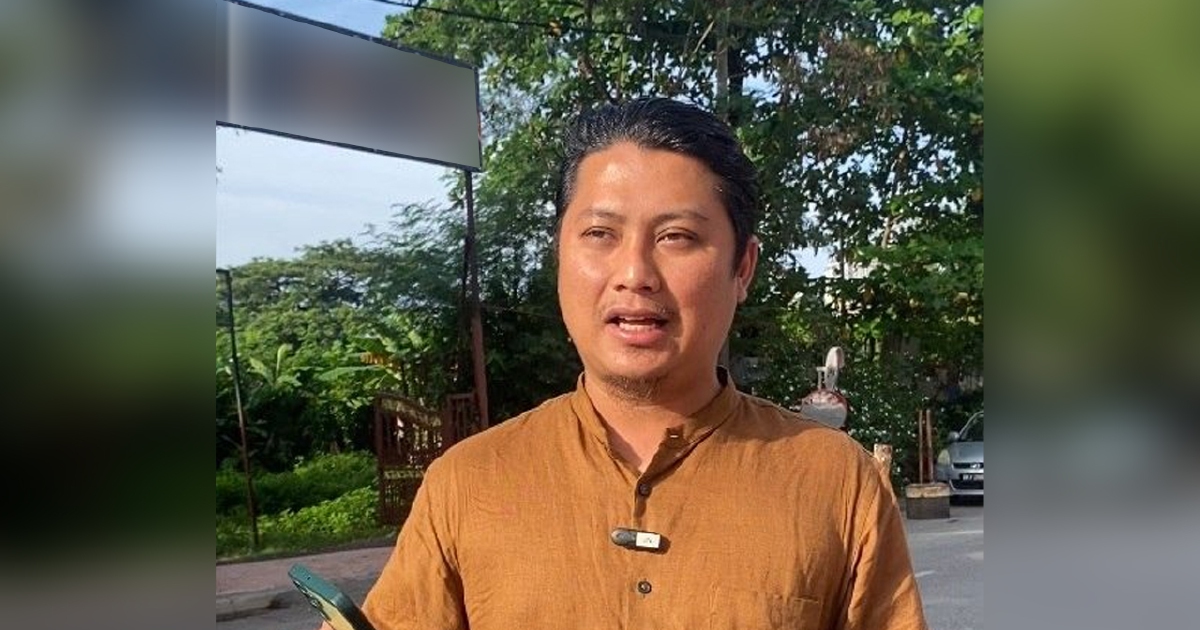
Activist Tamim Dahri Abdul Razak is scheduled to appear before Langkawi magistrate's court on charges related to allegations that he committed an act intended to insult the religion of another person. The development comes as authorities pursue the case independently of an earlier incident involving Facebook-related threats that had prompted the activist to reportedly leave the country.
The decision to bring charges against Tamim at the Langkawi court represents an escalation in legal action against the high-profile activist, who has been vocal on social and religious matters. The magistrate's court venue suggests that while the allegations are serious, they fall within the jurisdiction of the lower courts rather than requiring a higher tribunal. This distinction carries implications for sentencing guidelines and the procedural path the case will follow through Malaysia's legal system.
Religious insult cases in Malaysia operate within a carefully defined legal framework that balances free speech with protections for religious sensibilities. The relevant statutes have become increasingly utilized in recent years as prosecutors and complainants seek to address perceived slights against faith communities. For individuals like Tamim, who operates within activist circles where commentary on social issues frequently intersects with religious discourse, the legal exposure has widened considerably.
The circumstances surrounding Tamim's earlier departure overseas, triggered by the Facebook threat matter, had left questions about his legal status and availability for prosecution. His anticipated appearance in Langkawi suggests that either he has returned to Malaysia voluntarily or that authorities have located and secured his presence for the proceedings. This development signals a continuation of official scrutiny that extends across multiple legal fronts.
For Malaysian civil society observers, the case exemplifies the tension between activist expression and the limits imposed by laws protecting religious sentiment. Tamim's profile within activist networks means that the outcome of this prosecution will likely influence how other individuals gauge their own speech boundaries when discussing religion in public forums. The legal precedent established may shape discourse practices across social media and public platforms.
The separation of this charge from the earlier Facebook threat case underscores how activists may face cumulative legal exposure across different incidents and allegations. Each case develops independently within the court system, though they may stem from overlapping circumstances or the same period of activity. This multiplicity of proceedings can intensify pressure on defendants and complicate their legal defence strategies.
Within the Southeast Asian context, Malaysia's approach to religious insult statutes reflects regional patterns where many nations maintain similar legal protections. However, the application and interpretation of such laws vary significantly across jurisdictions. Analysts monitoring civil liberties in the region often flag cases like Tamim's as indicators of how far authorities will extend these protections and what margins of expression remain protected.
The Langkawi magistrate's court location carries particular significance given the jurisdiction's role in handling such matters. As a smaller court system compared to Kuala Lumpur's, cases in Langkawi proceed with their own administrative rhythms and local judicial approaches. The choice of venue may influence procedural efficiency, local media attention, and the composition of the judicial approach to the allegations.
For Malaysian activists and civil society organizations, developments in Tamim's case carry immediate practical consequences. Legal advisors working with advocacy groups will likely use the charge details and court proceedings as reference points for counselling other clients on acceptable speech boundaries. The uncertainty surrounding what constitutes actionable insult versus protected commentary creates a chilling effect that extends beyond Tamim himself.
The intersection of activism and religious sensitivities remains one of the most legally fraught areas in contemporary Malaysia. While authorities argue that such laws protect sincere religious believers from deliberate harm, critics contend that vague definitions of insult can suppress legitimate social discourse. Tamim's prosecution will likely generate discussion on both sides of this fundamental divide.
As the case unfolds in Langkawi, attention will focus on how prosecutors present their evidence of alleged insult and what specific conduct they identify as crossing legal boundaries. The defence's response and the magistrate's interpretation of applicable law will shape not only Tamim's immediate legal fate but also broader understanding of where Malaysia's courts currently draw the line on religious speech protections. The proceedings are likely to attract scrutiny from regional human rights monitors and international observer organizations tracking freedom of expression trends in Southeast Asia.

