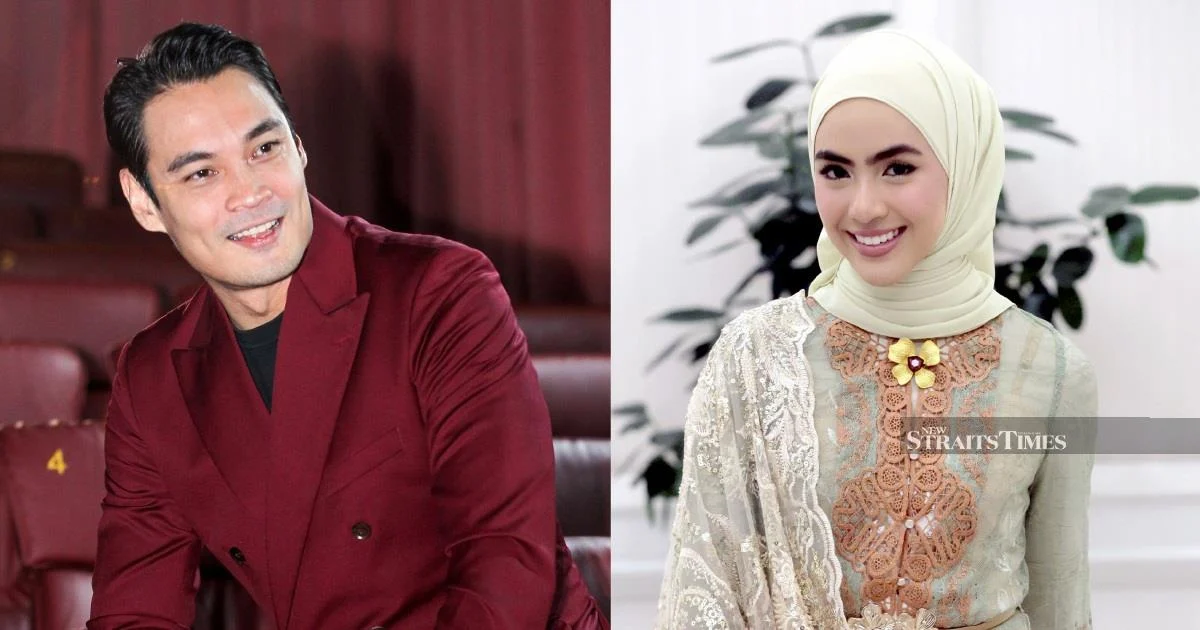
Actor Hisyam Hamid has publicly rejected viral allegations suggesting he paid a visit to the residence of actress Erysha Emyra, with the performer voicing considerable displeasure at being implicated in what he characterises as unfounded gossip. The claims, which gained traction across the Threads social media platform, appear to have sparked concern among the Malaysian entertainment fraternity, prompting the actor to issue a forthright denial.
The proliferation of such rumours underscores an ongoing challenge within Malaysia's digital media landscape, where unverified claims can rapidly gain momentum through social platforms before factual verification occurs. Threads, Meta's text-based social network launched as a competitor to X, has emerged as a venue where celebrity gossip frequently circulates with minimal oversight. This particular story exemplifies how quickly narratives can spiral beyond their original context when amplified through algorithmic feeds and user-sharing networks.
For Hisyam Hamid, the timing of these allegations represents a frustrating intrusion into his professional life. Rather than allowing such claims to fester unanswered, the actor took the proactive step of directly addressing the rumour through public channels, a strategy increasingly adopted by Malaysian celebrities seeking to control their narrative in an age of rapid information dissemination. His characterisation of the allegations as "baseless" signals both a categorical denial and a broader commentary on the recklessness of spreading unverified information about public figures.
The dynamics of celebrity culture in Malaysia have shifted considerably in recent years, with social media platforms enabling rapid rumour-mongering alongside genuine fan engagement. What might previously have remained confined to industry whispers or tabloid speculation now instantly reaches hundreds of thousands of users simultaneously. For actors like Hisyam Hamid, managing one's public image requires constant vigilance and the willingness to respond swiftly when misinformation emerges.
Erysha Emyra's position in this controversy remains peripheral based on available information, though the naming of a specific co-star suggests the rumour was rooted in their professional relationship—possibly drawing from scenes they appeared in together or public appearances at industry events. Such rumours frequently exploit the familiar working relationships between actors, transforming ordinary professional contact into fodder for speculative gossip. The baselessness of the claim likely stems from this fundamental misrepresentation of everyday industry interactions.
The incident also highlights the responsibility facing media platforms in moderating celebrity-related content that could constitute defamation or invasion of privacy. While Threads operates with relatively lighter moderation compared to some competitors, the platform's role in amplifying unsubstantiated claims warrants examination. Malaysian content creators and users operate within a regulatory environment that includes provisions against false statements, yet the speed of information spread often outpaces legal recourse.
For Malaysian audiences, the incident serves as a reminder of the importance of critically evaluating information encountered on social media, particularly claims involving public figures' private lives. The entertainment industry's intersection with digital culture has created an ecosystem where perception can quickly become distorted when verification protocols are bypassed. What begins as speculation can snowball into seemingly established fact simply through repeated sharing and discussion.
Hisyam Hamid's response demonstrates a professional approach to addressing reputational concerns, setting a precedent for other Malaysian entertainers facing similar situations. By firmly denying the allegations and labelling them "baseless," he establishes a clear factual record while signalling that he takes such matters seriously enough to respond publicly. This contrasts with strategies some celebrities employ of ignoring gossip entirely, though the effectiveness of each approach varies depending on circumstances and audience perception.
The broader implications of this incident extend beyond the individuals directly involved, touching on questions about celebrity privacy, the ethics of speculation, and the accountability of digital platforms operating in Malaysia. As the country's entertainment industry continues adapting to social media-driven culture, instances like these illuminate ongoing tensions between public interest in celebrity lives and the rights of performers to control their personal narratives. The conversation surrounding unverified claims serves as a useful calibration point for discussing media literacy and responsible digital citizenship within Malaysian society.

