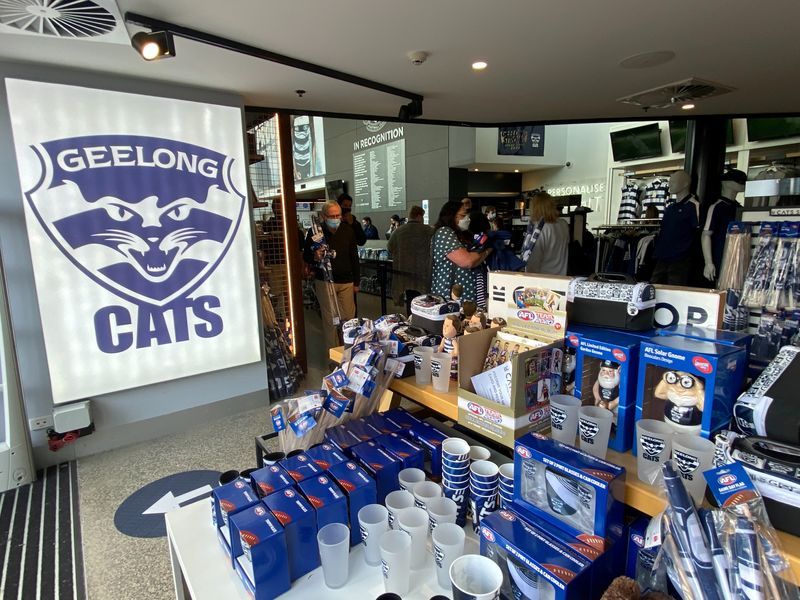
The Australian Football League has handed down a A$140,000 ($100,500) fine to the Geelong Cats after an independent investigation uncovered serious procedural breaches involving a concussion liability waiver that the club failed to properly disclose to league authorities. The penalty comes two years after Geelong signed an undisclosed "informed consent letter" with championship-calibre player Jake Kolodjashnij that effectively waived his legal rights regarding concussion-related injuries, an arrangement that only became public when reported by Melbourne's Herald Sun newspaper earlier this month.
The arrangement centred on a contract variation that included acknowledgement of inherent risks in elite-level Australian Rules football. Kolodjashnij, who had experienced multiple concussions during his career at the club, had been medically cleared to continue playing by an AFL-appointed panel before the club negotiated the extension of his contract through to the end of the 2026 season. However, the AFL Commission's independent review determined that Geelong violated league regulations by entering into an unauthorised contractual variation and failing to lodge the document with both the AFL and the Australian Football League Players' Association.
AFL Commissioner Paul Bassat acknowledged in his statement on Thursday that while the investigation found no deliberate intent to conceal the letter or deceive league officials, the clear breach of established rules necessitated a substantial financial penalty. The commission emphasised that all clubs are bound by regulations and processes specifically designed to safeguard player welfare and preserve the sporting competition's integrity. This stance reflects growing scrutiny of how professional sports organisations handle health and safety obligations, particularly regarding accumulated head injuries that may cause long-term neurological harm.
The case has created an awkward institutional dynamic within AFL governance. Craig Drummond, who currently chairs the AFL Commission, served as Geelong's president at the time the waiver was signed. He immediately recused himself from the investigation and disciplinary process, while separately issuing an apology earlier this month for the club's mishandling of the consent letter procedures. This conflict of interest, though ultimately managed through Drummond's withdrawal, underscores structural vulnerabilities in how sporting bodies regulate themselves when senior officials have past connections to clubs under investigation.
Geelong's stated position throughout the controversy has focused on framing the arrangement as a protective measure. Club officials contended that their primary motivation was delivering comprehensive care and support to the player while respecting his agency in decisions affecting his own career trajectory and playing future. This narrative, however, sits uneasily alongside the fact that the document remained confidential and was not submitted through official channels, raising legitimate questions about whether genuine transparency was genuinely offered to the player or whether the arrangement primarily served the club's interests.
Kolodjashnij's experience throughout this ordeal reflects the precarious position players occupy when medical and contractual considerations intersect. The player has not featured in Geelong's lineup since July, and he released a statement approximately three weeks ago indicating he remained in good health and committed to his role with the club. Yet his primary complaint focused on the breach of his privacy, expressing disappointment that sensitive medical information entered the public domain through media reporting rather than through any transparent disclosure process he had presumably consented to.
The Australian Football League Players' Association has positioned itself as a steadfast advocate for Kolodjashnij's interests. AFLPA chief James Gallagher stated on Thursday that the union continues offering comprehensive support to the player and emphasised that Kolodjashnij should never have been positioned in circumstances requiring such a waiver. This intervention reflects broader union concerns about power imbalances between employers and athletes, particularly regarding health safeguarding in a sport where repetitive head trauma represents a documented occupational hazard.
The concussion liability question extends far beyond this single incident or even the AFL itself. Across multiple professional sports globally, repetitive head trauma and its long-term neurological consequences have triggered substantial litigation. More than one hundred former AFL players initiated a class action lawsuit in 2023 seeking damages for injuries, financial losses, and ongoing health impacts allegedly sustained through concussions accumulated during their playing careers. These plaintiffs contend that the league and its constituent clubs failed to implement adequate protective measures or provide sufficient education about head injury risks.
The AFL's institutional response to these mounting legal pressures has combined defensive positioning with financial commitment to research initiatives. League leadership maintained that the organisation takes its duty of care obligations seriously and pledged that any established wrongdoing would result in accountability. Simultaneously, the AFL committed A$25 million toward investigating the long-term effects of concussions and head knocks on player health, representing a significant if delayed acknowledgement of the issue's seriousness and potential financial exposure the league faces.
For Malaysian and broader Southeast Asian sports governance, the Geelong case offers instructive lessons about the risks of ad hoc institutional arrangements that bypass established transparency requirements. As professional sports in the region develop more sophisticated commercial and employment frameworks, ensuring that player safety protocols remain centralised, documented, and subject to independent oversight becomes increasingly critical. The financial penalty and reputational damage Geelong has sustained should prompt reflection among regional sports bodies about whether their own player protection mechanisms contain comparable structural vulnerabilities that might only become apparent after public controversy.

