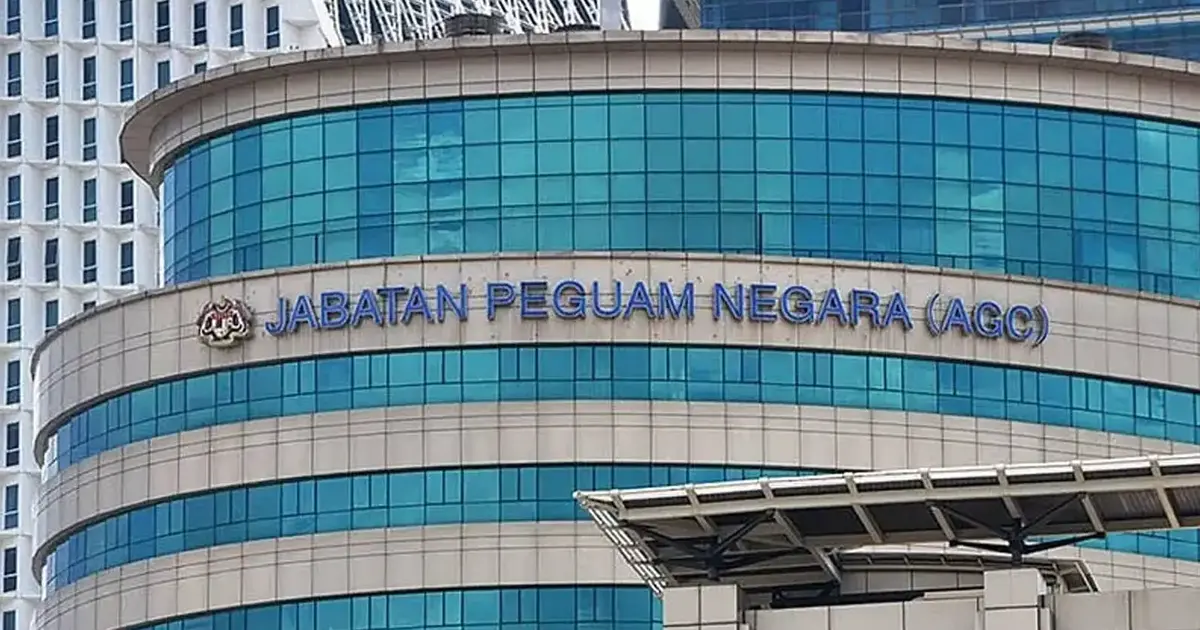
The Attorney General's Chambers has yet to conclude its examination of the Durian Tunggal investigation despite receiving resubmitted case materials more than four weeks ago, marking a significant delay in what appears to be a complex legal matter requiring careful scrutiny. The extended timeline underscores the meticulous nature of Malaysia's prosecution process, where multiple submissions and comprehensive reviews are standard before any charging decision is reached. This pattern of resubmission suggests substantial investigative groundwork or procedural requirements that demand thorough vetting by prosecutorial authorities.
The Home Minister has stepped into the public discourse by appealing to all involved parties—including the media, political figures, and public commentators—to refrain from exerting pressure on the legal establishment and instead permit the constitutional processes to function without external interference. Such appeals from senior government figures are carefully calibrated statements that acknowledge public interest while attempting to depoliticise proceedings. The minister's intervention reflects a broader concern about maintaining institutional independence and public confidence in Malaysia's justice system.
The Durian Tunggal matter, though not extensively detailed in this update, appears to be sufficiently serious and sensitive to warrant repeated submissions and prolonged review periods. The fourth submission itself represents an escalation in procedural intensity, suggesting that earlier iterations may have contained gaps, incomplete documentation, or investigative findings requiring additional development before prosecution authorities could make definitive recommendations. In Malaysian legal practice, multiple submissions of this nature typically occur in high-profile cases involving complex factual matrices or substantial evidentiary requirements.
The passage of a full month following the most recent submission without public pronouncements on the case's status indicates that the AGC is conducting a substantive rather than perfunctory examination. Legal experts familiar with Malaysian procedure recognise that detailed scrutiny of investigation papers can extend over weeks, particularly when files involve multiple alleged incidents, numerous witnesses, documentary evidence requiring cross-referencing, or novel legal questions. The patience required during such reviews tests public confidence, particularly in cases drawing political or media attention.
For Malaysian citizens and regional observers monitoring judicial proceedings, this case exemplifies the tension between expeditious justice and thorough investigation. While delays frustrate those seeking swift resolution, premature conclusions based on incomplete evidence could undermine the integrity of any eventual prosecution. The Home Minister's public comments appear designed to manage these competing expectations by framing the extended timeline as evidence of proper diligence rather than bureaucratic sluggishness or institutional indecision.
The resubmission pattern also raises questions about coordination between investigating authorities and prosecutorial bodies in Malaysia. When investigation papers require multiple reiterations, this may reflect genuine refinements in case presentation, responses to AGC queries during preliminary review, or the gathering of additional evidence that emerged during initial scrutiny. Each iteration should theoretically bring the prosecution closer to a position where charging recommendations can be made with confidence, yet the absence of such recommendations after four submissions suggests either exceptional complexity or ongoing substantive deficiencies.
Politically sensitive matters in Malaysia often experience this extended review process, as the AGC must balance prosecutorial merits against broader institutional considerations. The involvement of senior government figures, the attention of state authorities, or the implications of any charging decision for political stability may necessitate additional layers of legal and bureaucratic examination. The Home Minister's call for restraint hints at awareness that various stakeholders might view delays through different interpretative lenses—some as prudent caution, others as potential obstruction.
For Southeast Asian legal practitioners and students of Malaysian constitutional governance, the Durian Tunggal case illustrates how procedural safeguards and institutional checks operate in practice. The capacity of the AGC to demand resubmissions, combined with investigation agencies' obligation to comply and refine their work, creates a system theoretically designed to prevent hasty or politically motivated prosecutions. Whether this system functions optimally or becomes a vehicle for delay depends substantially on institutional culture and leadership integrity.
The geographical and specific nature of the Durian Tunggal reference suggests this is likely a matter of state or local significance, possibly involving land matters, administrative decisions, or conduct by officials given the Home Ministry's direct involvement in public messaging. Cases of this character frequently attract protracted legal review because their outcomes may affect government credibility, public service morale, or administrative precedent. The Home Minister's defensive posture through appeals for public patience suggests awareness that some stakeholders view the extended timeline with suspicion.
Moving forward, observers should note that the continued absence of charging decisions does not necessarily indicate weakness in the case or unwillingness to prosecute. Rather, it may reflect the legitimate complexities inherent in Malaysian prosecutorial practice, where institutional independence and procedural rigour remain priorities despite external pressures. The next significant marker will be either an announcement of charging decisions or, conversely, a determination that the evidence does not meet prosecution thresholds—a outcome that, while disappointing to some, would validate the thorough review process the Home Minister champions.

