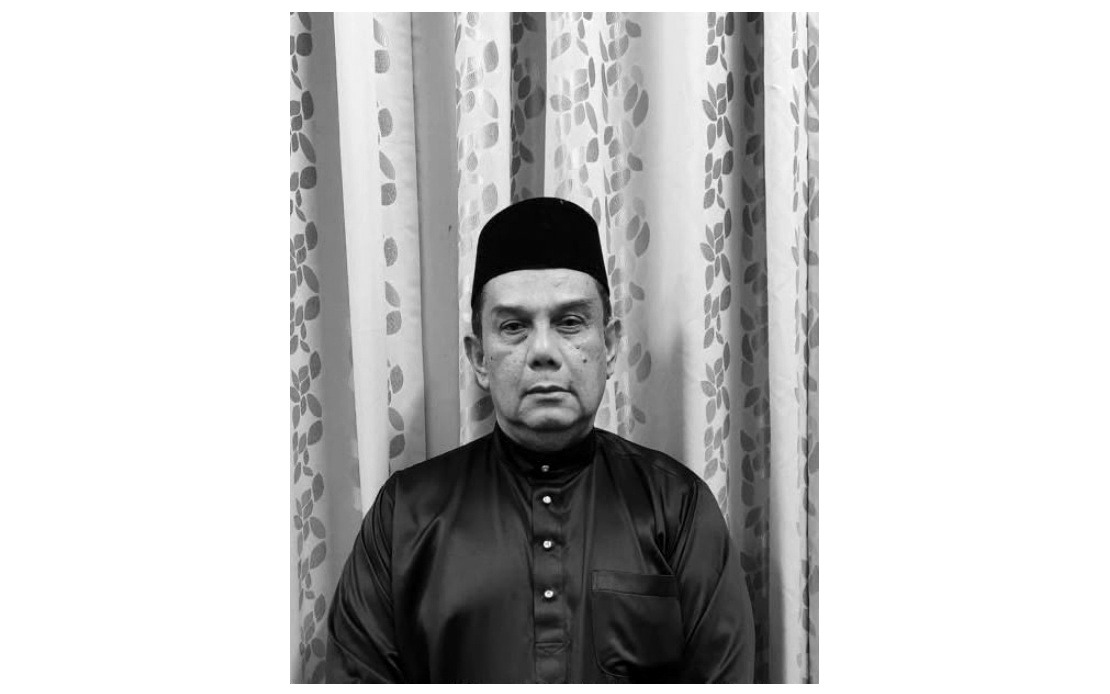
Datuk Jailani Harun, the diplomatic officer serving UMNO president Datuk Seri Dr Ahmad Zahid Hamidi, died at Hospital Serdang in Kuala Lumpur on July 7 morning. The 33-year-old passed away at 11.34 am, with news of his death confirmed by the Office of the Deputy Prime Minister and subsequently acknowledged by his eldest daughter, Nabilla, when she spoke with Bernama.
Jailani had transitioned from a career in journalism to take on a diplomatic role within the office of the UMNO party leadership. His position reflected the interconnected nature of media, communications, and political machinery in Malaysia's upper echelons, where former journalists often play crucial roles in shaping public narratives and managing government relations. The shift from newsroom to political office is not uncommon among experienced communicators in the country, as such individuals bring media literacy and network connections that prove valuable in contemporary political administration.
The arrangements for his final respects followed Islamic protocol. His body was to be transported to Al-Mubarakah Mosque located in Taman Bukit Cheras, where funeral prayers would be conducted. Following the completion of religious rites after Asar prayers, he would be interred at Alam Damai Cheras Cemetery. These funeral arrangements underscore the Islamic traditions observed within Malaysia's political establishment and the respectful manner in which senior figures acknowledge the passing of colleagues and subordinates.
Communications Minister Datuk Fahmi Fadzil publicly extended sympathies to Jailani's family members and those close to him during what would be a period of grieving. In his statement circulated through Facebook, Fahmi expressed hope that the family would find strength and patience in navigating their loss. His words reflected standard expressions of condolence common in Malaysian political discourse, emphasising religious faith and the collective desire for spiritual comfort for the departed.
The minister's invocation of Islamic prayers—specifically that Allah would grant mercy upon Jailani's soul and count him among the righteous—demonstrates the intersection of religious observance and political expression in Malaysia. Such public expressions of faith are expected from members of the political establishment, particularly those in communications roles, as they serve to reinforce shared values within the broader Muslim-majority society and the political community.
Jailani's death marks a significant loss within Ahmad Zahid's immediate circle at a time when the UMNO president continues to navigate complex political terrain. Diplomatic officers play instrumental roles in managing communications, scheduling, and relations between senior politicians and external stakeholders. The loss of such a trusted aide creates both a personal void and practical administrative challenges for the office they served.
The circumstances surrounding Jailani's passing at a hospital facility have not been elaborated upon in official announcements, with the focus instead placed on honouring his memory and supporting his family through the immediate aftermath. In Malaysian political culture, details regarding health conditions or causes of death are often kept private, with public attention directed toward acknowledging the person's contributions and expressing communal support for the bereaved.
For those who worked alongside Jailani in political or media circles, his passing represents the loss of a professional who bridged two significant sectors of Malaysian public life. The transition from journalism to political communication represents a pathway taken by many Malaysian professionals seeking to influence the direction of national discourse from within government structures. Such individuals often serve as filters and interpreters between the political leadership and both the media and the public.
The confirmation of his death through both official government channels and family members reflects the protocol observed when public figures or those closely associated with them pass away. The involvement of the Deputy Prime Minister's office in announcing the news indicates the seniority of Jailani's position within the political hierarchy, even though his role was technically supportive rather than elected or prominently public-facing.
As the nation acknowledges Jailani's passing, his legacy within UMNO's communications apparatus and his contributions to Ahmad Zahid's office will likely be remembered among party officials and colleagues. The loss serves as a reminder of the human dimensions underlying Malaysia's political machinery, where individuals working behind the scenes play essential roles in the functioning of leadership offices and the management of political narratives that shape public consciousness.

