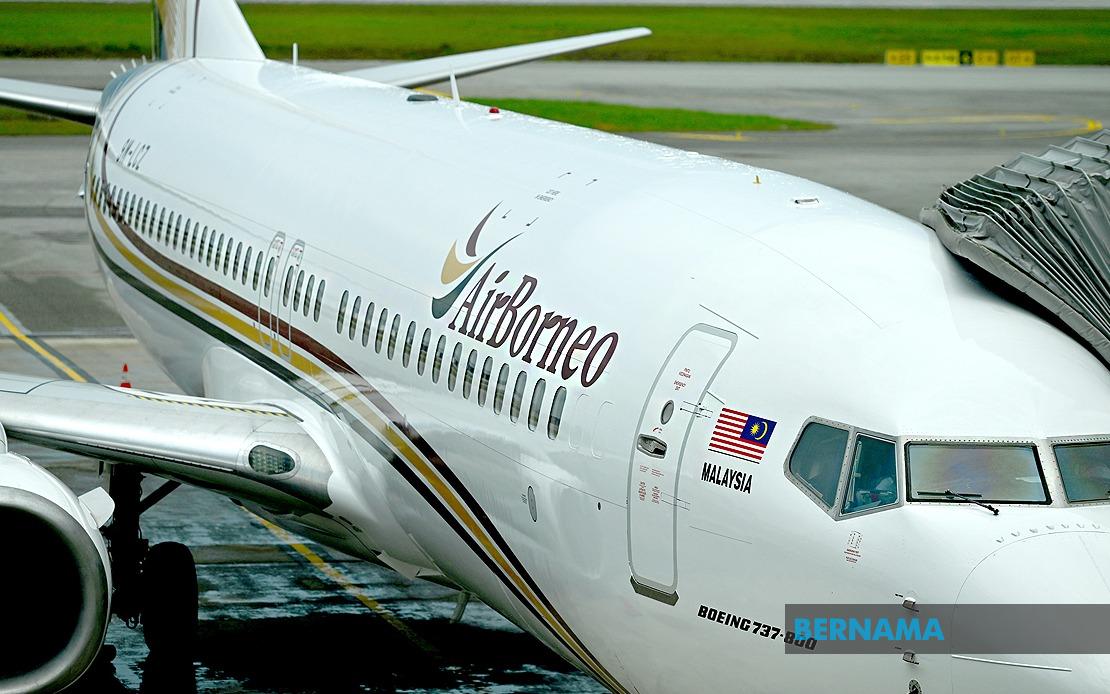
Regional carrier AirBorneo has formally apologised to passengers affected by a significant delay involving Flight MY5004, which operates the Kuala Lumpur-Kuching route. The Sarawak-based airline attributed the disruption to a technical malfunction discovered during pre-flight procedures, necessitating intervention by maintenance personnel before the aircraft could safely take to the skies.
The flight eventually departed at 7:30 pm on July 20 after technicians completed the necessary repairs and clearance checks. This represented a substantial delay for travellers whose schedules had been disrupted, though the airline maintained that the cautious approach reflected its unwavering commitment to passenger safety standards.
During the extended ground time, AirBorneo deployed customer service resources to mitigate passenger discomfort. The airline provided affected travellers with periodic briefings on the situation, meal provisions, and refreshment services while personnel worked systematically through their troubleshooting protocols. Such measures form part of standard industry practice when airlines face operational disruptions, though execution quality can vary significantly across carriers.
The incident underscores the delicate balance that regional operators must strike between maintaining reliable schedules and ensuring rigorous safety compliance. For a carrier serving the Sarawak market, where many passengers rely on air connectivity to bridge geographical distances, service reliability directly impacts customer loyalty and operational viability. Technical delays, though often unavoidable, carry reputational implications in an increasingly competitive regional aviation landscape.
AirBorneo's response statement emphasised the airline's foundational principle that safety considerations always supersede scheduling pressures. This messaging is particularly important in Malaysia's aviation sector, where regulatory oversight through the Department of Civil Aviation maintains strict technical and operational standards. Airlines operating under such frameworks face mandatory reporting and investigation protocols whenever technical anomalies necessitate corrective action.
The carrier explicitly acknowledged the inconvenience imposed on passengers and solicited their forbearance, recognising that travel disruptions create legitimate frustrations regardless of the underlying cause. This acknowledgment of passenger impact, rather than defensive minimisation, represents sound customer relations strategy in an era where social media rapidly amplifies airline service failures.
For Malaysian travellers, particularly those utilising routes connecting Peninsular Malaysia with Sarawak, flight reliability carries both practical and economic implications. Business travellers face meeting disruptions; leisure passengers experience itinerary complications; and families managing cross-border commitments face scheduling complications. AirBorneo's position as a major carrier on this corridor means that its operational performance directly affects the broader eastern Malaysian connectivity ecosystem.
The airline reiterated its systematic commitment to maintaining highest-standard safety protocols whilst simultaneously delivering dependable service. This dual commitment represents the fundamental operational mandate for any commercial carrier, though the tension between these objectives periodically emerges when technical issues arise unexpectedly. Airlines addressing such situations face the challenge of communicating that safety-first decisions, whilst operationally inconvenient, ultimately protect passenger interests.
Regional carriers operating from Sarawak face particular operational complexities given the state's geographical characteristics and weather patterns. The Kuching-Kuala Lumpur route represents one of Malaysia's most trafficked domestic corridors, carrying substantial passenger volumes daily. Disruptions on this route cascade through connecting networks and affect broader regional mobility patterns.
AirBorneo's acknowledgment of the incident and articulation of its safety-first operational philosophy serves to reinforce confidence in the carrier's commitment to maintaining airworthiness standards. For Malaysian regulatory authorities and regional aviation stakeholders, such transparency regarding technical issues and corrective actions demonstrates institutional accountability and professional standards adherence.
The broader context of this incident reflects aviation industry dynamics across Southeast Asia, where rapid growth in passenger demand intersects with ageing infrastructure and maintenance pressures. Regional carriers must continuously balance expansion aspirations with engineering rigour, particularly as route networks expand and fleet utilisation intensifies.

