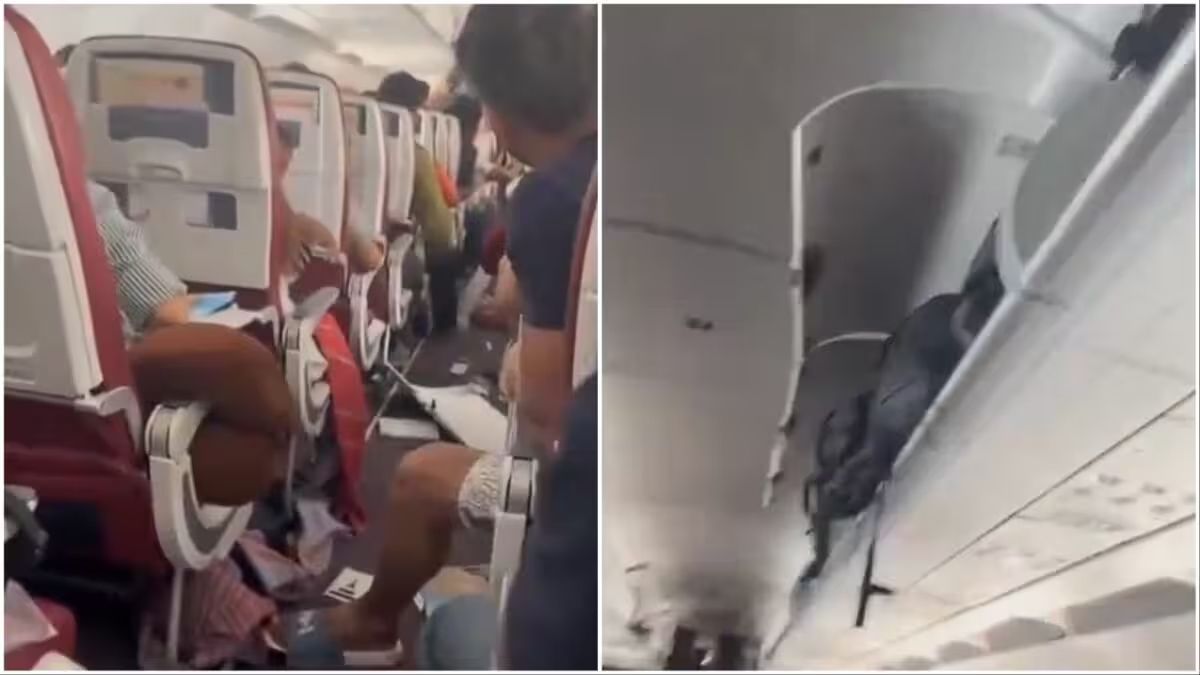
Airbus is mobilising a team of technical specialists to travel to New Delhi on Tuesday to support the investigation into an Air India flight that experienced a sudden and frightening loss of altitude during a journey from Phuket to the Indian capital on August 4. The aircraft plummeted approximately 300 feet before stabilising and making a safe landing, though the incident left 17 passengers and crew members requiring hospital treatment. The deployment represents the manufacturer's commitment to assist Indian aviation authorities in determining the root cause of the unexplained incident.
The investigation takes on added significance given that preliminary psychoactive substance screening of the flight's chief pilot has returned results warranting confirmatory testing. Indian aviation authorities administered standard drug screening protocols to both pilots following the flight's landing, with the captain's initial results triggering additional laboratory analysis. The final outcomes of these confirmatory tests remain pending public release, and both pilots have been temporarily removed from operational flying rosters while investigations proceed.
The Airbus A320, operating as a scheduled service with 137 passengers and eight crew members aboard, encountered its dramatic altitude loss while cruising to New Delhi from the Thai resort destination. Immediately following the incident, Air India acknowledged experiencing "a sudden loss of altitude" and pledged complete cooperation with investigating authorities. The airline also notified Airbus of the occurrence, initiating the manufacturer's technical involvement. Air India has since indicated it cannot publicly discuss any findings or observations connected to the ongoing probe, maintaining the confidentiality protocols standard in aviation accident investigations.
India's Aircraft Accident Investigation Bureau has formally classified the occurrence as a Serious Incident, placing it within a defined category of aviation events requiring thorough examination. The classification reflects the severity of the incident and the potential safety implications that such unexplained altitude losses carry for commercial aviation. An Airbus spokesperson confirmed that the manufacturer is furnishing "technical assistance" to Indian investigating authorities, acknowledging the critical role manufacturers play in understanding modern aircraft systems and performance data.
Indian news outlets have carried reports suggesting the aircraft experienced multiple technical anomalies in the moments preceding the altitude loss, though neither Air India, government authorities, nor Airbus have officially confirmed these accounts. The nature of these reported technical issues remains unclear, and the investigation will likely focus on whether any relationship exists between such glitches and the sudden descent. The lack of official confirmation underscores the investigative complexities involved in determining causation in modern aircraft incidents.
The incident represents a significant challenge for Air India at a particularly vulnerable moment in the carrier's operational history. The airline has endured substantial pressures recently, ranging from disruptions stemming from Middle Eastern geopolitical tensions to catastrophic reputational damage resulting from major accidents. Most notably, Air India Flight 171, a Boeing 787 Dreamliner bound for London, crashed shortly after departing from Ahmedabad in June 2025, killing 241 of the 242 people aboard the aircraft plus 19 individuals on the ground. That disaster became one of aviation's deadliest incidents in years and severely impacted public confidence in the carrier.
The mounting challenges faced by Air India prompted the airline to seek experienced leadership capable of navigating the complex recovery process. Last week, the airline appointed Tewolde Gebremariam, former chief executive of Ethiopian Airlines, to lead the carrier as its new chief executive. Gebremariam brings considerable experience managing an African airline through various operational and strategic challenges, though his appointment underscores the depth of Air India's current difficulties. His tenure begins amid active investigations into multiple recent incidents, creating an immediate operational and reputational management challenge for the new leadership.
For Malaysian and Southeast Asian aviation stakeholders, the incident carries particular relevance given the region's heavy reliance on commercial air transport and the interconnected nature of aviation safety standards across the region. The Phuket-New Delhi route passes through airspace traversed by numerous Malaysian carriers and regional flights, and investigative findings could have implications for fleet management and safety protocols across the industry. The involvement of Airbus, one of two major global aircraft manufacturers, ensures that any technical findings will be disseminated widely among operators of similar aircraft across Asia-Pacific.
The investigation process itself illustrates the collaborative nature of modern aviation safety protocols. The involvement of Airbus specialists, Indian authorities, and Air India management reflects internationally standardised procedures whereby manufacturer expertise complements government investigative capacity. Such cooperation, established through decades of aviation safety development, aims to identify underlying causes rapidly and implement corrective measures that benefit the entire aviation ecosystem. For passengers across Southeast Asia, including Malaysia, the transparency and rigour of such investigations contribute to the overall safety record that commercial aviation has achieved.
The pending results of confirmatory drug testing introduce a human factors dimension to the investigation that extends beyond technical aircraft performance. Should the testing reveal any involvement of substances affecting pilot judgment or capability, it would highlight critical gaps in pre-flight screening protocols or personal accountability mechanisms. Conversely, negative results would redirect investigative focus entirely toward aircraft systems, maintenance procedures, or environmental factors. This evidentiary process underscores how modern aviation investigations require multidisciplinary approaches combining technical, medical, and procedural expertise.
The wider context of Air India's recent troubles also prompts questions about whether cumulative pressures on airline operations and staff might influence safety culture and decision-making processes. The carrier's struggles with multiple crises simultaneously create operational environments where systemic vulnerabilities can emerge. The appointment of new leadership and the concurrent investigations suggest that Air India recognises the necessity of comprehensive organisational renewal, not merely aircraft maintenance or pilot retraining.
As the investigation unfolds, the involvement of Airbus and international scrutiny should provide stakeholder confidence that causation will be thoroughly and impartially examined. For regional aviation authorities and airlines, including Malaysian carriers, the findings will likely inform operational standards and may prompt reviews of similar aircraft and procedures across the industry.

