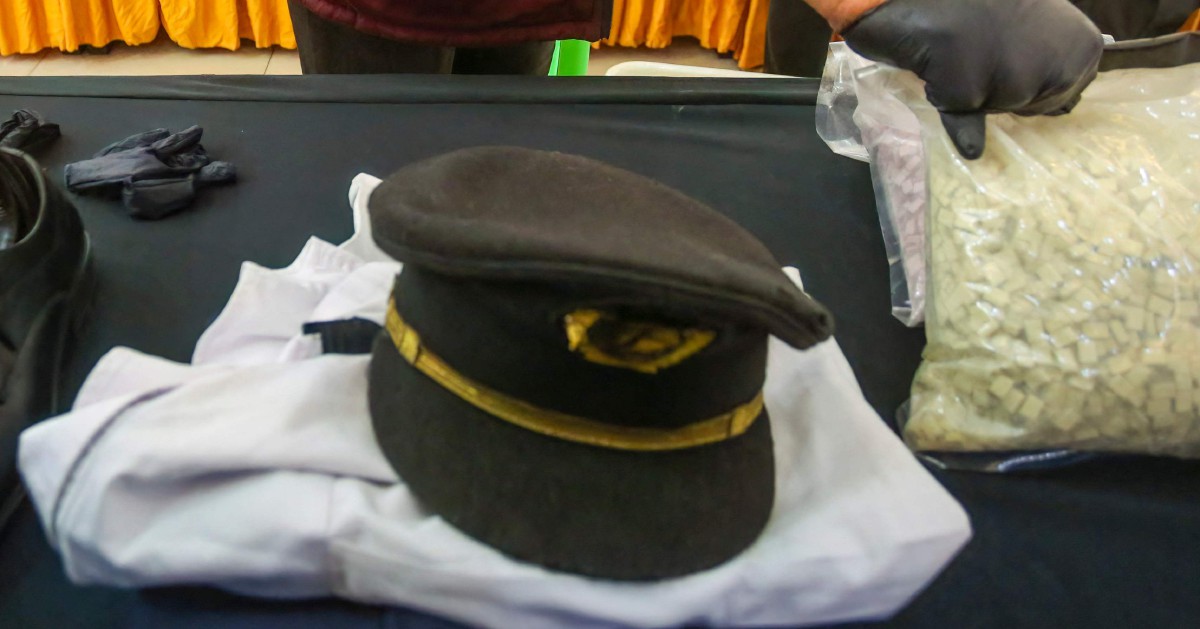
Police investigating an alleged drug smuggling incident at Kuala Lumpur International Airport have identified an airport employee in his 30s as a person of interest in the case. The inquiry centres on allegations that a Malaysia Airlines pilot carried narcotics through airport security screening at KLIA, raising questions about how such items could have bypassed detection systems designed to prevent contraband from entering secure areas.
The emergence of a potential airport insider connection marks a significant development in what has become a high-profile investigation with implications for airport security protocols across Malaysia. The identification of an airport worker suggests investigators are pursuing the possibility that airport personnel may have played a role in enabling the alleged passage of controlled substances through KLIA's security checkpoints. This line of inquiry reflects a growing concern among aviation authorities about the vulnerability of even tightly-regulated facilities to internal compromises.
KLIA, as Southeast Asia's busiest airport hub, serves hundreds of thousands of passengers daily and maintains sophisticated screening mechanisms intended to intercept illegal items. The allegations, if substantiated, would represent a serious breach of security protocols at a facility that handles significant international traffic and serves as a critical gateway for Malaysia's aviation industry. The incident has drawn scrutiny to staff vetting procedures and the effectiveness of internal security measures at one of the region's most important transportation hubs.
The Malaysia Airlines pilot at the centre of the allegations has not been named publicly, though the airline has acknowledged awareness of the situation. Malaysia Airlines operates one of Asia's largest networks and maintains strict compliance frameworks with regulatory bodies. The carrier faces potential reputational implications depending on how the investigation unfolds and what conclusions authorities reach regarding whether any airline personnel were involved in the alleged misconduct.
Investigators are examining how a person with access to secure airport areas could have facilitated the movement of drugs without triggering alarm systems or alerting security personnel during routine screenings. The probe will likely extend to examining access logs, CCTV footage, and personnel records to establish whether the airport employee had the capability and opportunity to assist in bypassing security protocols. Such investigations typically involve tracing the chain of custody for suspicious items and identifying points where standard procedures may have been circumvented.
The case underscores persistent challenges facing airport authorities throughout Malaysia and the broader region regarding the prevention of drug trafficking through air transport networks. Despite investments in modern scanning technology and increased security staffing, airports remain attractive targets for smugglers seeking to move illicit substances internationally. The involvement of a potential airport insider highlights how sophisticated smuggling operations may exploit human vulnerabilities within security systems.
Drug trafficking through aviation channels has been a longstanding concern for Malaysian law enforcement and airport operators. Previous cases have revealed various methods used by smugglers, from concealment in luggage to exploitation of cargo handling procedures. The allegation that an airport employee may have been involved suggests a new dimension to these operations, with organised groups potentially cultivating relationships with airport staff to facilitate large-scale smuggling.
The investigation's outcome will have ramifications for KLIA's security framework and may prompt broader reviews of personnel vetting procedures across Malaysian airports. Authorities may strengthen background checks, implement enhanced monitoring of employee activities, and revise protocols governing access to secure zones. Such measures would aim to reduce the likelihood of future incidents involving potential collusion between airport workers and smuggling networks.
Malaysia Airlines and airport authorities have strong incentives to demonstrate that they take such allegations seriously. The airline's reputation for safety and compliance depends partly on its ability to maintain operational integrity, while KLIA's status as a regional aviation hub rests on maintaining confidence in its security measures. Both organisations are likely to cooperate fully with police investigations and implement remedial measures once findings are established.
The case also reflects broader concerns within Southeast Asia's aviation sector about maintaining security standards amid rapid growth in air traffic. The region's increased prosperity has made it an attractive target for international drug trafficking organisations, which continuously adapt their methods to circumvent law enforcement efforts. Cases involving airport personnel demonstrate how criminal networks attempt to exploit systemic vulnerabilities.
Police have indicated that investigations are continuing and that additional persons of interest may be identified as the probe deepens. The thoroughness of the investigation will determine whether charges are ultimately laid against any individuals and what broader security implications the case carries for Malaysia's aviation industry. Authorities have emphasised their commitment to maintaining rigorous standards at KLIA and preventing the airport from being exploited for illegal activities.
The identification of the airport employee as a person of interest represents a critical juncture in the investigation. As questioning and evidence gathering continue, the case will likely generate important insights into how smuggling networks operate within airport environments and what vulnerabilities exist in current security arrangements. For Malaysian aviation authorities, the incident serves as a reminder of the constant vigilance required to maintain the integrity of the country's critical transportation infrastructure.

