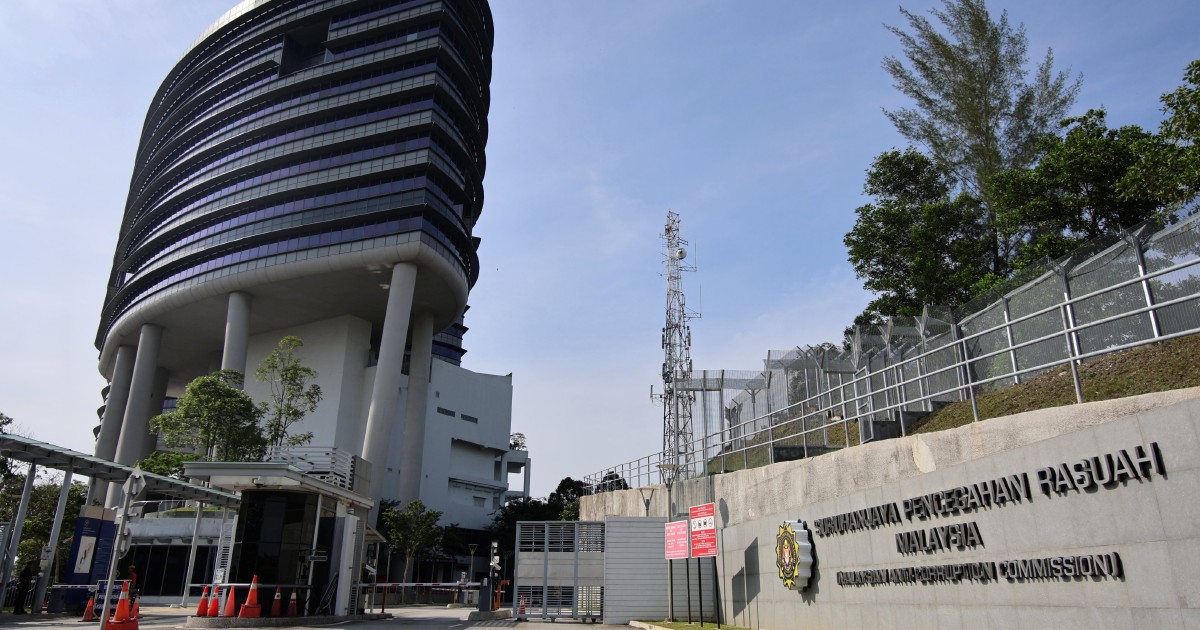
The leadership of Alam Maritim Resources Bhd experienced a significant development as Datuk Azmi Ahmad, who serves as the company's group managing director and chief executive officer, was freed from Malaysian Anti-Corruption Commission custody in Kuala Lumpur. The release marked the conclusion of his remand period held by the anti-graft body, though details surrounding the circumstances of his initial detention remain limited.
The Malaysian Anti-Corruption Commission's involvement with senior corporate figures typically indicates investigations into alleged breaches of conduct standards or governance issues within publicly listed companies. Alam Maritim Resources Bhd, which operates within Malaysia's maritime and offshore services sector, is subject to regulatory oversight from multiple authorities including the Securities Commission and Bursa Malaysia, the stock exchange operator.
The detention and subsequent release of a group chief executive draws attention to the broader environment of corporate accountability in Malaysia. The MACC has intensified scrutiny of senior management across various industries in recent years, reflecting government commitments to strengthen corporate governance standards and combat financial misconduct at the highest organisational levels. Such investigations often involve complex financial transactions or administrative decisions that require extended examination.
For stakeholders in Alam Maritim Resources, including shareholders, employees, and business partners, the situation presents both uncertainty and questions about operational continuity. A company's chief executive holds responsibility for strategic direction, financial reporting accuracy, and overall organisational performance. The timing and nature of MACC interventions can create temporary disruption to market confidence, particularly for organisations operating in capital-intensive sectors like maritime services where investor trust remains crucial.
The maritime and offshore services industry represents a significant component of Malaysia's economic ecosystem, supporting activities ranging from oil and gas operations to shipping and port management. Companies within this sector must navigate stringent regulatory requirements across multiple jurisdictions, making compliance frameworks essential to operational success. Investigations involving senior executives inevitably raise questions about internal control systems and governance structures.
Malaysia's approach to corporate integrity has evolved substantially over the past decade, with the MACC assuming an increasingly prominent role in monitoring alleged misconduct. The commission operates under legislative frameworks designed to protect public resources and ensure ethical standards among those wielding corporate authority. The release of an executive from remand does not necessarily indicate exoneration but rather reflects standard procedural timelines established by law.
The broader implications for Alam Maritim Resources extend beyond immediate management concerns. Publicly traded companies facing regulatory scrutiny experience potential impacts on share valuations, credit ratings, and investor sentiment. The maritime sector particularly depends on access to financing and commercial partnerships that demand reputational stability. How the company navigates this period will signal its institutional resilience to markets and regulatory bodies alike.
Industry observers note that such incidents underscore the importance of robust internal audit functions and transparent governance structures within Malaysian corporations. Companies that maintain strong compliance cultures and independent board oversight tend to weather regulatory investigations with minimal operational disruption. For emerging and established firms alike, investment in governance infrastructure represents prudent risk management.
The implications for other organisations in Malaysia's maritime sector warrant consideration. Regulatory attention directed toward one significant player frequently prompts broader industry reflection on standards and practices. Competitors and peer institutions may undertake internal audits to ensure their own compliance frameworks meet evolving expectations from authorities and investors.
Moving forward, attention will likely focus on whether formal charges emerge or whether investigations reach alternative conclusions. The MACC's investigative process operates according to established legal procedures, with decisions regarding prosecution typically made by the Attorney General's chambers. During this period, Alam Maritim Resources faces the challenge of maintaining operational normality while responding to potential ongoing inquiries.
The situation reflects Malaysia's broader commitment to strengthening corporate governance through active regulatory enforcement. While investigations can create temporary discomfort for organisations and their leadership, such accountability mechanisms ultimately serve to enhance market integrity and investor protection. The maritime sector, given its strategic importance to Southeast Asia's regional trade networks and Malaysia's economic interests, benefits from clear governance standards and transparent oversight.
For Malaysian business leaders more broadly, the case underscores the necessity of maintaining impeccable compliance standards and ensuring that corporate decision-making withstands rigorous scrutiny. International investors increasingly evaluate governance quality as a factor in investment decisions, making Malaysia's regulatory reputation significant for attracting capital across sectors. The resolution of the Alam Maritim situation will contribute to the broader narrative surrounding corporate accountability in the country.

