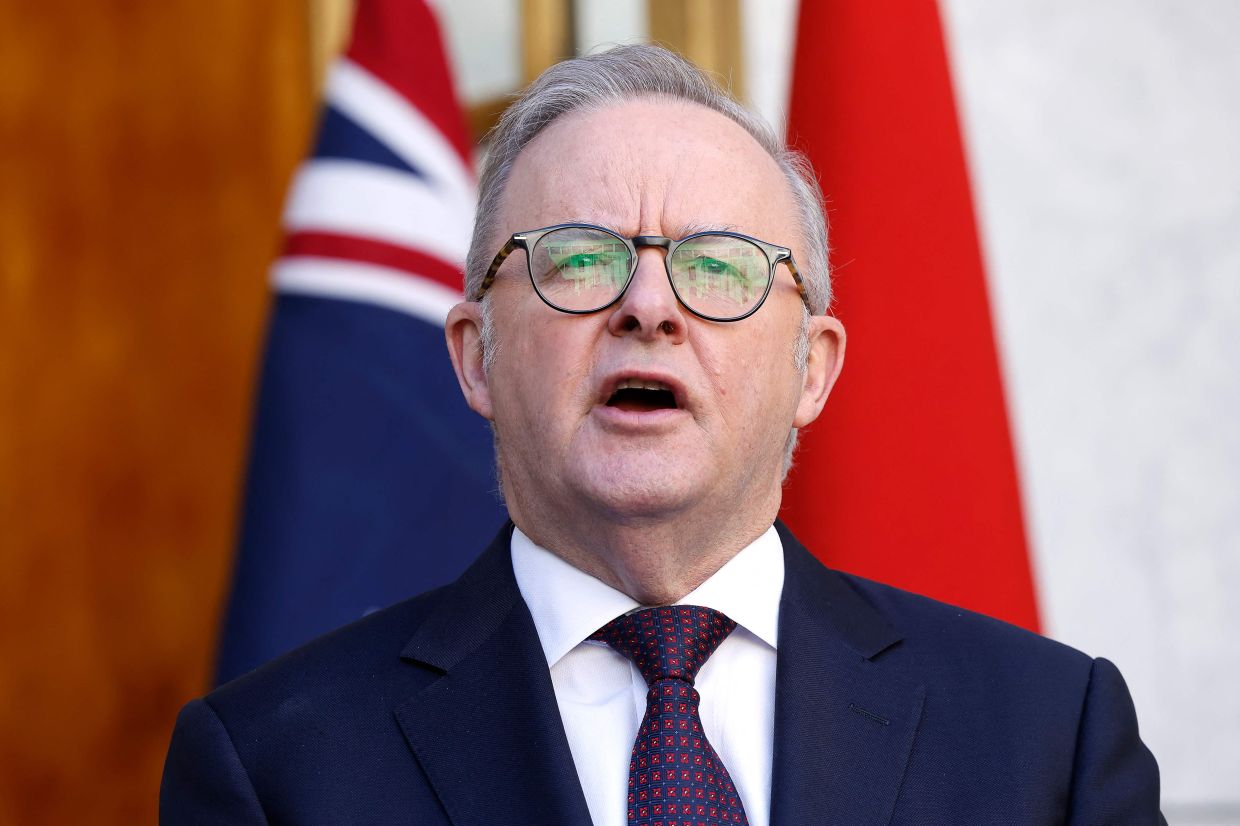
Anthony Albanese has resisted mounting pressure to apologise for remarks made during a podcast interview that have drawn sharp criticism from Australia's political opposition and raised questions about diplomatic protocol. The Australian Prime Minister, speaking in parliament on Tuesday, rejected characterisations that his comments were disrespectful, stating he stood by what he had said during his appearance on the Bush Deep podcast earlier this month.
The controversy centres on banter Albanese engaged in with podcast host Nikki Osborne regarding a gift presented to him by Japanese Prime Minister Sanae Takaichi when she visited Australia in May. During their conversation at his official residence, Albanese described the present as a "strange" offering—a premium Japanese royal melon. When Osborne inquired whether Takaichi had navigated the melon through Australian customs regulations, Albanese responded with innuendo, suggesting he had received "a couple of melons," with the host then making an inappropriate reference to actress Pamela Anderson in response.
The significance of the gift itself underscores the cultural dimensions of the dispute. In Japan, luxury melons represent high-value presents typically exchanged between dignitaries and can retail for more than AUS$270 (US$190), according to Japan's former ambassador to Australia. The fruit carries considerable symbolic weight in Japanese business and diplomatic circles, where premium produce serves as a marker of respect and formality. By making light of Takaichi's carefully chosen gift through crude joking, Albanese inadvertently triggered concerns about whether Australia takes its relationship with Tokyo seriously.
Albanese's current predicament reflects a pattern of missteps during the same podcast recording. Just weeks earlier, he had already apologised for separate remarks made during the identical interview in which he used crude language regarding pop singer Kylie Minogue, describing in vulgar terms what he would do with the Australian entertainment icon. That previous apology demonstrated recognition that his podcast comments had crossed professional boundaries, yet he appeared unwilling to extend the same contrition to the remarks concerning Takaichi.
The opposition has seized on what they characterise as insulting behaviour towards a friendly foreign leader. Australia's opposition leadership demanded a formal apology in parliament, arguing that Albanese's conduct fell below the standards expected of a sitting prime minister conducting official relations. They framed the episode as reflective of a broader lack of respect and decorum in representing Australia on the international stage, particularly in dealings with key Indo-Pacific allies.
Albanese's defensive posture in parliament suggested he viewed the criticism as politically motivated rather than substantive. When asked directly whether he would apologise for what critics termed "disrespectful behaviour," he flatly rejected the premise of the question itself, saying "I reject the assertion in the question." He pivoted instead to affirm his personal relationship with the Japanese leader, stating "Prime Minister Takaichi is a friend of Australia and a friend of mine." This rhetorical strategy attempted to reframe the controversy as a misunderstanding between friendly colleagues rather than as a breach of diplomatic conduct.
Foreign Minister Penny Wong mounted a defence of Albanese's position, arguing that his comments had been misinterpreted by political opponents seeking to inflame tensions. Wong suggested that the opposition had weaponised the remarks, reading into them an intentional insult when none was meant. "The prime minister has been clear that he did not mean for those comments to be interpreted in the way they have been by those opposite," she told parliament, referencing the opposition benches. This framing positioned Albanese as a victim of misconstruction rather than as someone whose judgment had lapsed during an informal setting.
The incident carries broader implications for Australia's relationship with Japan and regional diplomacy more widely. At a time when Australia and Japan are working to deepen security partnerships and economic ties in response to shifting Indo-Pacific dynamics, public gaffes by senior leaders can undermine confidence in Australia's commitment to these relationships. Whether Takaichi and the Japanese government view the matter as a serious slight or as mere unfortunate informality remains unclear, but the domestic political fallout has been substantial nonetheless.
The contrast between Albanese's swift apology over the Kylie Minogue comments and his refusal to apologise for the Takaichi remarks raises questions about his judgment in determining which offences warrant contrition. Critics argue this inconsistency suggests he calibrated his apology to public outcry rather than principle, apologising only when facing sufficient pressure. His stance in refusing to apologise for the melon comments may thus appear defensive and principled to supporters while seeming evasive and dismissive to detractors.
The podcast appearance itself highlights risks that senior political leaders face in informal media settings where guards may lower and crude humour can emerge. Unlike formal interviews or prepared remarks, conversational formats can catch leaders off their official footing. Albanese's willingness to engage in this type of unfiltered banter with the host suggests either overconfidence in the controlled nature of the platform or a gap between his public persona and private conduct that became exposed through recording and later distribution.
Going forward, the question remains whether Takaichi will address the matter directly when next engaging with Australian counterparts, or whether Japan will allow the incident to fade quietly. Tokyo's diplomatic response, or lack thereof, may ultimately determine whether this becomes a lasting blemish on Australia-Japan relations or merely a footnote in the political calendar. For Albanese domestically, the refusal to apologise may satisfy his base while further entrenching opposition criticism of his character and judgment.

