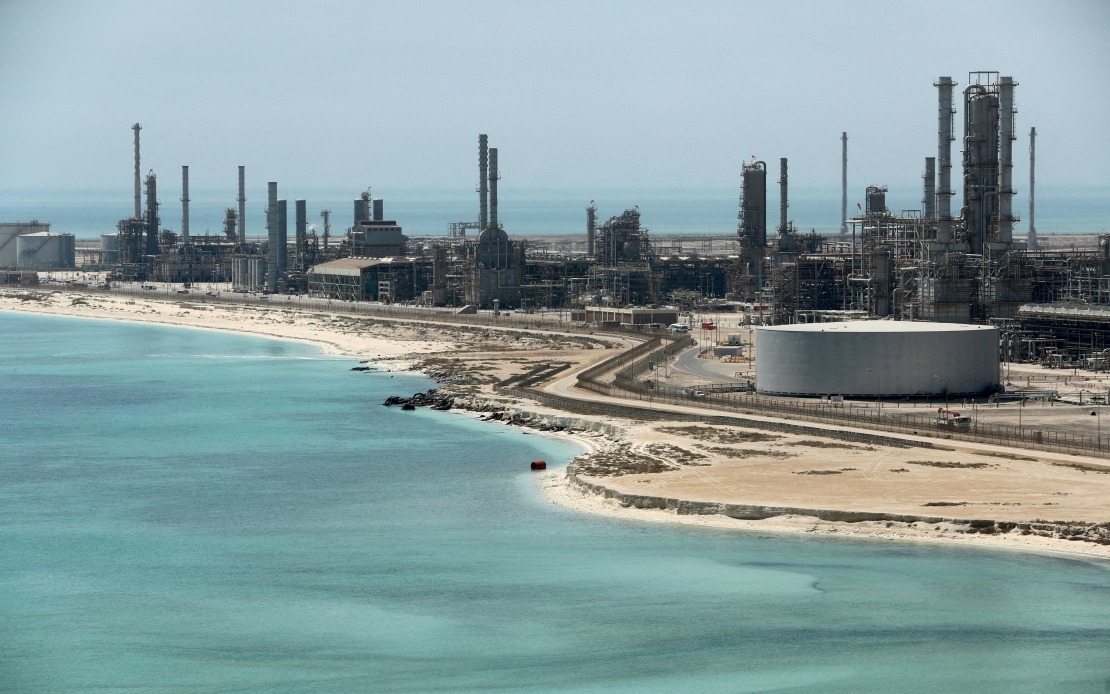
A helicopter operated by Saudi Aramco went down in the early morning hours of Sunday near Ras Tanura, resulting in a devastating loss of life that has sent shockwaves through Saudi Arabia's energy sector. According to an announcement by the country's Ministry of Energy, the aircraft crashed at approximately 6 am local time, with no survivors among the 14 people on board. All those killed were identified as Saudi nationals, marking a significant tragedy for the kingdom's vital petroleum industry.
The incident unfolded at Ras Tanura, a strategically important coastal facility situated along the Persian Gulf on Saudi Arabia's eastern seaboard. This location is far from incidental to understanding the gravity of the accident—Ras Tanura functions as one of the kingdom's most critical infrastructure sites, serving simultaneously as a major oil refining complex and a principal export terminal. The presence of such vital operations in the area underscores both the scale of Saudi Arabia's petroleum operations and the inherent risks associated with maintaining them.
Authorities have initiated a comprehensive investigation to establish what led to the crash. The nature of helicopter operations in and around major petroleum facilities demands rigorous safety protocols, making any incident a matter of serious concern for both operational continuity and occupational safety standards across the region. The investigation will likely examine maintenance records, weather conditions at the time of the incident, pilot experience, and mechanical factors that may have contributed to the accident.
For Malaysia and other Southeast Asian nations with significant energy sectors, incidents like this serve as cautionary reminders about the operational hazards inherent in oil and gas exploration and production. While Saudi Arabia operates at a vastly different scale than most regional producers, the fundamental safety challenges remain universal. Transportation by helicopter is routinely employed across offshore and remote onshore operations throughout Asia's energy industry, making developments in aviation safety within the petroleum sector relevant to operators and regulatory bodies across the region.
The Ministry of Energy's statement extended condolences to the families of those who perished, reflecting the broader societal impact of workplace tragedies within Saudi Arabia. The loss of 14 workers simultaneously represents not only an operational disruption but a profound human cost that extends into communities across the kingdom. Such incidents typically prompt renewed scrutiny of safety procedures and equipment standards throughout the affected industry.
Ras Tanura's role as a major refining and export hub means that any incident involving its operations potentially carries implications for global energy markets. The facility processes significant volumes of crude oil for both domestic consumption and international export, making it a node of considerable economic importance. However, the helicopter operation itself may have been engaged in personnel transport, maintenance support, or emergency response duties rather than directly involved in refining operations.
The crash also highlights the dependency of modern petroleum operations on rotorcraft for moving personnel and materials, particularly in environments where surface transportation proves impractical or time-consuming. This reliance creates ongoing safety management responsibilities for operators across the Middle East and beyond. Standards for helicopter operations in industrial settings have evolved substantially over decades, yet risks remain inherent to the activity itself.
Within the broader context of Middle Eastern energy security and production continuity, Saudi Arabia maintains stringent oversight of its petroleum infrastructure. The investigation's outcomes will likely influence operational procedures not only at Ras Tanura but potentially across the kingdom's other major facilities. Industry observers in Southeast Asia, where some nations maintain comparable petroleum operations, typically monitor safety developments in larger producers to inform their own regulatory frameworks and operational standards.
The incident serves as a sobering reminder that even the most advanced and well-resourced energy operations remain vulnerable to accidents that can claim multiple lives. For Malaysia, with its own offshore and onshore petroleum activities, such tragedies underscore the imperative for continuous investment in safety technologies, training protocols, and regulatory oversight. The energy sector's operational hazards demand perpetual attention from both private operators and government authorities charged with maintaining standards and investigating accidents when they occur.

