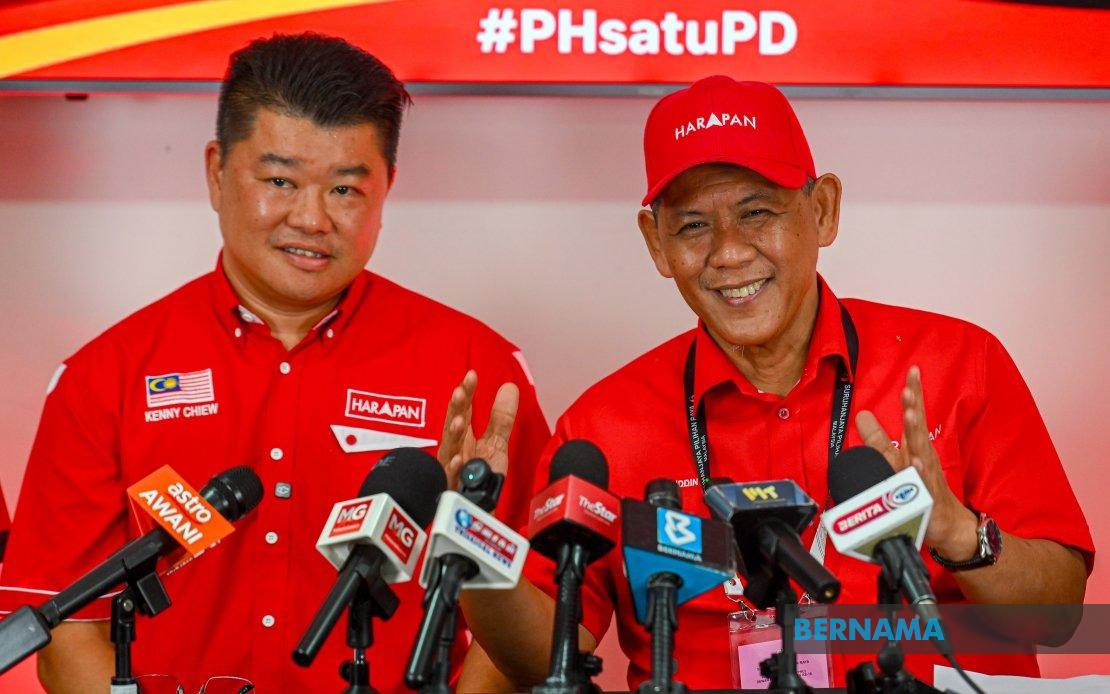
Negeri Sembilan's political leadership is sounding an alarm over declining civility in electoral conduct, with Menteri Besar Datuk Seri Aminuddin Harun launching a direct appeal to all parties contesting the 16th state election to respect democratic norms and election laws. Speaking while campaigning in the Linggi constituency on July 20, Aminuddin drew attention to the troubling pattern of campaign material destruction that has already marred the early stages of polling, warning that such behaviour undermines the maturity and legitimacy of democratic processes in a developed state.
The incidents reported during the second day of campaigning reveal the scale of the problem facing election administrators and party officials alike. Pakatan Harapan's media operations centre documented multiple cases of vandalism, including the deliberate burning of party flags in Palong and structural damage to flagpoles in Chembong. These were not isolated incidents but part of a broader pattern that prompted police intervention, with Negeri Sembilan Police Chief Datuk Alzafny Ahmad confirming that authorities had received and begun investigating reports of campaign material vandalism in Jempol, while inquiries into the Chembong destruction continued.
Aminuddin's position as both Menteri Besar and the Pakatan Harapan candidate for Linggi gives particular weight to his remarks, though his appeal was carefully framed as a matter of democratic principle rather than partisan interest. He stressed that a civilised state must demonstrate the proper conduct of electoral politics, suggesting that the responsibility for setting this tone falls on political leadership across party lines. His emphasis on allowing voters to judge politicians based on campaign conduct rather than on destructive tactics reflects a broader concern about how electoral competition is conducted in Malaysia's states.
The Negeri Sembilan election campaign takes place against a backdrop of heightened scrutiny over electoral integrity in Malaysia. The dissolution of the state assembly on June 5, followed by the Election Commission's scheduling of early voting for July 28 and polling day for August 1, compressed the campaign period and intensified competition among the participating parties. In such compressed timeframes, the temptation for some actors to resort to disruptive tactics may increase, even though such conduct ultimately damages the credibility of all parties involved.
The vandalism incidents carry particular significance for Malaysian political observers because they represent a breakdown in the informal rules that have generally governed state and federal elections. While heated rhetoric and competitive jostling are expected features of any democracy, the physical destruction of campaign materials suggests a willingness to escalate beyond verbal and political competition into territory that most democratic societies consider beyond the pale. The fact that multiple constituencies experienced such incidents within just two days of campaigning suggests this may not be the work of isolated troublemakers but rather a more coordinated or at least tolerated phenomenon.
From a governance perspective, Aminuddin's intervention highlights the role that sitting elected officials can play in establishing and maintaining standards for electoral behaviour. By publicly condemning vandalism and appealing for respect for electoral rules, the Menteri Besar positioned himself above the immediate partisan fray, even while actively campaigning for his own re-election and his coalition's success. This balancing act reflects the reality that while political leaders must advocate for their parties, they simultaneously bear responsibility for the health of democratic institutions and processes that all parties depend upon.
The police response to these incidents, with investigations underway in multiple constituencies, indicates that authorities are taking the vandalism seriously and not dismissing it as mere campaign-season horseplay. The involvement of law enforcement sends a signal that such conduct carries potential legal consequences, though the challenge remains in identifying perpetrators when vandalism often occurs outside public view and may involve supporters acting without direct party instruction. The distinction between individual miscreants and organised party-sanctioned campaigns to disrupt opponents' messaging remains crucial for determining appropriate responses.
For Malaysian voters observing this election, the incidents raise uncomfortable questions about the direction of political competition in the country. While Negeri Sembilan has generally maintained relatively civilised electoral standards compared to some other states, the emergence of vandalism patterns suggests that no region is immune to the pressures and temptations that can lead to unethical campaign conduct. The broader context of Malaysian politics, with frequent disputes over electoral boundaries, competing visions of governance, and deep-seated rivalries between established coalitions, creates fertile ground for such transgressions to occur.
Aminuddin's call for parties to respect electoral rules and allow voters to judge based on substantive campaign conduct represents an appeal to collective self-interest as much as to principle. All parties have a stake in maintaining electoral systems that the public perceives as fair and legitimate, since the moment elections lose credibility, the political legitimacy of winners is compromised and social stability is threatened. This reality should unite political competitors around basic standards of conduct, even as they vigorously contest for power.
Looking ahead to the August 1 polling day, the focus will shift from campaign dynamics to the actual electoral outcome. However, the incidents and interventions during this early campaign phase have already established a narrative around conduct and civility that will likely continue to frame public perception of the election itself. Whether subsequent days of campaigning see a reduction in vandalism or escalation may depend significantly on how seriously the various parties take Aminuddin's public appeal and whether law enforcement follow-through on investigations demonstrates that consequences exist for such behaviour. For a state election that might normally receive limited national attention, the conduct controversy has already elevated Negeri Sembilan's 16th state election into a test case for Malaysian political standards.

