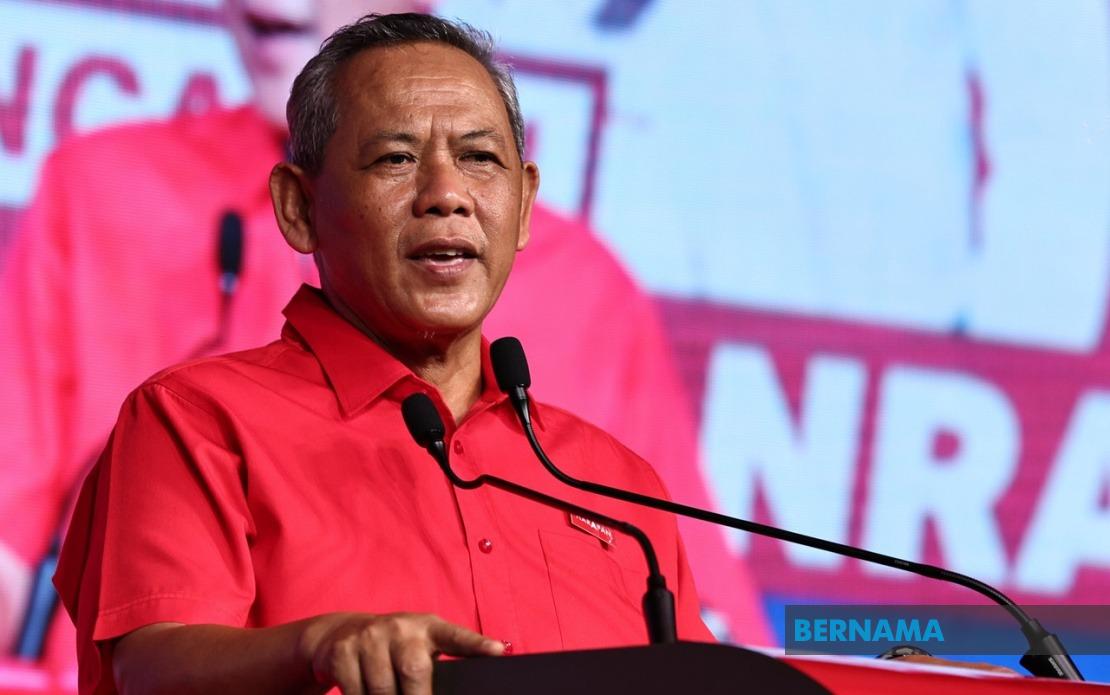
Negeri Sembilan Menteri Besar Datuk Seri Aminuddin Harun has dismissed speculation that his decision to seek the Linggi state seat in the forthcoming Negeri Sembilan election amounts to a strategic retreat from his long-held Sikamat stronghold, insisting rather that the move stems from his own deliberate choice. Speaking through social media, the PKR politician and Pakatan Harapan chairman in the state characterised the transition as a natural progression in his political career rather than a defensive manoeuvre prompted by electoral vulnerability or internal party pressures.
Aminuddin's statement comes amid broader party reshuffles ahead of the August 1 polling, when Negeri Sembilan voters will determine the composition of the state assembly. His declaration of candidacy in Linggi has naturally raised questions within political circles about his reasoning, particularly given his four consecutive electoral victories in Sikamat and the substantial grassroots organisation he has built there over two decades. The Menteri Besar framed his new direction as an opportunity to expand his service beyond his traditional electoral base, suggesting that his experience and proven track record position him to develop the Linggi constituency effectively.
Reflecting on his extensive tenure in Sikamat, Aminuddin recounted the formative years when his fledgling political operation operated from cramped quarters above a commercial shophouse, functioning on meagre resources while his party languished in opposition. He emphasised how those challenging circumstances forged his commitment to grassroots organising and community fundraising, practices that sustained his political presence when government allocations remained unavailable to opposition representatives. These experiences, he suggested, have equipped him with resilience and pragmatic problem-solving capabilities that transcend any single constituency and can be deployed in Linggi.
The Menteri Besar's acknowledgement of his Sikamat legacy carries weight within Negeri Sembilan politics, as the constituency has historically served as his principal base of electoral support and political identity. His four consecutive victories there demonstrate sustained voter confidence and effective constituency management across different political cycles, including the transformative 2018 election when Pakatan Harapan first came to power nationally. Aminuddin's decision to relinquish this secured position in favour of contesting the Linggi seat, currently held by incumbent Barisan Nasional assemblyman Datuk Mohd Faizal Ramli, therefore represents a calculated risk that requires strategic confidence in his broader electoral appeal beyond his traditional powerbase.
In transferring responsibility for Sikamat to Nor Azman Mohamad, whom the party has selected as his successor, Aminuddin expressed confidence that the incoming candidate would maintain the developmental trajectory and community service standards established during his tenure. This succession arrangement reflects standard practice within Malaysian political parties when sitting representatives voluntarily step aside, though the choice of successor and the level of institutional support provided to them often determines whether the party successfully retains the seat or suffers reversal at the polls. The Menteri Besar's public endorsement of Nor Azman represents an attempt to signal continuity and legitimise the transition to Sikamat voters who may harbour concerns about losing an experienced incumbent.
The timing of Aminuddin's constituency switch carries additional significance within the broader context of Malaysian electoral politics and federalism. As Menteri Besar, he occupies the highest executive position in Negeri Sembilan's state government, an office that typically commands substantial resources and administrative machinery. This elevated status potentially enhances his competitive position in contesting a different seat, as sitting chief ministers enjoy significant advantages including government patronage networks, media prominence, and the ability to direct development projects toward supportive constituencies. His relocation to Linggi therefore represents not a weakening of his position but potentially a strategic consolidation of power through contesting a marginal seat where his governmental authority might prove decisive.
The electoral contest shaping up in Linggi will test Aminuddin's assertion that his candidacy reflects genuine preference rather than tactical necessity. Mohd Faizal Ramli, the incumbent BN assemblyman, presumably commands his own organisational network and community relationships built through his tenure representing the constituency. The Menteri Besar's substantial governmental and party resources will face assessment against his opponent's incumbent advantage and the voting patterns established in Linggi during previous election cycles. The outcome will provide empirical evidence regarding whether Aminuddin's decision represents astute political strategy or miscalculation.
Aminuddin's public explanation also addresses undercurrents of intra-party dynamics that frequently accompany such constituency changes. Malaysian political parties often experience internal tension when sitting representatives voluntarily relinquish secure seats, as such decisions can signal factional conflicts, leadership challenges, or strategic disagreements about resource allocation. By firmly characterising his move as a personal choice rather than a party-directed decision or response to internal pressure, the Menteri Besar attempts to preempt speculation about his standing within PKR or Pakatan Harapan leadership circles. His emphasis on continuity of service and dedication to community development seeks to frame the transition as forward-looking rather than defensive.
The electoral timetable compounds the significance of these developments, with nominations scheduled for Saturday, early voting on July 28, and the main polling day set for August 1. This compressed campaign period allows limited time for candidates to reorient themselves within new constituencies or for voters to acclimate to unfamiliar contenders. Aminuddin's early public statement defending his decision represents an attempt to shape narrative and pre-empt opposition messaging before the formal campaign machinery fully activates. The Menteri Besar's reliance on social media communication reflects contemporary Malaysian political practice, where politicians increasingly bypass traditional media gatekeepers to communicate directly with constituents.
For Malaysian and Southeast Asian observers of regional politics, Aminuddin's strategic repositioning within Negeri Sembilan's electoral landscape illustrates continuing fluidity within Malaysia's competitive federalist system. State-level elections frequently serve as testing grounds for national political configurations, with results influencing perceptions of party viability and leadership credibility ahead of national contests. The outcome in Negeri Sembilan will therefore carry implications beyond the state's boundaries, potentially affecting national calculations about Pakatan Harapan's electoral prospects and the personal standing of prominent figures like Aminuddin within federal political hierarchies.

