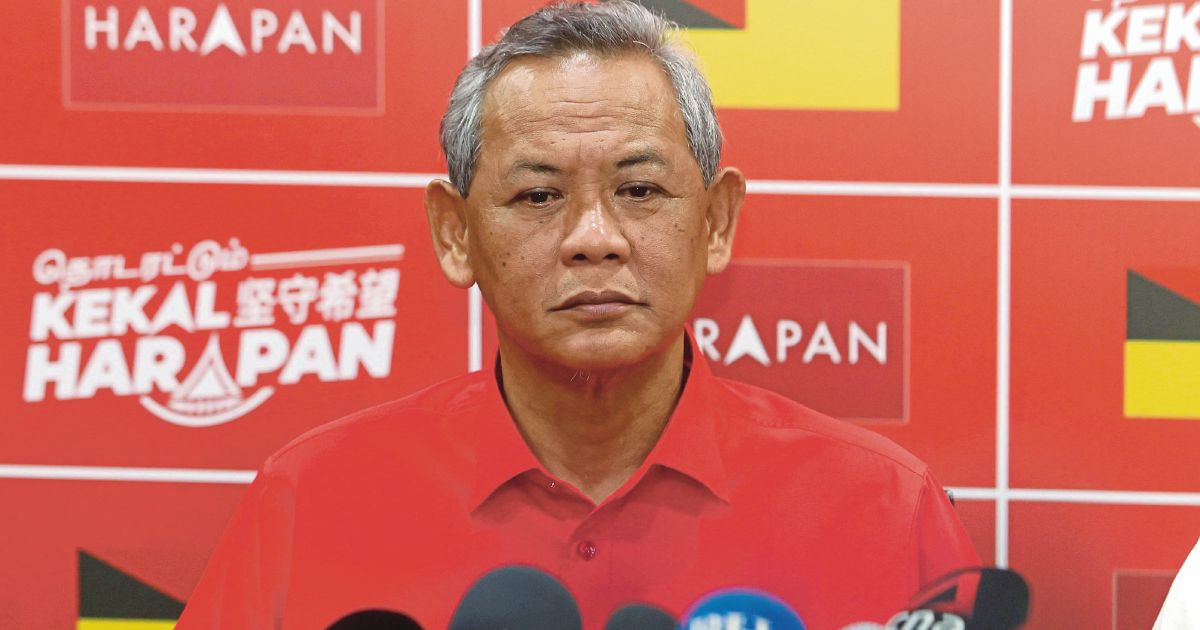
Datuk Seri Aminuddin Harun, who previously served as Negri Sembilan's menteri besar, has signalled his willingness to relinquish the role of Parti Keadilan Rakyat chairman at the state level in the aftermath of the party's recent electoral contest. The announcement comes as PKR faces a period of internal reassessment following the outcome of the latest state polls in Negri Sembilan, raising questions about the party's trajectory in one of Malaysia's traditionally competitive political battlegrounds.
The former chief minister's readiness to step down reflects a common pattern within Malaysian political parties, where senior figures accept accountability for electoral setbacks by offering to vacate leadership positions. This move signals an acknowledgement that fresh leadership may be necessary to reinvigorate the party's standing and strategise for future electoral challenges in the state. For PKR, which has undergone significant transformations across multiple state elections in recent years, such transitions represent opportunities to recalibrate both messaging and personnel at ground level.
Negri Sembilan holds considerable strategic importance within Malaysia's political landscape. The state has historically functioned as a barometer for broader political sentiment, with its voting patterns often foreshadowing outcomes in other parts of the country. PKR's performance here carries implications beyond the state itself, influencing the party's morale and positioning within the larger Pakatan Harapan coalition structure. An underwhelming electoral result therefore demands serious introspection about campaign effectiveness, grassroots mobilisation, and the alignment between party messaging and voter priorities.
Aminuddin's tenure as menteri besar represented a significant period for PKR in Negri Sembilan. His leadership of both the state government and subsequently the party machinery would have involved navigating complex state-level challenges ranging from economic development to service delivery. The willingness to step back suggests recognition that the party may benefit from different strategic direction or personality at its helm going forward. This kind of self-reflection, though sometimes viewed as corrective in nature, can actually help parties rebuild credibility by demonstrating responsiveness to electoral feedback.
The timing of such personnel changes within political parties is rarely insignificant. Immediate transitions following electoral disappointment can signal both humility and decisive action. For the broader PKR membership and supporters in Negri Sembilan, Aminuddin's move offers a reset moment—an opportunity to consolidate support behind a renewed leadership structure and refocus collective efforts on addressing the specific concerns that may have influenced voter behaviour in the recent election. This becomes particularly important given the competitive nature of state politics in the region.
Such developments also merit attention from the perspective of coalition dynamics. Within Pakatan Harapan, state-level leadership changes create ripple effects across the broader alliance structure. How PKR repositions itself in Negri Sembilan will influence not only its own future performance but also the coalition's capacity to present a unified and effective political alternative across the peninsula. The timing and manner of such transitions thus carry implications that extend well beyond the immediate state context.
The broader context of Malaysian state politics suggests that voters increasingly demand responsive leadership that can demonstrably deliver on promises and address local grievances. Electoral outcomes increasingly reflect dissatisfaction not merely with broad ideological positions but with specific governance outcomes, development patterns, and the perceived capacity of leaders to champion local interests. For PKR in Negri Sembilan, the recent result appears to have prompted serious reflection on these dynamics, with established figures like Aminuddin recognising that change may be necessary to restore public confidence.
Looking ahead, the succession process within PKR's Negri Sembilan chapter will merit close observation. The party will need to identify a successor who can both stabilise internal cohesion and project a renewed sense of direction to voters who may have migrated to other political options. This selection process becomes an opportunity to inject fresh energy, potentially elevate younger or previously overlooked talent, and demonstrate that the party is genuinely responsive to electoral feedback rather than merely shuffling personnel for appearances' sake.
The broader implications for PKR extend to questions of national positioning and coalition relevance. As the party navigates state-level challenges across multiple territories simultaneously, leaders like Aminuddin offering to step aside demonstrate an institutional culture where electoral accountability translates into tangible changes. Whether this translates into genuine strategic recalibration or merely represents cosmetic adjustment will determine whether such transitions genuinely strengthen PKR's hand in future contests or merely represent temporary responses to immediate pressures. For Malaysian voters and political observers, Aminuddin's readiness to depart from his state party role serves as another chapter in the ongoing evolution of the nation's political landscape.

