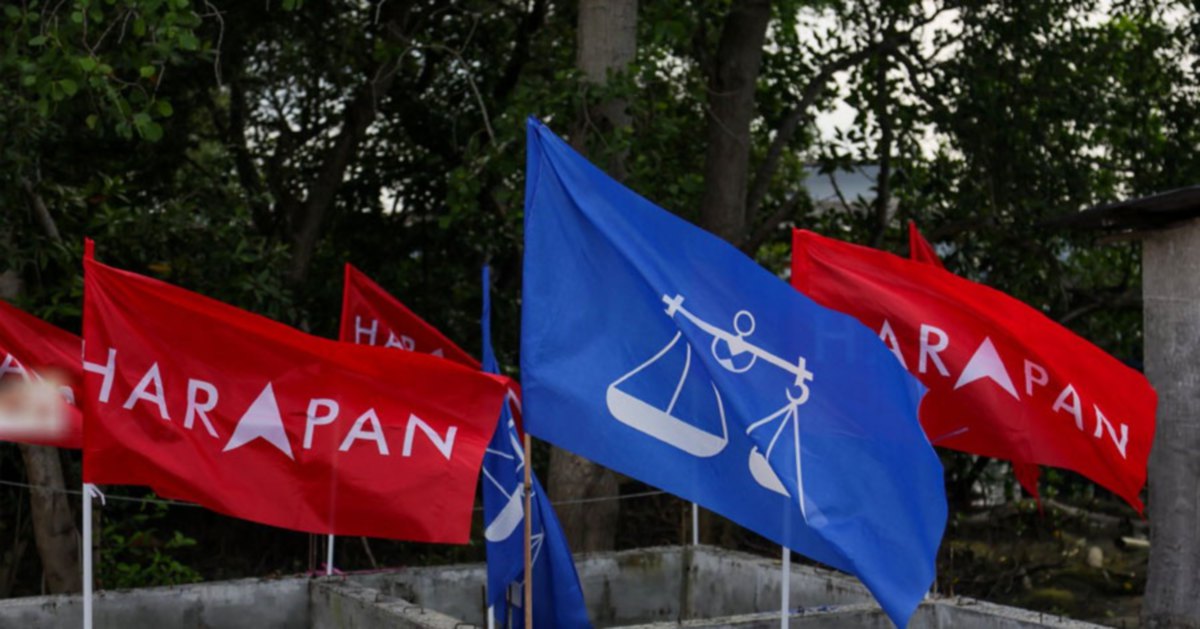
Pakatan Harapan's top communications strategist Datuk Seri Fahmi Fadzil publicly acknowledged on Tuesday that senior coalition figures have been engaging in high-level meetings to coordinate on critical electoral matters. Specifically, he confirmed that Datuk Seri Amirudin Shari, who heads the coalition's election strategy operations, convened with coalition chairman Datuk Seri Anwar Ibrahim to discuss developments in the coalition's ongoing negotiations with Barisan Nasional over parliamentary seat allocations for future electoral contests.
The confirmation represents an official acknowledgement of behind-the-scenes coordination within Pakatan Harapan as the opposition bloc attempts to finalise its electoral pact with the ruling coalition. Such high-level meetings between the election director and coalition chairman typically signal substantive progress or critical decision-points in negotiations, suggesting that seat-sharing discussions have advanced beyond preliminary stages into detailed bargaining over specific constituencies.
The significance of this encounter extends beyond routine political housekeeping. Since the 2022 general election transformed Malaysia's political landscape, with Anwar Ibrahim ascending to the Prime Minister's office, Pakatan Harapan and Barisan Nasional have navigated a complex relationship that balances cooperation on governing with competitive electoral positioning. Any meeting between the coalition's top leadership and election chief would naturally focus on ensuring internal consensus before committing to seat-sharing arrangements that could satisfy both the traditional ruling coalition and the historically opposition-dominated Pakatan Harapan.
The electoral mechanics of such negotiations carry particular weight in Malaysia's first-past-the-post parliamentary system, where seat distribution directly determines each coalition's realistic expectations and total contested seats. Every constituency handed to one alliance partner effectively removes it from direct competition with another, reshaping the electoral map according to strategic calculations about where each bloc maximises its collective seat count and minimises internal defections caused by resentment over marginalized partners.
For Pakatan Harapan specifically, maintaining coalition unity while managing electoral competition poses recurring challenges given the partnership unites parties with distinct organisational cultures and voter bases. Amirudin's role as election director makes him the architect of whatever seat-sharing framework emerges, requiring him to balance demands from coalition components Parti Keadilan Rakyat, Democratic Action Party, Amanah, and satellite parties while negotiating with Barisan Nasional partners such as the United Malays National Organisation, MCA, and MIC. His meetings with Anwar Ibrahim presumably involve updating the coalition chairman on negotiation progress and seeking political cover for potentially contentious allocation decisions.
The timing of such confirmations matters in Malaysian political communication. By having Fahmi publicly verify the meeting rather than allowing speculation to fester, Pakatan Harapan signals transparency about its electoral negotiations whilst avoiding the appearance of secretive backroom dealing that could invite criticism from coalition members or civil society observers monitoring power-sharing arrangements. This disclosure strategy typically precedes major announcements or demonstrates confidence that negotiation progress will satisfy coalition stakeholders.
Regionally, Malaysia's political dynamics increasingly influence broader Southeast Asian patterns of coalition-building and electoral management. The Pakatan Harapan-Barisan Nasional cooperation model, despite internal tensions and occasional public disputes, has proven more durable than many regional observers initially expected. How these two blocs manage seat negotiations and electoral coordination offers lessons for neighbouring democracies grappling with similar coalition politics complexities, particularly in Indonesia and Thailand where multi-party systems create comparable coordination challenges.
The confirmation also reflects deeper structural shifts in Malaysian politics since 2018. The traditional binary contest between ruling and opposition coalitions has evolved into a more fluid landscape where electoral and governing coalitions sometimes diverge. Anwar Ibrahim's transition from opposition leader to Prime Minister while maintaining Pakatan Harapan as a distinct political entity required institutional mechanisms for managing coalition affairs outside formal government structures. Amirudin's election director position essentially serves this coordinating function, making his relationship with Anwar Ibrahim crucial to coalition cohesion.
Governance implications extend to Malaysian voters attempting to understand their leadership's electoral intentions. Public confirmation of high-level meetings provides voters with information about whether their chosen coalition intends to contest all seats competitively or negotiate predetermined territorial arrangements with rival blocs. Such clarity, or conversely ambiguity, shapes voter calculations about tactical voting and coalition loyalty in constituencies where multiple opposition or government-aligned candidates might otherwise fragment vote shares.
Looking forward, how thoroughly Pakatan Harapan and Barisan Nasional iron out seat-sharing details will determine whether their cooperation extends into the next general election cycle or remains confined to the current parliamentary term. Amirudin's ongoing meetings with coalition leadership suggest serious intent to formalise arrangements rather than allowing electoral competition to unfold organically. For Malaysian politics, such institutional precision in coalition management represents a maturation of democratic practices, even if observers might question whether power-sharing arrangements ultimately serve voter interests or entrench incumbent advantages.

