Lembaga Tabung Haji (TH) depositors should sustain their confidence in the Islamic pilgrimage savings institution, according to financial analysts who stress that management recovery efforts are actively safeguarding their interests despite recent disclosure of critical findings from a Royal Commission of Inquiry. The reassurances come as TH faces public scrutiny following the July 29 release of a comprehensive 211-page RCI report that identified operational and governance weaknesses spanning 2014 to 2020 and laid out 25 improvement recommendations.
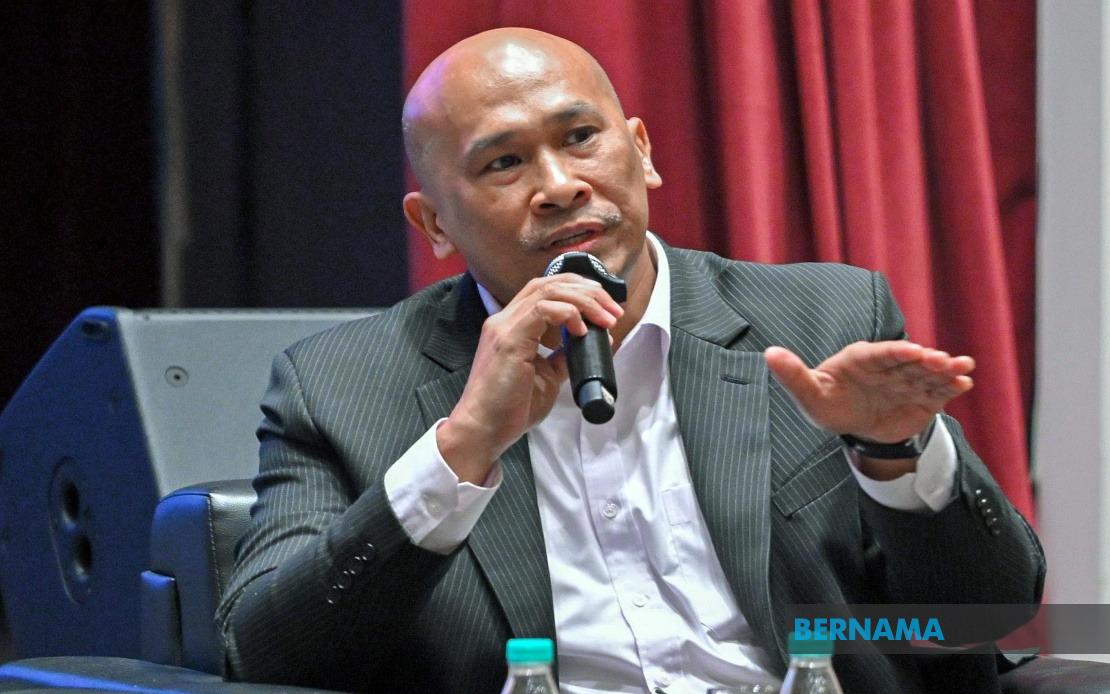
Dr Mohd Afzanizam Abdul Rashid, chief economist at Bank Muamalat Malaysia Bhd, emphasised that the issues highlighted in the RCI investigation were not entirely new revelations but had already been subject to various institutional reform programmes showing tangible positive outcomes. He pointed to TH's financial trajectory as the most compelling evidence of successful turnaround efforts, noting that the institution has posted positive net assets—meaning total assets minus liabilities—for five consecutive years through to last year, a sustained demonstration of financial recovery that contrasts sharply with the organisation's earlier difficulties.
The economist's perspective reframes the RCI report not as an alarming indictment but as a historical document whose recommendations are being systematically implemented. Acknowledging that the inquiry was completed in 2022, Dr Mohd Afzanizam suggested the delayed public release may have created an impression of newly discovered crises when in fact TH management had been addressing these concerns for several years already. This timeline is significant for Malaysian depositors assessing institutional stability, as it demonstrates that remedial measures began before public disclosure rather than in reaction to it.
Governance improvements rank prominently among the areas requiring continued attention, with structural changes to TH's leadership and management echelon forming part of the broader institutional overhaul. These personnel and organisational adjustments are positioned as essential components of rebuilding not just financial health but operational credibility and internal accountability mechanisms that were previously identified as deficient.
Beyond purely financial metrics, Dr Mohd Afzanizam advocated for a more holistic assessment of TH's performance that encompasses its non-financial contributions to the Malaysian Muslim community. He highlighted the institution's pivotal role in managing pilgrimage operations and maintaining diplomatic relationships with Saudi Arabia, factors that carry substantial weight for the roughly two million Malaysians currently participating in either haj or umrah journeys each year. The relationship with Saudi authorities directly influences Malaysia's haj quota allocation—a matter of profound importance to Muslims planning their pilgrimage.
The economist noted that Malaysia's standing in Saudi Arabian circles has remained positive, a development he attributed largely to TH's disciplinary oversight of pilgrim conduct and its broader engagement with Saudi authorities. This diplomatic capital translates into tangible benefits such as improved haj allocations and enhanced treatment of Malaysian pilgrims, outcomes that cannot be easily quantified in balance sheets but matter deeply to the depositor base whose savings fund these journeys. When viewed from this angle, TH functions as an institution whose success encompasses cultural, religious, and diplomatic dimensions alongside its financial operations.
Mohd Hafiz Abd Hamid, secretary-general of IKRAM Malaysia, articulated a complementary viewpoint by reframing how TH should be conceptualised within Malaysian Muslim life. Rather than viewing it merely as a conventional savings vehicle competing with banks, Hafiz positioned TH as a fundamental institutional trustee bearing a sacred responsibility to facilitate Muslims' aspirational journey to the Holy Land. This characterisation elevates TH beyond utilitarian financial considerations and emphasises the trust dimension—suggesting that institutional failure would constitute a profound breach of religious and social obligation rather than simply a commercial disappointment.
This framing carries particular weight in Malaysian Muslim communities where haj preparation often spans years or decades of disciplined savings, frequently representing the culmination of lifetime financial planning. The spiritual and familial significance attached to pilgrimage savings distinguishes TH's depositor base from conventional bank account holders, creating both heightened emotional investment and greater vulnerability to confidence shocks. Management failures in this context therefore carry consequences extending far beyond portfolio returns.
Among depositors themselves, reactions to the RCI disclosure have remained measured. Nooraishah Wahab, a 57-year-old housewife and TH depositor, articulated a pragmatic stance by indicating that the public release of the RCI findings had not induced her to withdraw savings or lose confidence in the institution. Her continued commitment to maintaining deposits with TH, coupled with her expressed hope that management would prove itself trustworthy of safeguarding depositor interests, suggests that at least some portions of the depositor base remain unconvinced that past governance weaknesses represent irreversible institutional damage.
The implementation rate of RCI recommendations provides quantifiable support for claims of genuine reform progress. As of July 30, TH had implemented 75 per cent of the 25 recommendations contained in the report, a compliance rate suggesting active management engagement with inquiry findings rather than dismissal or delay. However, the remaining 25 per cent of unimplemented recommendations merits scrutiny regarding their scope and difficulty, as some may represent more substantive organisational changes requiring extended timeframes.
For Malaysian and Southeast Asian Muslim communities, TH's trajectory holds broader significance beyond individual deposit security. The institution represents one of the region's most prominent Islamic financial utilities, and its stability or instability carries reputational implications for Islamic banking generally in the Malaysian market. Continued recoveryalso preserves a specialist institution designed specifically to serve pilgrimage goals, a niche that conventional banking institutions have not adequately addressed despite growing Muslim populations across Southeast Asia.
The confidence messages from analysts ultimately rest on the assumption that past governance failures, while serious, have been adequately diagnosed and systematically remedied. Depositors evaluating these reassurances must weigh management's demonstrated track record of reform implementation against the structural vulnerabilities that enabled the original problems. The convergence of positive financial indicators with ongoing management restructuring provides a reasonable basis for cautious confidence, though the reputational recovery will necessarily extend well beyond the five-year financial turnaround already achieved.

