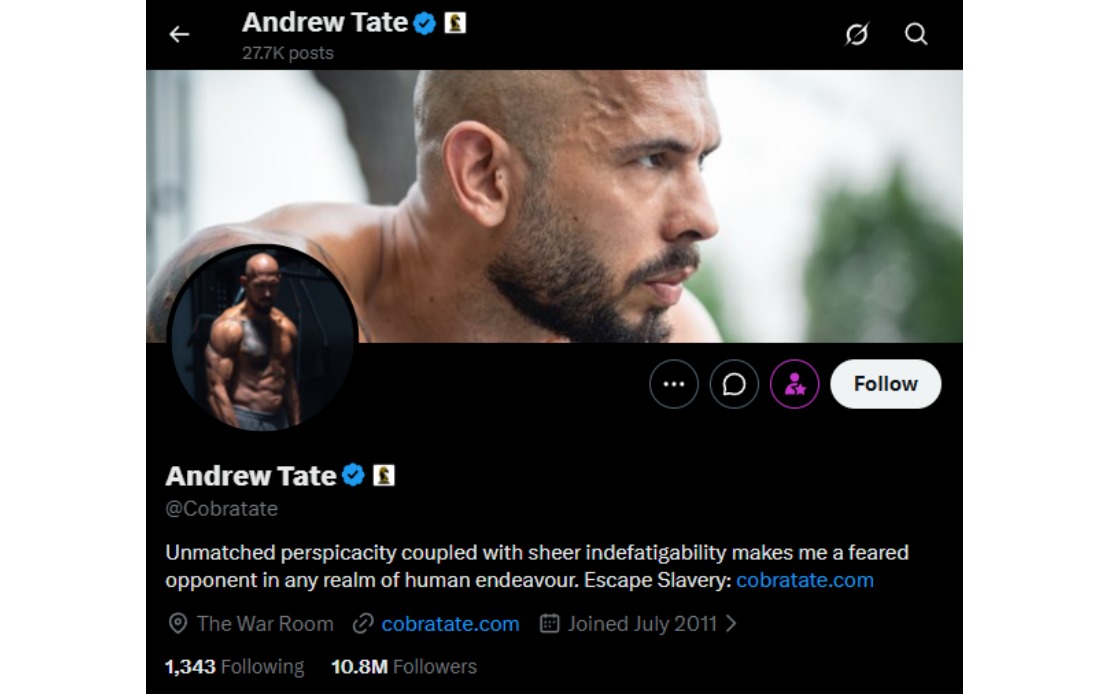
The arrest of Andrew Tate and his brother Tristan on Saturday in Miami marks a significant escalation in the legal troubles facing two of social media's most polarizing and widely-followed personalities. US Marshals Service officials confirmed the detention, which came after British prosecutors from the Crown Prosecution Service announced additional charges related to rape and human trafficking allegations. The development represents a crucial juncture in an ongoing international investigation that has drawn scrutiny from multiple jurisdictions and highlighted concerns about online influence and exploitation.
Andrew Tate has built a substantial following across social media platforms, positioning himself as a lifestyle and self-help influencer while generating considerable controversy through his public statements and worldview. His online presence has attracted millions of followers, though his messaging has repeatedly sparked debate regarding attitudes toward women and relationships. The arrest in the United States, rather than in Britain where the original investigations began, underscores the transnational complexity of modern prosecutions involving digital-age personalities whose influence transcends borders.
The timing of the US arrest follows a pattern of international cooperation between law enforcement agencies investigating allegations spanning multiple jurisdictions. British authorities had previously initiated inquiries into the brothers' conduct, and the progression to formal charges reflects the culmination of investigative work. The involvement of American law enforcement through the US Marshals Service suggests coordinated efforts to ensure custody and prevent potential flight risks, a consideration that typically becomes central in cases involving individuals with substantial financial resources and international mobility.
For Southeast Asian readers, the case offers insights into how social media personalities operating in the digital economy face increasing accountability regardless of geographic location. Several prominent online influencers and content creators based in the region have generated controversy through similar contentious messaging, raising questions about platform responsibility and the reach of international law enforcement. The Tate brothers' situation demonstrates that even individuals with massive online audiences ultimately remain subject to criminal jurisdiction and legal consequences.
The allegations encompassing rape and sex trafficking represent among the most serious charges that can be leveled against individuals, particularly those with public platforms. Such accusations carry implications beyond the immediate legal proceedings, affecting commercial partnerships, platform access, and broader reputation. For digital creators and influencers across Asia-Pacific, the case serves as a cautionary tale regarding the potential intersection of online influence, personal conduct, and criminal liability.
British prosecutors' decision to file additional charges indicates that investigations may have uncovered fresh evidence or identified additional alleged victims. The Crown Prosecution Service typically advances cases only when sufficient evidence exists to establish reasonable grounds for prosecution. The involvement of multiple alleged victims would suggest a pattern of conduct rather than isolated incidents, which carries distinct legal and sentencing implications in jurisdictions like Britain and potentially the United States.
The detention in Miami raises questions about extradition proceedings and jurisdiction. British authorities will likely seek to have the brothers returned to the United Kingdom to face charges in their original venue, though US prosecutors could potentially pursue parallel cases depending on evidence of illegal activity occurring within American territory. Such competing jurisdictional claims sometimes create extended legal proceedings as different authorities negotiate custody and prosecution priorities.
The broader context of online platforms' role in facilitating the reach and influence of controversial personalities remains relevant to this case. The brothers' ability to accumulate millions of followers despite consistently contentious public statements reflects the dynamics of modern social media ecosystems, where engagement and controversy sometimes correlate directly. Platforms have faced mounting pressure globally, including throughout Southeast Asia, to establish clearer standards regarding content moderation and creator conduct both on and off their services.
For Malaysian and regional readers with an interest in digital governance and platform accountability, the Tate case illustrates tensions between free expression, content moderation, and legal liability. Several Southeast Asian governments have implemented increasingly stringent regulations governing online content and influencer behavior, partly motivated by concerns about harmful messaging reaching young audiences. The arrest demonstrates that international legal frameworks can ultimately supersede platform policies and individual countries' regulatory approaches when serious criminal allegations emerge.
The investigation's progression also highlights evolving international law enforcement capabilities regarding digital-age crimes. Authorities increasingly coordinate across borders to investigate allegations involving online personalities, utilizing financial records, digital communications, and testimony from alleged victims spanning multiple countries. For Southeast Asia, where digital economy growth has outpaced regulatory development, understanding how international authorities operate becomes increasingly important for policymakers and law enforcement agencies developing responses to similar allegations.
The coming months will likely reveal additional details regarding specific charges, alleged victims, and the evidence basis for prosecutors' decisions. Extradition negotiations between British and American authorities may also influence the timeline and jurisdiction of proceedings. The case will ultimately contribute to evolving jurisprudence regarding how criminal liability attaches to online personalities and whether their public platform status affects prosecutorial decisions or sentencing considerations. The brothers maintain presumption of innocence until conviction, though the decision to arrest and detain them pending trial indicates prosecutors have satisfied relevant legal standards regarding flight risk or danger to potential witnesses.
As investigations continue and legal proceedings unfold across multiple jurisdictions, the Tate case will likely generate ongoing discussion about influencer accountability, platform responsibility, and the intersection of digital celebrity with criminal conduct. For regional stakeholders in media, technology, and governance, the developments offer valuable lessons regarding the importance of establishing clear standards and enforcement mechanisms regarding influencer behavior before crises necessitate reactive policy responses.

