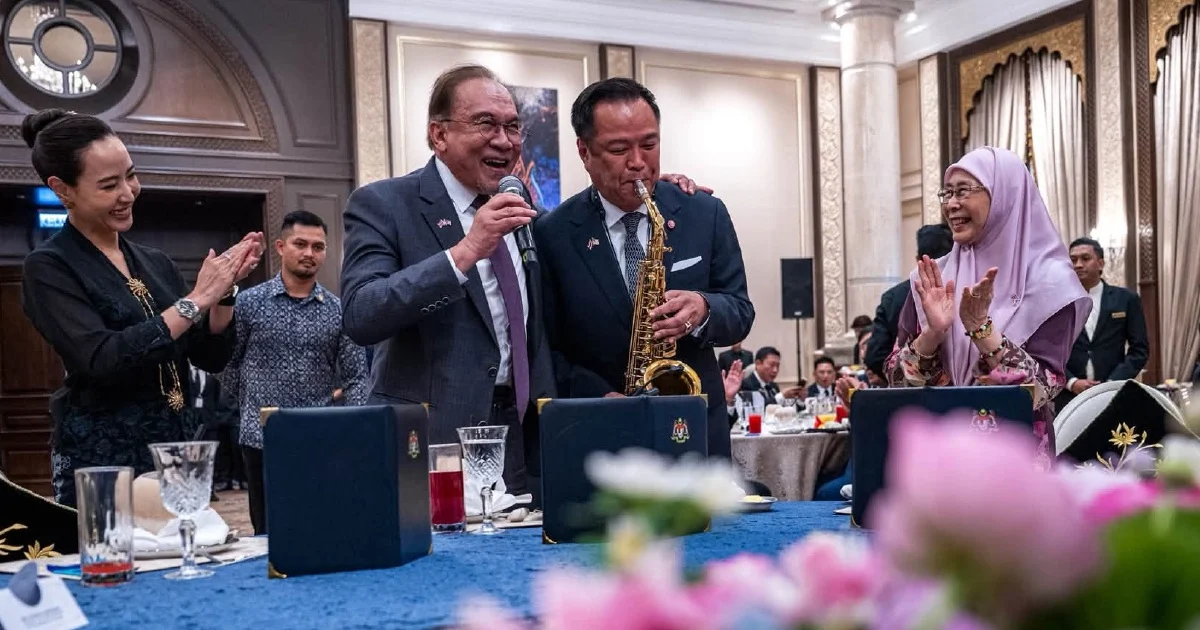
The formal atmosphere of bilateral diplomacy gave way to an unexpectedly convivial moment when Malaysia's Prime Minister Datuk Seri Anwar Ibrahim took to the microphone at an official luncheon in Putrajaya, belting out the iconic Frank Sinatra classic My Way. His Thai counterpart Anutin Charnvirakul, displaying a talent for the saxophone, provided live accompaniment to the impromptu performance, creating a memorable scene that underscored the warm relationship between the two Southeast Asian neighbours.
The musical interlude emerged naturally as the two leaders and their delegations concluded substantive bilateral discussions. Such moments, while rare in high-level diplomatic engagements, serve multiple purposes in the theatre of international relations. They humanize political leadership, provide media-friendly content, and most importantly, demonstrate a personal rapport between heads of government that can facilitate smoother cooperation on thornier policy matters. For observers of Malaysia-Thailand ties, this spontaneous display of camaraderie signals a comfortable working relationship at the highest level.
The choice of My Way carries its own resonance. Sinatra's 1969 composition, with its themes of individual conviction and self-determination, has become a global anthem of personal agency and self-assured leadership. In the context of an ASEAN leader performing the song, there is perhaps subtle symbolism around the autonomy that smaller nations assert in charting their own diplomatic and economic paths. Thailand and Malaysia, both middle powers in Southeast Asia, frequently navigate complex regional dynamics while maintaining their distinct national interests.
Prime Minister Anwar's willingness to engage in such unscripted moments reflects a leadership style that balances the gravitas of high office with accessibility and warmth. Since assuming office, he has cultivated an image that blends serious economic and governance commitments with moments of personable engagement. This particular performance, captured on video and subsequently circulated online, demonstrates his comfort in informal settings—a quality that can strengthen bilateral relationships by creating genuine human connection between leaders.
Anutin Charnvirakul's participation as a saxophonist reveals another dimension of his personality. The Thai Prime Minister, known for his significant role in Thai politics and his various cabinet positions over the years, demonstrated musical aptitude that many international observers may not have previously associated with him. This kind of personal revelation through informal diplomatic settings helps demystify political figures and can create talking points that extend beyond formal policy discussions, potentially making subsequent negotiations feel less adversarial.
Malaysia and Thailand share deep historical, cultural, and economic ties. The two nations cooperate extensively through ASEAN frameworks, bilateral trade arrangements, and collaborative efforts on regional security matters. Yet bilateral relations have occasionally encountered friction over border issues, cross-border trafficking, and water management concerns. Personal warmth between leaders, while not a substitute for robust institutional dialogue and clear negotiating positions, can create an environment more conducive to resolving differences constructively.
The luncheon itself formed part of wider bilateral engagement between the two governments. Such official functions typically include formal remarks, discussion of bilateral memoranda of understanding, and strategic coordination on matters of mutual concern. The official components remain the substance of such visits, determining actual policy outcomes and deepening institutional relationships. However, the informal elements—including musical performances—contribute to the overall tenor and trajectory of diplomatic engagement.
From a Malaysian perspective, strengthening ties with Thailand carries particular significance. Thailand is a major trading partner, with bilateral commerce exceeding US$10 billion annually. Cross-border investment flows in both directions, while tourism between the countries remains substantial. Thai agricultural products, particularly rubber and cassava, maintain important market relationships with Malaysia. Similarly, Malaysian investment in Thai manufacturing and services sectors contributes to both economies. Smooth diplomatic relations facilitate the removal of trade barriers and streamline business operations across the border.
The video of this performance circulated widely on Malaysian social media platforms, generating predominantly positive responses. Malaysians generally appreciated the moment as reflecting both the calibre of their Prime Minister and the friendly nature of Malaysia-Thailand relations. The informal nature of the content—two world leaders enjoying a musical moment together—provided refreshing counterpoint to the often-serious tone of political reporting, offering Malaysians a more relatable dimension to their nation's diplomatic representation.
For the broader Southeast Asian region, such displays of amicable leadership relations reinforce ASEAN's foundational principle of maintaining harmonious regional cooperation. As geopolitical tensions persist in the wider Indo-Pacific region, with great powers vying for influence and attention, the solidarity displayed between ASEAN members through such moments contributes to the bloc's coherence and collective bargaining power. When ASEAN leaders maintain warm personal relationships, they are more inclined to present unified positions on regional matters and support each other's initiatives within the association's frameworks.
The spontaneous nature of the performance also highlights an important aspect of modern diplomacy: the increasing role of informal channels and personal relationships in shaping policy outcomes. While formal treaties, agreements, and institutional mechanisms remain the backbone of bilateral relations, the personal trust and rapport between leaders can accelerate decision-making and facilitate creative problem-solving on complex issues. A leader who feels comfortable sharing a moment of personal enjoyment with a counterpart may be more receptive to collaborative approaches when challenges arise.
Looking forward, this musical moment serves as a gentle reminder that behind every diplomatic engagement, policy statement, and official pronouncement stand individual leaders with personalities, talents, and capacities for genuine human connection. While Malaysia's strategic interests in its relationship with Thailand remain clear and unchanged, moments like this contribute to the social fabric that makes bilateral and multilateral diplomacy more than mere transactional engagement. The image of two prime ministers united in appreciating Frank Sinatra's timeless composition reinforces the possibility that nations, like individuals, can find common ground and shared moments of joy even as they pursue distinct national interests in an increasingly complex world.

