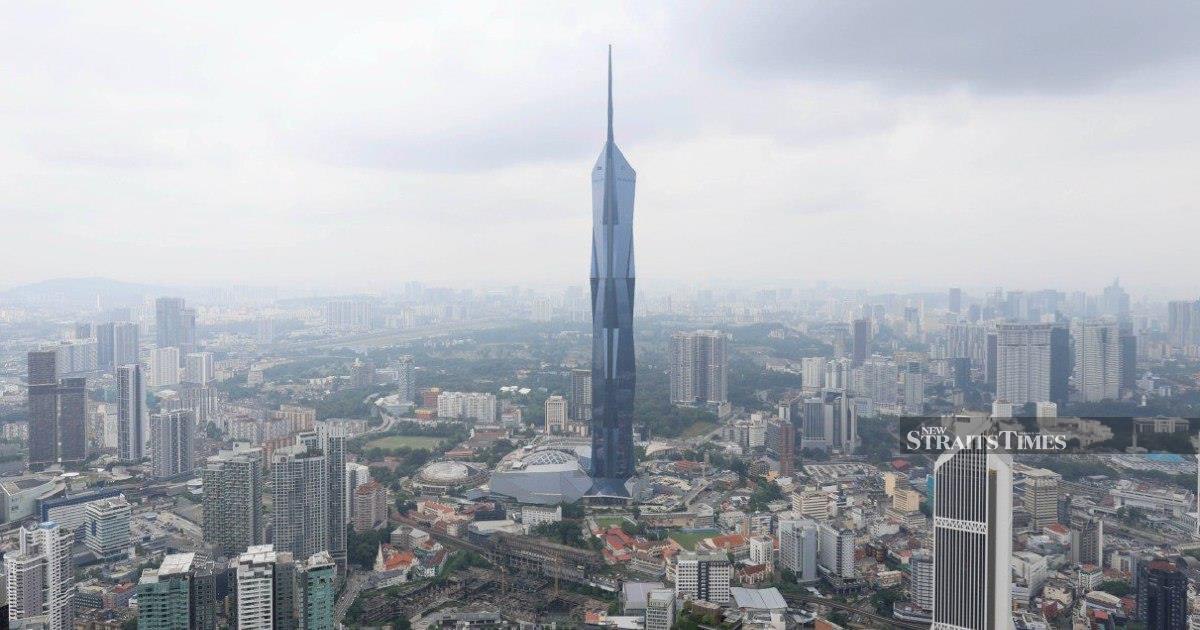
Prime Minister Datuk Seri Anwar Ibrahim is calling on the nation to seek divine intervention in tackling the persistent haze problem that has been affecting Malaysia in recent weeks, hoping for clearer skies as the country prepares for its National Day festivities on August 31. Speaking in Cyberjaya, the Premier acknowledged the widespread concern about air quality during what is traditionally one of Malaysia's most important civic celebrations, when Malaysians gather across the nation to mark the country's independence and unity.
The timing of Anwar's appeal underscores the tension between environmental challenges and the symbolic importance of the National Day period. August 31 celebrations involve significant outdoor gatherings, including parades, flag-raising ceremonies, and public events that bring communities together. Poor air quality would not only diminish the celebratory atmosphere but also pose genuine health risks to participants, particularly children, elderly citizens, and those with respiratory conditions who would be exposed to elevated pollution levels during prolonged outdoor activities.
The haze situation reflects the recurring air quality crisis that Malaysia faces, particularly during certain seasons when transboundary smoke from forest fires in neighbouring Indonesia combines with local pollution sources. This environmental issue has become increasingly predictable and bothersome for Malaysians, affecting daily life, business operations, and public health outcomes. The Air Pollutant Index readings in various regions have been a source of anxiety for residents who must decide whether outdoor activities are safe for their families.
Anwar's invocation of prayer as a mechanism for addressing the haze crisis carries cultural and religious significance within the Malaysian context, where the majority Muslim population views collective supplication as a legitimate complement to practical environmental management. However, his appeal also implicitly acknowledges the limitations of immediate governmental action in controlling transboundary air pollution, which often requires coordinated regional responses involving Indonesia and other Southeast Asian neighbours.
The diplomatic dimensions of the haze problem have long complicated Malaysia's environmental policy. Smoke from forest fires across the border in Indonesia's Kalimantan and Sumatran regions has historically been a contentious issue between the two countries. Efforts to pressure Indonesia into stricter fire prevention measures have yielded mixed results over the years, making short-term resolution of haze events particularly challenging. Regional cooperation frameworks have been established, but enforcement and compliance remain inconsistent.
For Malaysian event planners and authorities preparing National Day activities, the haze situation presents operational challenges. Contingency plans likely include provisions for indoor components of celebrations or adjustments to outdoor event schedules, depending on air quality forecasts. Government agencies have presumably been monitoring meteorological predictions and Air Pollutant Index trends, though these forecasts can be unpredictable, especially when weather patterns shift unexpectedly.
The public health implications of celebrating National Day during compromised air quality conditions warrant consideration. Medical professionals have consistently warned that exposure to haze aggravates conditions like asthma, chronic obstructive pulmonary disease, and other respiratory ailments. The healthcare system would potentially face increased demand during and after poorly air-quality periods, particularly in emergency departments handling acute respiratory incidents among vulnerable populations.
From a broader perspective, Anwar's statement reflects the ongoing struggle between Malaysia's aspirations as a modern, developed nation and the environmental constraints that persist within the region. The nation has invested substantially in air quality monitoring infrastructure and public awareness campaigns about haze dangers, yet the recurring crisis demonstrates the limits of unilateral action in addressing a transboundary phenomenon. This tension will likely remain a characteristic feature of Malaysian environmental management for the foreseeable future.
The appeal for prayers also resonates with a particular governance approach where spiritual and material responses to challenges are presented as complementary. While environmental scientists and engineers work on technical solutions—whether through air purification technologies, enhanced monitoring systems, or regional negotiations—political leaders simultaneously mobilise cultural and religious resources to address collective anxieties. This dual approach reflects Malaysia's multicultural and multifaith character, though its effectiveness in actually reducing haze remains an empirical question.
Looking ahead to the August 31 period, weather services will be critical in shaping National Day planning decisions. Wind patterns, rainfall, and atmospheric pressure systems across the region will determine whether haze accumulates or disperses. Meteorologists have become key figures in Malaysia's annual cycle of environmental concern, with their forecasts influencing public health advisories and event logistics as significantly as policy decisions.
Ultimately, Anwar's prayer appeal represents both a pragmatic acknowledgment of environmental uncertainty and an expression of collective hope that shared values transcend environmental challenges. Whether measured through improved air quality readings or through the nation's ability to celebrate its National Day with dignity despite atmospheric constraints, the coming weeks will test Malaysia's resilience and adaptability in the face of recurring environmental pressures.

