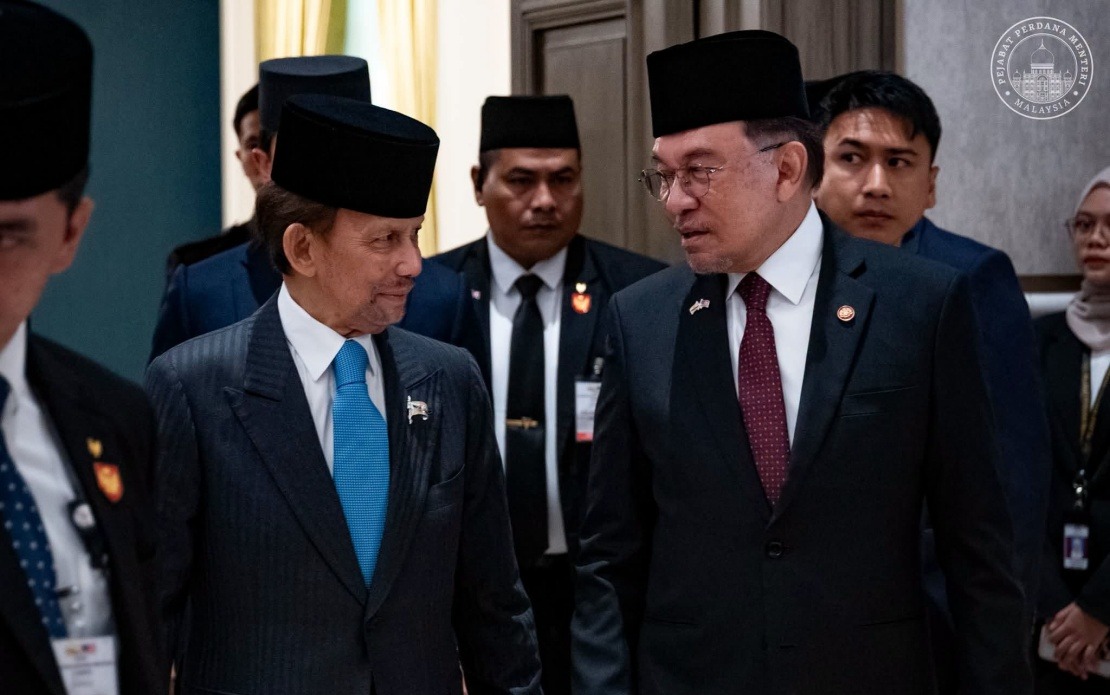
Prime Minister Datuk Seri Anwar Ibrahim received a phone call from Sultan Hassanal Bolkiah of Brunei Darussalam on August 12, during which the Brunei monarch inquired about the Malaysian leader's health and offered prayers for his recovery. The gesture underscores the close bilateral relationship between the two neighbouring nations and the personal rapport maintained at the highest levels of leadership in Southeast Asia.
Anwar, who announced the call through a Facebook post, expressed gratitude for the Sultan's concern and reciprocated by wishing continued good health and divine blessings upon His Majesty. The exchange reflects the courtesies traditionally observed between heads of state in the region, particularly among countries with longstanding diplomatic ties. Such interactions, though seemingly routine, carry diplomatic significance in reinforcing the strong foundation of Malaysia-Brunei relations.
The timing of the call is relevant given that Anwar recently underwent an elective laparoscopic procedure to address a para-umbilical hernia. The surgery took place the previous Monday, and the Prime Minister remains under continuous observation by a team of medical specialists. Despite the medical procedure, Anwar has maintained his official responsibilities and continues to engage in diplomatic matters, demonstrating his commitment to governance even during the recovery phase.
Anwar's forthcoming meeting with Sultan Hassanal Bolkiah will take place in Bandar Seri Begawan the following week, timed to coincide with the 27th Annual Leaders' Consultation, or ALC, between the two nations. This gathering represents a key bilateral forum where Malaysia and Brunei address matters of mutual concern, ranging from economic cooperation to regional security and cultural exchanges. The scheduled audience highlights that despite health considerations, diplomatic engagements remain a priority for the Malaysian administration.
The Malaysia-Brunei relationship extends beyond ceremonial interactions and encompasses substantive cooperation across multiple sectors. Both nations share maritime boundaries, cultural heritage, and economic interests in the Southeast Asian region. The annual consultations provide structured platforms for leaders to assess progress on bilateral agreements and identify emerging areas for collaboration, making these meetings integral to the diplomatic calendar.
Brunei's proactive expression of concern for Anwar's wellbeing reflects the respect and camaraderie characteristic of ASEAN leadership circles. In an era where regional cooperation faces various pressures and challenges, such personal connections between leaders help maintain the collegial atmosphere necessary for effective multilateral engagement. The gesture also demonstrates that despite individual nations pursuing distinct policy objectives, there exists a shared commitment to regional stability and prosperity.
From a Malaysian perspective, the incident illustrates how even brief interruptions to the Prime Minister's full capacity do not significantly disrupt the machinery of government or diplomatic obligations. The scheduled bilateral consultation proceeds as planned, suggesting confidence in Anwar's recovery trajectory and the resilience of Malaysia's institutional frameworks. For regional observers, such continuity provides reassurance about the stability of governance in one of Southeast Asia's more significant economies.
The para-umbilical hernia procedure, while medically routine and not typically classified as a major surgery, nevertheless required hospitalization and recovery monitoring. Anwar's willingness to undergo elective treatment proactively rather than postponing demonstrates a pragmatic approach to personal health management. The decision to proceed with the procedure despite his demanding schedule reflects prioritization of long-term wellbeing over short-term convenience, a consideration important for public figures whose health impacts national leadership continuity.
Brunei's Sultan Hassanal Bolkiah, one of Southeast Asia's longest-serving monarchs, has consistently emphasized the importance of fostering strong interstate relationships. His personal attention to Anwar's health recovery exemplifies this commitment to maintaining warm bilateral ties. Such courtesies, while rooted in diplomatic protocol, also convey authentic concern and strengthen the personal bonds between leaders that often facilitate smoother negotiations on substantive issues.
Looking ahead, the ALC meeting in Bandar Seri Begawan will likely address various items on the Malaysia-Brunei agenda, potentially including trade facilitation, maritime cooperation, educational exchanges, and responses to regional developments. The consultation framework has proven durable over its 27-year history, testament to the stability and mutual benefit both nations derive from regular high-level dialogue. Anwar's participation, despite his recent surgical procedure, underscores the importance attached to these meetings by Malaysia's leadership.

