%22%2F%3E%3C%2Fpattern%3E%3C%2Fdefs%3E%3Crect%20width%3D%22100%25%22%20height%3D%22100%25%22%20fill%3D%22url(%23ph5q5h7g)%22%2F%3E%3Crect%20width%3D%22100%25%22%20height%3D%22100%25%22%20fill%3D%22url(%23ph5q5h7p)%22%2F%3E%3Ctext%20x%3D%2250%25%22%20y%3D%2250%25%22%20text-anchor%3D%22middle%22%20dominant-baseline%3D%22central%22%20fill%3D%22rgba(255%2C255%2C255%2C0.95)%22%20font-family%3D%22Georgia%2C%20'Times%20New%20Roman'%2C%20serif%22%20font-weight%3D%22700%22%20font-size%3D%22272%22%20letter-spacing%3D%22-0.02em%22%3EAnwar%3C%2Ftext%3E%3C%2Fsvg%3E)
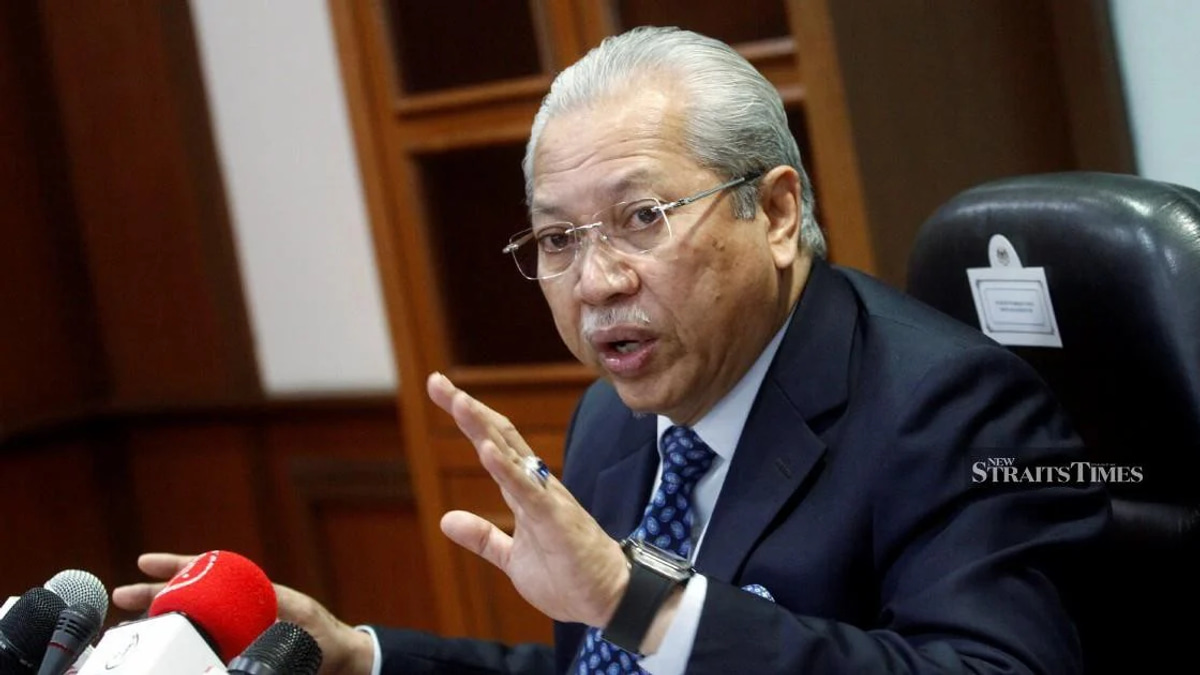
Prime Minister Datuk Seri Anwar Ibrahim has outlined an ambitious agenda for deepening engagement between the Association of Southeast Asian Nations and Russia, positioning cooperation across trade, technology, and energy as crucial pillars for both regions' development. Speaking in Kazan, the Malaysian leader articulated a vision that moves beyond conventional diplomatic rhetoric to address concrete economic opportunities and shared challenges facing the two geopolitical spheres.
Anwar's intervention reflects Malaysia's broader strategic positioning as a bridge between Asia and global powers, a role the nation has cultivated through multilateral engagement. By championing closer Asean-Russia ties, Malaysia signals its commitment to fostering international relationships that transcend Cold War-era divisions and instead emphasize pragmatic collaboration grounded in mutual benefit. This approach aligns with Kuala Lumpur's long-standing foreign policy of non-alignment and balanced relations with major powers.
The emphasis on trade cooperation carries particular significance given current global economic fragmentation. Asean's combined GDP and consumption power represent one of the world's most dynamic markets, while Russia possesses substantial natural resources and technological capabilities. Enhanced commercial ties could create diversified supply chains that reduce dependence on Western-dominated networks, offering both regions greater autonomy in economic decision-making. For Malaysian businesses and consumers, expanded Asean-Russia trade would translate into additional market access and competitive sourcing options across various sectors.
Artificial intelligence emerged as a focal point of Anwar's diplomatic pitch, underscoring recognition that technological advancement increasingly determines economic competitiveness and governance capacity. Asean nations, including Malaysia, are rapidly establishing AI ecosystems with significant investment in research institutions and startup ventures. Russian expertise in mathematics, software development, and quantum computing complements Southeast Asia's manufacturing prowess and digital adoption rates. Collaborative research initiatives and knowledge exchange programmes could accelerate innovation cycles across the region while building human capital in high-value sectors.
Energy cooperation represents perhaps the most strategically vital dimension of the proposed partnership. Asean's energy demand continues surging as millions enter the middle class and industrialization intensifies, while Russia remains among the world's largest energy producers. Current geopolitical tensions have created volatility in global energy markets, prompting Asian nations to diversify suppliers and secure long-term arrangements beyond traditional Middle Eastern sources. Russian natural gas, coal, and increasingly renewable energy technology could strengthen Asean's energy security while providing stable revenue streams for Moscow amid international sanctions.
For Malaysia specifically, deeper Asean-Russia energy collaboration carries implications for domestic energy planning and industrial competitiveness. As the nation works to balance economic growth with environmental commitments, access to diverse energy solutions and potential partnerships in liquefied natural gas markets could enhance strategic flexibility. Malaysian energy companies might also explore joint ventures in Russian technology transfer or infrastructure development across the region.
Anwar's advocacy must be understood within the context of Asean's traditional emphasis on maintaining equidistance from major powers. The bloc has historically resisted pressure to align exclusively with any single power center, instead cultivating relationships that preserve autonomy and enable members to pursue distinct national interests. By promoting Asean-Russia cooperation, Anwar reaffirms this principle while countering perceptions that the region gravitates inevitably toward Western or Chinese spheres of influence. Such balancing acts have grown more intricate as global polarization intensifies.
The Kazan setting itself carries symbolic weight. As a major Russian city and economic hub, the location signals serious engagement rather than ceremonial interaction. Hosting dialogue in Russia's heartland rather than neutral international venues underscores commitment to substantive discussion and relationship-building beyond multilateral forums where positions often remain carefully calibrated for broad Asean consensus.
Implementing the partnership framework requires navigating significant practical challenges. Sanctions regimes limit certain bilateral transactions and complicate banking arrangements, while geographic distance and limited existing infrastructure slow commerce development. Asean nations maintain diverse relationships with Russia and the West, meaning unified positioning on controversial geopolitical issues remains problematic. Thailand, Vietnam, and Indonesia each bring distinct strategic interests and historical relationships to any Asean-Russia initiative.
Nevertheless, economic interdependence creates powerful incentives for engagement. Trade volumes between individual Asean members and Russia have grown substantially despite sanctions, indicating both regions value commercial ties sufficiently to navigate political obstacles. Expanding these connections through official channels and dedicated cooperation mechanisms could formalize and deepen existing commercial relationships while opening new sectors.
For Malaysia's broader foreign policy objectives, Anwar's emphasis on Asean-Russia partnership reinforces positioning as a credible, independent-minded nation capable of engaging responsibly with all major powers. This credibility supports Malaysia's aspirations to host international events, attract foreign investment, and exercise influence in regional forums. It also demonstrates to domestic audiences commitment to pursuing national interests pragmatically without ideological constraints.
The success of any enhanced partnership ultimately depends on translating diplomatic statements into institutional arrangements, funding mechanisms, and business activities. Establishing working groups, facilitating government and private sector delegations, and creating preferential trading conditions would translate Anwar's vision into tangible benefits. Without such follow-through, the initiative risks remaining aspirational rather than transformative.