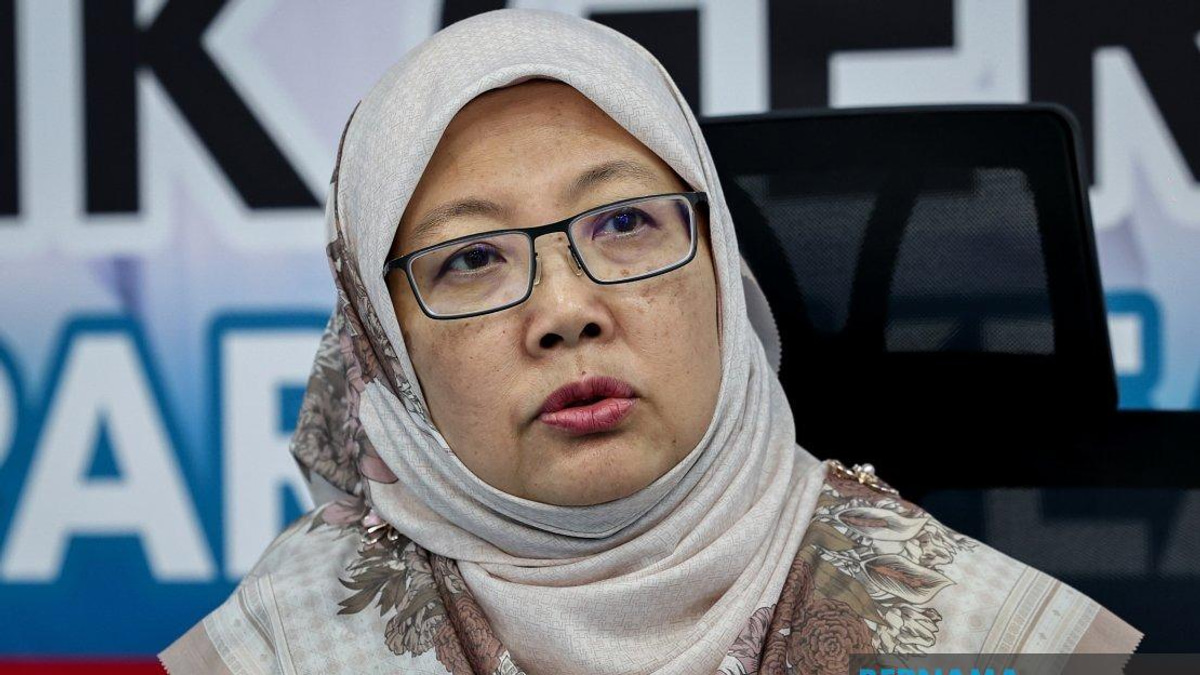
Perikatan Nasional has implemented a formal requirement stipulating that any activity or gathering conducted under the coalition's banner must first secure clearance from its chairman, Datuk Seri Dr Ahmad Samsuri Mokhtar. The directive, announced through secretary-general Datuk Seri Takiyuddin Hassan, represents a tightening of governance controls within the opposition alliance as it seeks to prevent unauthorized use of its name and organizational structures.
The enforcement of this protocol stems from official correspondence received from the Registrar of Societies (ROS) dated June 19, 2026, which addressed various administrative and operational matters pertaining to the coalition. This communication from the statutory body served as the trigger for PN to clarify its internal governance procedures and reinforce existing constitutional safeguards regarding the utilization of the coalition's identity.
In the ROS letter, the registrar formally acknowledged receipt and documentation of minutes from PN's extraordinary Supreme Council meeting held on February 22, 2026. The registrar's correspondence confirmed that the council had properly processed the resignation of the previous chairman and officially recognized the appointment of the current chairman, providing the necessary administrative and legal footing for the leadership transition within the coalition.
The registrar's office additionally confirmed receipt of records from the inaugural Supreme Council meeting of 2026, convened on March 14, with particular attention to the documentation of newly appointed leadership positions and the restructured composition of the PN Supreme Council's committee membership. This formal acknowledgment by the ROS essentially validated the coalition's internal organizational changes and ensured that all procedural requirements under the relevant legislation had been satisfied.
Takiyuddin emphasized that Perikatan Nasional remains steadfastly committed to maintaining the highest standards in executing its operational, administrative, and management functions. The coalition's leadership has underscored its dedication to strict adherence with both the party constitution and the provisions of Act 832, the legislation governing the registration and operations of political organizations in Malaysia. This commitment reflects broader efforts within PN to demonstrate institutional discipline and regulatory compliance.
The timing of this announcement proves significant, as it appeared to address emerging concerns within the coalition structure. Social media had circulated promotional material depicting what was purportedly a scheduled PN Supreme Council meeting, featuring an artificially generated image of Bersatu president Tan Sri Muhyiddin Yassin positioned as the intended chair of the gathering. The poster had suggested Muhyiddin would lead proceedings, a claim that prompted swift denial from Bersatu's secretary-general Datuk Seri Mohamed Azmin Ali.
The circulation of the AI-generated imagery and misleading claims about the scheduled meeting underscores vulnerabilities in PN's organizational communications that the new approval protocol seeks to address. By centralizing authorization for activities bearing the coalition's name, PN aims to prevent the recurrence of incidents involving unauthorized representations or fraudulent use of the alliance's identity and leadership imagery.
For Malaysian political observers, the requirement carries broader implications regarding coalition management and internal party discipline. As opposition alliances in Malaysia navigate complex power-sharing arrangements and competing leadership interests, formalized approval mechanisms serve as critical tools for maintaining structural integrity and preventing opportunistic actors from exploiting the coalition's name for unauthorized purposes. The measure reflects lessons learned from previous instances of intra-coalition disputes that have affected opposition unity.
The ROS acknowledgment of PN's leadership transition and organizational restructuring validates the constitutional processes through which the coalition conducted its chairmanship change. By securing formal regulatory recognition of these governance matters, PN has established a clear administrative foundation for exercising organizational control and enforcing internal compliance with established protocols. This documentation-focused approach demonstrates how political coalitions in Malaysia must navigate both internal party law and external regulatory requirements.
The enforcement of chairman approval for coalition-branded activities also carries practical significance for the member parties within Perikatan Nasional, which include Bersatu, PAS, and other aligned organizations. The protocol clarifies that individual parties cannot unilaterally stage events using the coalition's name or branding without securing explicit authorization from the central PN administration, thereby preventing parallel organizational activities that might create confusion or undermine unified messaging.
As Malaysia's opposition landscape continues to evolve with shifting alliances and leadership dynamics, governance structures that prevent unauthorized or misleading representation of coalition identity become increasingly important. The measure adopted by PN reflects a mature approach to institutional management, wherein clear authorization pathways and centralized approval mechanisms help maintain organizational credibility and prevent the type of misinformation incidents that had prompted this clarification.
Looking forward, this directive will likely serve as a template for how PN manages communications and prevents the propagation of false or misleading information bearing the coalition's identity. The emphasis on formal approval processes, combined with the coalition's demonstrated commitment to regulatory compliance and constitutional governance, positions PN to address similar challenges more effectively and maintain tighter oversight of its organizational brand and public representation.