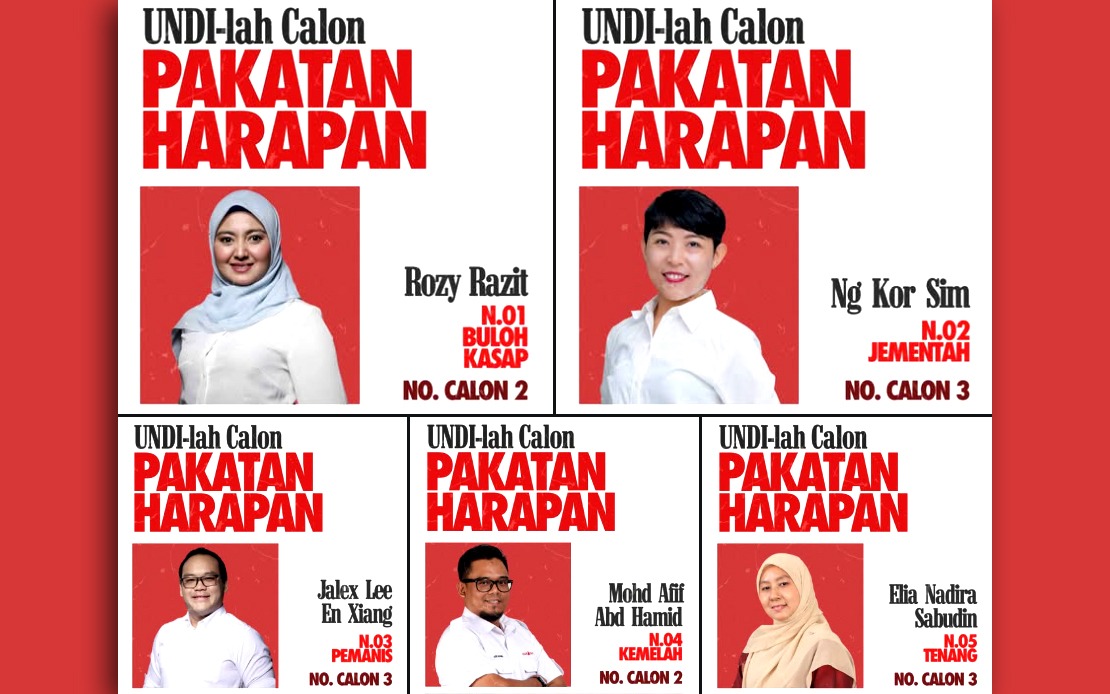
Prime Minister Anwar Ibrahim, in his capacity as Pakatan Harapan chairman, has launched a high-profile appeal to the voters of Johor, seeking their backing for the coalition's candidates in the upcoming state election. The appeal, made through a Facebook post, represents a pivotal moment in the campaign strategy ahead of polling day on July 11, with early voting set for July 7. Anwar's direct engagement with Johor residents underscores the significance of the state election to the federal government's political standing and legislative agenda.
Anwar framed the coalition's appeal around the concept of trust, pledging that Pakatan Harapan would exercise any mandate granted to it with unwavering commitment and integrity. The prime minister explicitly assured voters that the coalition would not squander the confidence placed in it, a message likely designed to address ongoing concerns about political reliability and governance standards that have shaped public discourse in Malaysia in recent years. This emphasis on accountability and trustworthiness reflects an attempt to differentiate Pakatan Harapan from rival political formations in the eyes of the electorate.
In a gesture that blends religious and ethical dimensions, Anwar drew upon Islamic teachings to reinforce his message. He quoted Verse 58 of Surah An-Nisa, a passage that emphasises the sacred obligation to fulfil trusts and uphold justice in all dealings. This invocation of scripture serves multiple purposes: it appeals to the values held by Johor's predominantly Muslim population, frames the political contest within a moral framework, and positions the coalition as guided by principles beyond mere electoral calculation. Such rhetorical choices reveal the sophisticated messaging strategies employed in Malaysian political campaigns.
The scope of Pakatan Harapan's electoral ambitions is evident from its decision to contest all 56 seats available in the Johor state assembly. This comprehensive approach indicates the coalition's confidence in its organisational capacity and grassroots support across the state, while also signalling its determination to secure a decisive mandate rather than settle for a narrow majority. The decision to field candidates in every constituency removes any ambiguity about the coalition's intentions and demonstrates a commitment to offering voters across the state a genuine choice at the ballot box.
Johor holds particular strategic significance within Malaysia's political landscape. As the country's southernmost peninsular state, it represents a substantial electoral prize with considerable economic clout and demographic weight. The state's political complexion has shifted over recent years, and securing control of Johor would strengthen Pakatan Harapan's position at the federal level while demonstrating sustained public confidence in the coalition's governance model. Conversely, a poor performance in the state would undermine the narrative of political momentum that the coalition has attempted to build since the 2022 general election.
The timing of the Johor election also carries broader implications for Malaysian politics. Taking place roughly eighteen months after the 2022 general election, it provides the first major electoral test of the unity government's performance and popularity. Voter sentiment expressed during the July 11 polls will likely serve as an indicator of public confidence in the federal administration's handling of key issues, including economic management, cost-of-living pressures, and the delivery of campaign promises. Political analysts across the region will monitor the results as a barometer of the political health of Southeast Asia's third-largest economy.
Anwar's appeal represents a calculated effort to energise the coalition's base while reaching out to persuadable voters in Johor. By positioning the election as a choice between continuity and stability under Pakatan Harapan versus alternatives offered by opposition parties, the prime minister frames the contest in terms likely to resonate with voters concerned about consistent governance. The emphasis on commitment and trust attempts to redirect public attention toward abstract qualities of leadership and reliability rather than specific policy disagreements.
The campaign context matters significantly. Johor has historically been a competitive political arena where state and federal politics intersect in complex ways. Voters in the state may weigh their support for Pakatan Harapan's federal government against the track record of the coalition's state-level administration, if already in place, or their expectations should the coalition assume power. Local issues—including land development, water supply, education infrastructure, and economic opportunities—will inevitably shape voting behaviour alongside broader national considerations.
Opposition parties will undoubtedly mount their own campaigns presenting alternative visions for Johor's development and governance. The competition for Johor's electoral support reflects deeper ideological and organisational rivalries within Malaysia's political system. The outcome will influence not only the composition of the Johor state assembly but also the trajectory of Malaysian politics heading into subsequent electoral contests and the balance of power within the federal system. Anwar's early and direct appeal to voters signals that Pakatan Harapan intends to contest the election vigorously and strategically, placing considerable emphasis on persuading Johor residents that the coalition merits their continued support.

