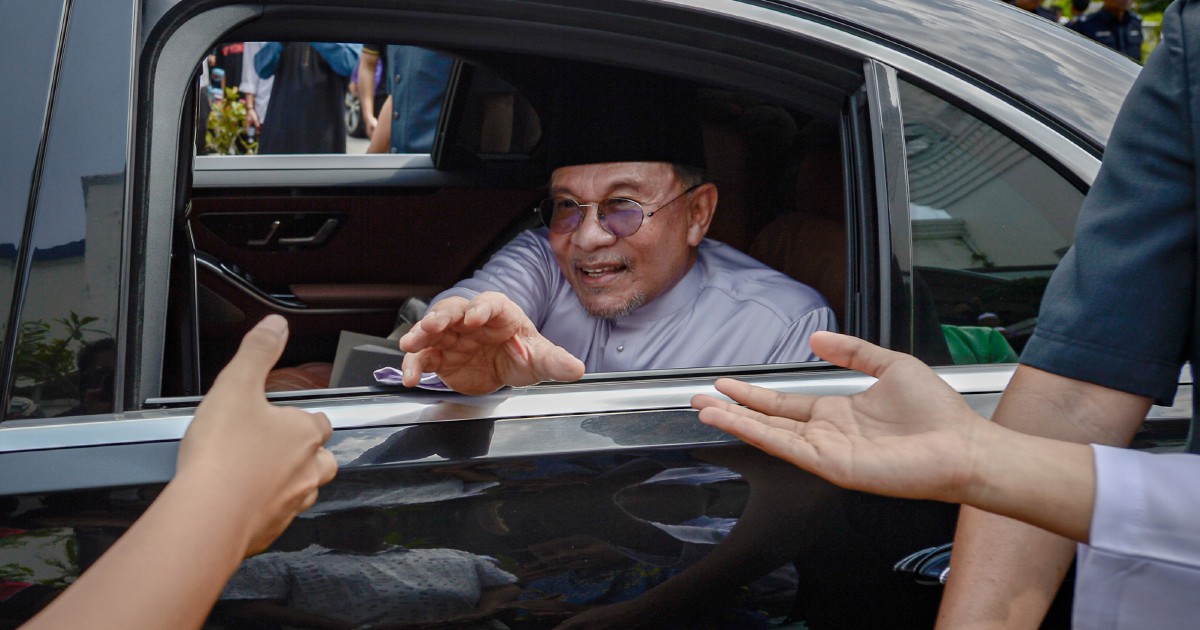
Prime Minister Datuk Seri Anwar Ibrahim is taking his campaign to Negri Sembilan as Pakatan Harapan seeks to capitalize on electoral opportunities in the state. The move signals the coalition's determination to maintain momentum during the ongoing state election, with senior leadership engagement considered crucial to influencing voter sentiment in the critical final stages of campaigning.
Negri Sembilan holds strategic importance for Pakatan Harapan, serving as a battleground state where multiple coalitions compete for voter support. The region's electoral dynamics reflect broader political patterns across the Klang Valley and Selangor corridor, making performance here indicative of the coalition's strength in the wider Klang Valley economic zone and surrounding constituencies. Local issues including economic development, infrastructure investment, and social services form the core messaging for candidates competing in the state.
Anwar's personal involvement in the campaign trail underscores the significance Pakatan Harapan places on this election cycle. Prime ministerial endorsements carry considerable weight among voters, particularly in constituencies where marginal differences between competing candidates determine outcomes. The timing of his visit aligns with the coalition's broader strategy to deploy leadership figures in constituencies where voter mobilization remains incomplete or where opposition momentum poses challenges.
The coalition's campaign strategy encompasses multiple messaging pillars addressing voter concerns from the working class to the professional middle class. Economic resilience, job creation, and the government's role in stabilizing costs of living feature prominently in Pakatan Harapan's narrative. The state election provides a platform to present the government's developmental achievements while simultaneously mobilizing grassroots support networks that have traditionally formed the coalition's electoral backbone.
Negri Sembilan voters increasingly view state elections as opportunities to signal support or dissatisfaction with federal government performance. This phenomenon, observed across multiple election cycles, means that national-level sentiment significantly influences state-level outcomes. Anwar's campaign presence attempts to frame the state election within the context of the federal government's reform agenda and policy achievements, creating linkage between state ballots and national priorities.
Opposition parties competing in Negri Sembilan have intensified their own campaign activities, making the electoral environment considerably more contested than in previous cycles. Perikatan Nasional and Barisan Nasional maintain active campaigning operations, necessitating aggressive outreach by Pakatan Harapan to prevent vote leakage to rival coalitions. The stakes extend beyond state-level legislative control, with implications for the federal political landscape and government stability considerations.
Demographic trends in Negri Sembilan reveal an increasingly diverse electorate comprising urban professionals, industrial workers, and rural constituents with varying policy priorities. Pakatan Harapan's messaging must address this heterogeneity through tailored communications that resonate across different socioeconomic segments while maintaining overall coalition coherence. Anwar's campaign visit includes outreach to multiple constituencies, reflecting the broad geographic scope of coalition strategy.
Infrastructure development and economic diversification represent key selling points for Pakatan Harapan's platform in Negri Sembilan. The state government's capacity to implement federal funding allocations, attract investments, and create employment opportunities directly influences voter assessment of coalition performance. Development projects completed during the current administration provide concrete evidence for campaign messaging, while infrastructure commitments serve as promises for future progress.
The role of grassroots party machinery remains essential to converting campaign rhetoric into electoral victories. Pakatan Harapan's local volunteer networks, community leaders, and party representatives require coordination and strategic direction from senior leadership to maximize voter contact and mobilization efforts. Anwar's campaign presence energizes these networks while providing opportunities for direct feedback on voter concerns and electoral challenges.
Young voters in Negri Sembilan increasingly view elections through the lens of digital engagement and social media discourse alongside traditional campaign methods. Pakatan Harapan's campaign strategy integrates online messaging platforms with ground-level canvassing, attempting to reach voters across multiple communication channels. The demographic concentration of younger voters in urban areas affects campaign resource allocation and messaging prioritization.
Communal and religious considerations carry significant weight in Negri Sembilan electoral calculations, with constituency-specific issues gaining prominence during campaign seasons. Pakatan Harapan's coalition structure requires balancing diverse community interests and ensuring inclusive policy messaging that appeals across religious and ethnic lines. Campaign visits by senior leadership provide platforms for reaffirming commitment to communal harmony and representative governance.
The election's outcome carries implications extending beyond state boundaries, influencing coalition dynamics at the federal level and affecting government stability calculations. Opposition parties view Negri Sembilan as an opportunity to demonstrate capacity to challenge Pakatan Harapan's governing authority, while coalition partners assess relative performance in different constituencies. Results provide early indicators of voter sentiment heading into potential future federal electoral contests.
Anwar's campaign engagement reflects the government's broader commitment to sustained electoral competition and democratic participation. The intensity of campaign activities across multiple states simultaneously demonstrates the federation's active political environment and the stakes involved in state governance. Moving forward, election outcomes in Negri Sembilan will shape political narratives and inform strategy adjustments for competing coalitions as they prepare for potential future contests.

