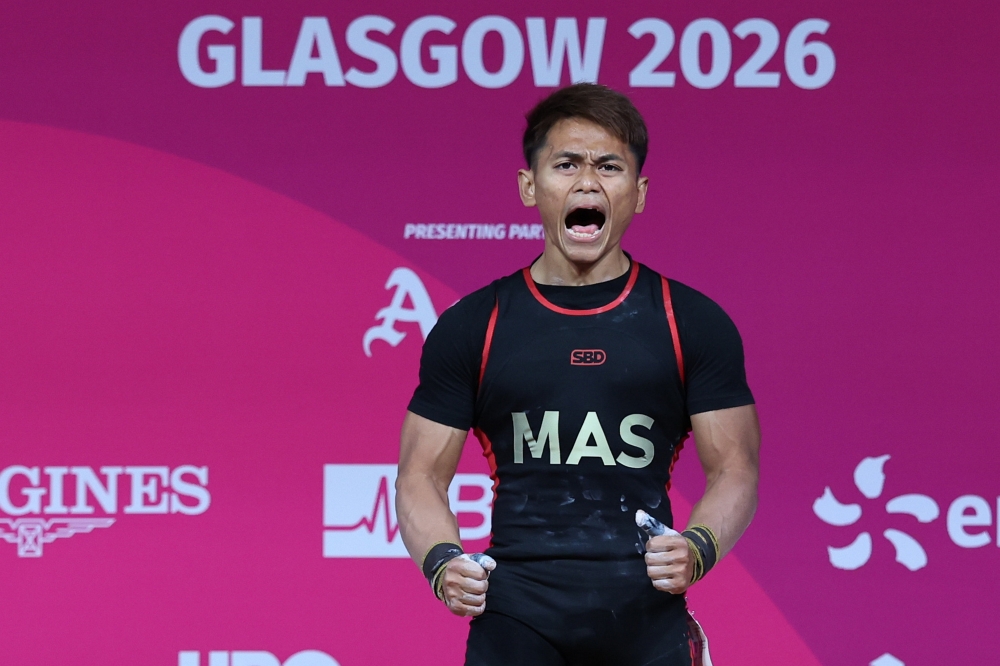
Prime Minister Datuk Seri Anwar Ibrahim has publicly commended weightlifter Mohamad Aniq Kasdan following his historic achievement at the Commonwealth Games, where he secured Malaysia's inaugural gold medal in the Games' history. The accolade represents a significant milestone for the nation's athletic programme and underscores the potential for Malaysian competitors to excel against top international talent, signalling renewed optimism within the sports establishment and beyond.
Kasdan's triumph carries profound symbolic weight for a nation that has long punched below its weight in Commonwealth sporting competition despite fielding strong contingents across multiple disciplines. The achievement resonates particularly deeply in Malaysia, where individual gold medals at major multi-sport tournaments remain relatively rare, and where the spotlight often falls upon a narrow band of established sporting disciplines. This breakthrough success by a weightlifter suggests that investment and focus in previously underperforming areas can yield tangible results, offering a blueprint for nurturing talent across other Olympic and Commonwealth sports.
The Prime Minister's public acknowledgement of Kasdan's success reflects the government's wider commitment to elevating Malaysia's international sporting profile. In recent years, the administration has signalled intentions to strengthen support systems for athletes, from grassroots development through to elite training facilities and financial backing for competitors targeting major championships. Such visible endorsement from the nation's highest office sends a message to both current and prospective athletes that their achievements matter on the national stage, potentially encouraging greater participation and dedication within the athlete pipeline.
Commonwealth Games representation holds particular importance within Malaysian sporting discourse, as the biennial competition remains one of the most accessible major tournaments for emerging sporting nations. Unlike the Olympics, which demands participation across a broader spectrum of sports and imposes higher qualification thresholds, the Commonwealth Games framework allows for deeper focus on specific disciplines where nations can cultivate competitive advantages. Malaysia's gold-medal success therefore opens conversations about strategic prioritisation—identifying sports where the nation possesses natural advantages, whether through climate, existing infrastructure, or cultural participation patterns.
Weightlifting specifically has historically offered Malaysian competitors reasonable prospects for international success, given the sport's technical nature and the availability of coaching expertise within the region. Kasdan's victory validates the decision by sports authorities to invest concentrated effort in developing elite weightlifting programmes, suggesting that such targeted approaches can generate outsized returns compared to diffused funding across numerous sports. The success also raises questions about whether similar concentration in other disciplines—badminton, diving, or table tennis, for instance—might yield equally impressive results at future Commonwealth Games.
From a broader Southeast Asian perspective, Kasdan's achievement carries implications for regional sporting dynamics. The Commonwealth comprises nations with vastly different resources and sporting infrastructure, yet Malaysia competes alongside both wealthier nations like Australia and smaller island states with limited facilities. A Malaysian gold medal demonstrates that strategic investment, combined with athlete dedication and quality coaching, can overcome resource disparities. This message resonates across the region, where many nations grapple with balancing sporting ambitions against finite budgets and competing developmental priorities.
The timing of this achievement also matters contextually. As Malaysia navigates complex domestic political circumstances and economic considerations, sporting successes provide positive narratives that transcend partisan divisions and unite citizens around shared achievement. The Prime Minister's prompt congratulations illustrate how governments typically leverage sporting victories for national morale-boosting purposes, yet the genuine importance of such breakthroughs cannot be overlooked—they expand the realm of possibility for future competitors and validate organisational approaches that may have seemed uncertain before validation arrived.
International recognition of Kasdan's performance extends beyond government circles, attracting attention from regional sporting bodies and international federations seeking to identify emerging talent pools. Major tournaments serve as showcasing platforms where scouts, coaches, and officials assess potential for recruitment or future international collaboration. A Malaysian gold-medal winner gains visibility within global sporting networks, potentially opening pathways for further international competition and advancing Malaysia's standing within international sports governance structures.
Looking forward, the question becomes whether this solitary gold medal represents an isolated success or the beginning of a sustained upward trajectory for Malaysian Commonwealth Games performance. Sustainable improvement requires continuation of investment strategies, retention of coaching expertise, and development of athlete pathways that consistently feed promising talent into elite competition structures. Malaysia's Commonwealth Games gold medal serves as a marker moment—evidence of potential—yet converting such achievements into systemic improvement demands ongoing commitment and resources beyond the immediate post-victory congratulations phase.
The broader narrative surrounding Kasdan's achievement ultimately reflects wider conversations about Malaysian national identity and aspiration. Small and medium-sized developing nations often struggle to project power through conventional means—their populations, economies, and military capabilities typically rank modestly on global scales. Yet sporting achievement offers a distinctive avenue through which such nations can earn international recognition, capture global attention momentarily, and generate legitimate sources of national pride. In this context, every gold medal contributes to a cumulative portfolio of national achievement, reshaping perceptions and possibilities for future generations of Malaysian athletes considering their international prospects.

